
RG8x Coaxial Cable
4.6Editor score
Pure copper inner conductor
Double shielding design
Flexible PVC outer jacket
This guide compares the top coax cables for ham radio including RG8X KMR400 and RG58 options to help you choose the right cable for your setup.
Choosing the right coax cable is critical for ham radio enthusiasts who demand clear signal transmission and minimal loss. Whether you are setting up a base station or a mobile rig, the quality of your connection determines how well your voice reaches distant operators. This guide evaluates ten top-rated coax options designed to meet diverse needs across the amateur radio spectrum.
We compared these products based on conductor materials, shielding effectiveness, connector durability, and overall signal integrity. Our analysis focuses on real-world performance metrics like attenuation rates and SWR compatibility rather than just marketing claims. Each entry represents a distinct choice ranging from budget-friendly jumpers to high-performance low-loss designs suitable for serious operators.
Every review highlights specific strengths and trade-offs so you can match a cable to your unique installation requirements. You will find detailed insights on flexibility weather resistance and connector types for each model listed. Please note that availability and pricing may fluctuate so verify current details before making your final purchase decision.
4.6Editor score

4.7Editor score
4.7Editor score
This side-by-side comparison outlines the key specifications and ideal use cases for each of the ten top-rated coaxial cable models available for amateur radio applications.


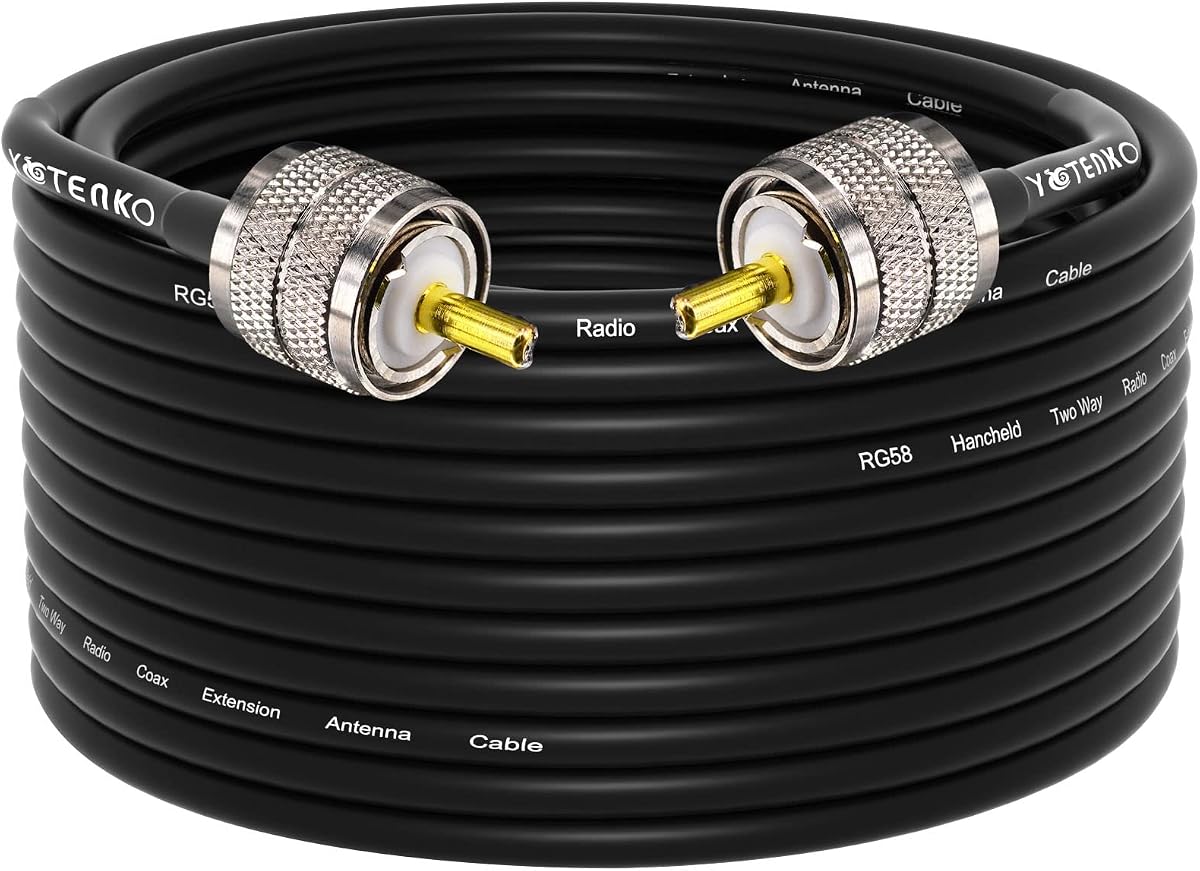

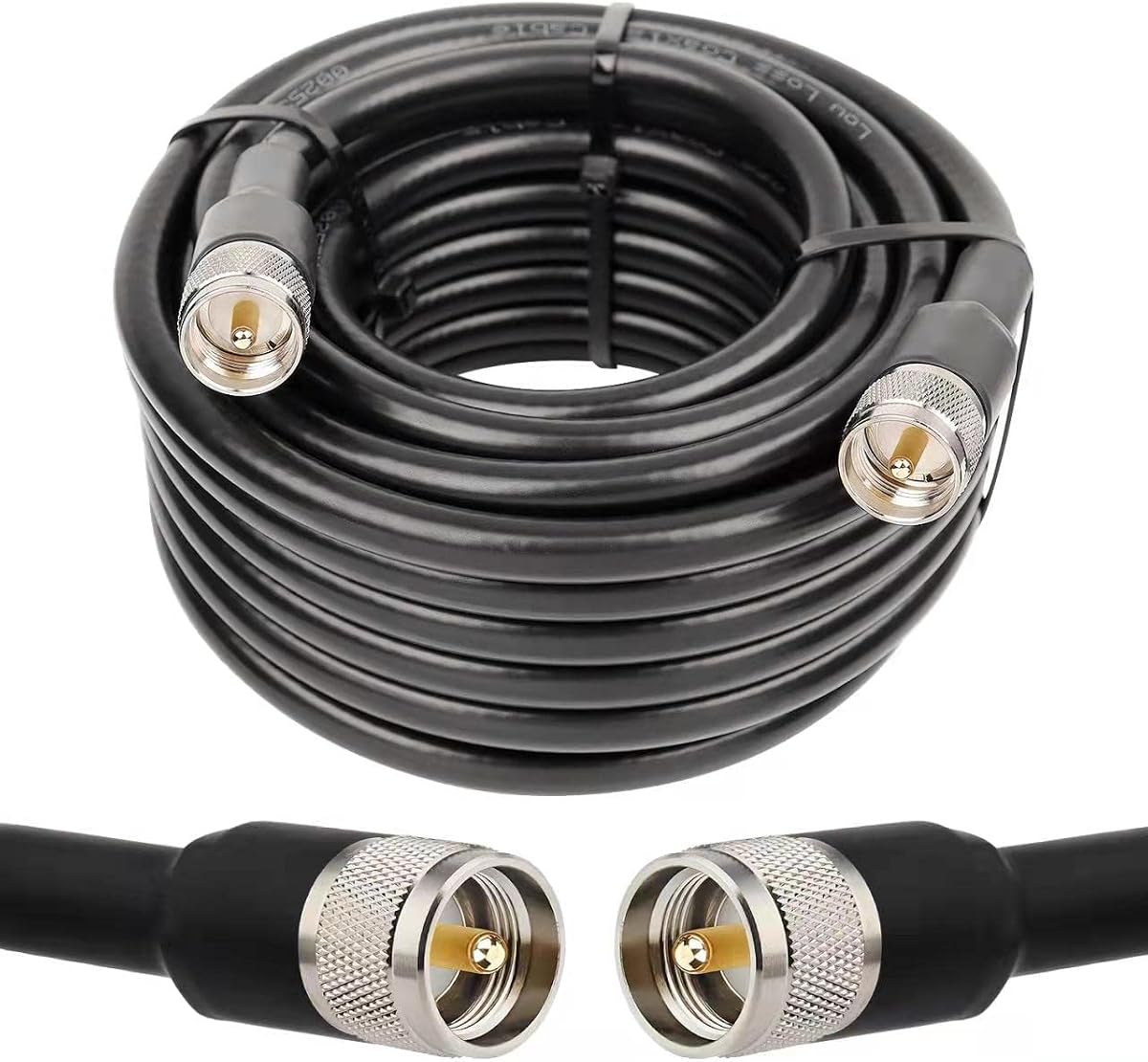

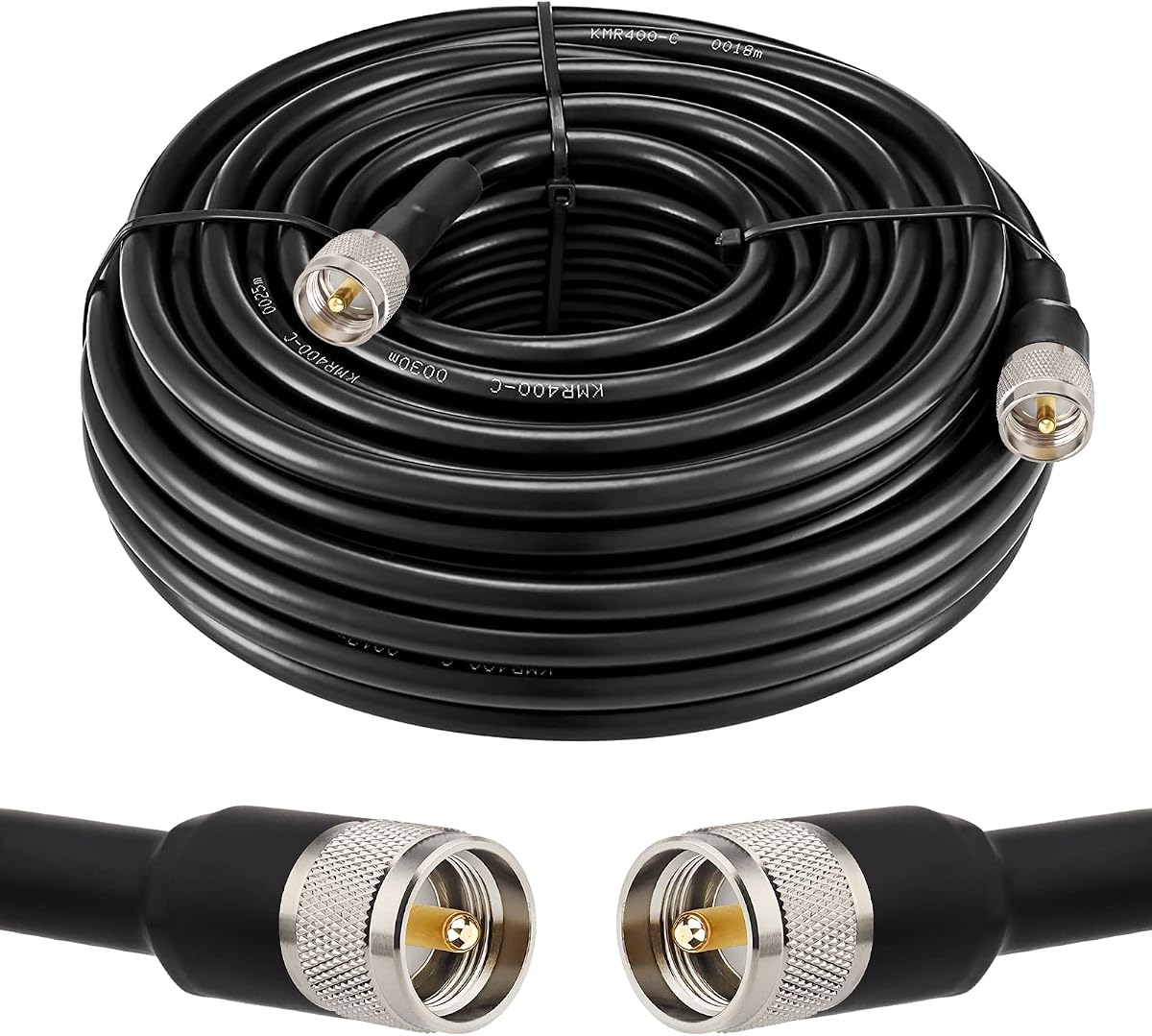
This MOOKEERF KMR400 cable stands out as a top choice for operators seeking reliable low loss transmission over fifty feet. With a rating of 4.7 stars it delivers consistent performance across HF and VHF bands. The double shielding and quality connectors ensure that your signal remains strong even when routed through noisy environments.
We may earn a commission when you buy through this link, at no additional cost to you.
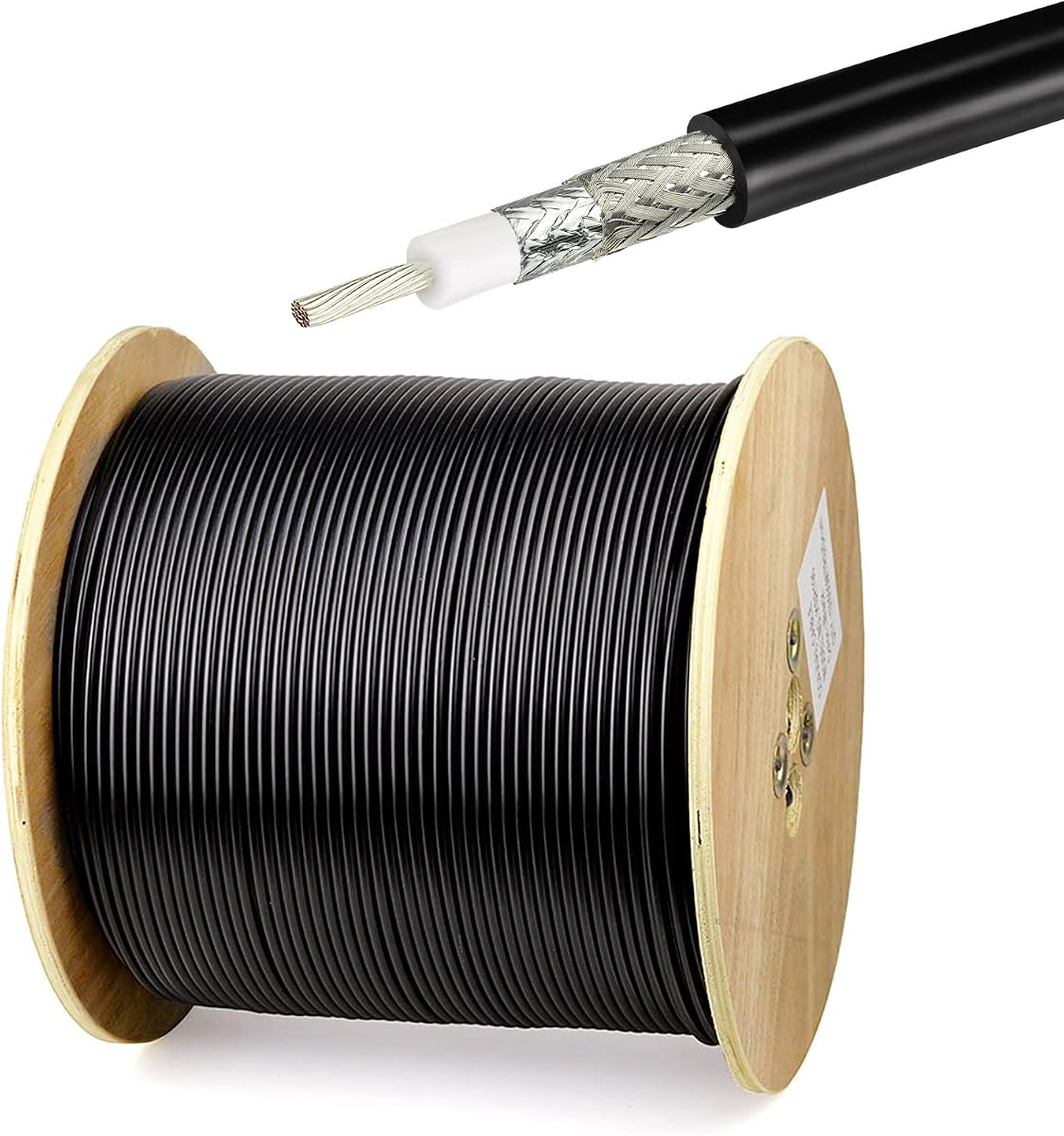
The internal construction features a copper clad aluminum center conductor surrounded by aluminum foil and tinned copper braid. This design maximizes protection against interference while maintaining flexibility for easier routing. The heat shrink tubes are unusually long and filled with adhesive to prevent moisture from entering the connection points.
While the cable performs exceptionally well it is priced higher than standard RG8X options. The thicker diameter may also require slightly more space when routing through tight conduits or vehicle panels. These trade-offs are acceptable for users who prioritize long distance performance and durability in harsh outdoor conditions.
If you need a cable that balances performance and build quality for a permanent base or mobile setup this is an excellent pick. It is particularly well suited for high powered applications where signal loss is a major concern. The robust connectors and weather resistant jacket make it a solid long term investment.
The low loss design ensures minimal attenuation over distance keeping your transmission clear and strong.
The PVC jacket and adhesive connectors protect against moisture and corrosion in outdoor installations.
We may earn a commission when you buy through this link, at no additional cost to you.
This RG8x cable offers an excellent balance of performance and affordability for budget conscious ham radio operators. It features a pure copper inner conductor and double shielding to minimize signal loss and interference. With a rating of 4.6 stars it is a reliable choice for both indoor and outdoor installations.
We may earn a commission when you buy through this link, at no additional cost to you.
The cable is designed with high quality nickel plated brass connectors that provide a secure connection. The thicker 17AWG pure copper core ensures better performance compared to thinner alternatives. Its flexible PVC jacket makes it easy to bend and route without damaging the internal conductors.
While it performs well for most standard applications it may not offer the same durability as premium KMR400 types in extreme weather. The connectors are standard and could benefit from additional sealing in very wet environments. These minor limitations are outweighed by the cost effectiveness and solid performance for general use.
This cable is ideal for hobbyists who want to upgrade from RG58 without spending a fortune. It works well for CB radios SWR meters and general ham antenna setups. If you need a dependable cable for a new installation or replacement this is a top budget recommendation.
Provides a significant step up from RG58 at a very competitive price point.
Double shielding and pure copper core ensure reliable signal transmission.
We may earn a commission when you buy through this link, at no additional cost to you.
This XRDS KMR 400 cable is built for professionals and serious amateurs who need long runs without signal degradation. The 100 foot length offers great flexibility for remote antenna setups. It is rated 4.7 stars for its ultra-low loss performance and rugged build quality.
We may earn a commission when you buy through this link, at no additional cost to you.
The cable uses a copper clad aluminum conductor and a flexible UV proof jacket designed for twenty year outdoor exposure. Instead of crimp connectors it uses a clamp design that is much harder to pull off accidentally. The heat shrink tube is thick and adhesive lined to seal out moisture effectively.
The premium price and stiffer diameter may be overkill for simple short range applications. It is heavier and less flexible than lighter RG8X cables making routing through tight spaces more difficult. However for permanent installations these trade-offs provide peace of mind and long term reliability.
Choose this if you need a long cable that can handle harsh weather and frequent handling without failure. It is perfect for base stations with remote antennas or marine environments. The investment pays off in reduced maintenance and consistent performance over many years.
The KMR400 design ensures minimal signal loss even over 100 feet of cable.
Clamp style connectors prevent accidental disconnections and improve durability.
We may earn a commission when you buy through this link, at no additional cost to you.
STEREN delivers a robust RG8X cable that is well suited for base stations and general ham use. It has a rating of 4.7 stars and is designed to handle a variety of 50 Ohm RF systems. The fully molded PL259 connectors ensure a secure and reliable connection.
We may earn a commission when you buy through this link, at no additional cost to you.
The cable features nickel plated connectors that resist corrosion over time. The PVC jacket is flexible enough for indoor routing but durable enough for outdoor use. It is a significant upgrade from standard RG58 options especially for high powered applications.
While it is a strong performer it lacks some of the heavy duty features of KMR400 types. The connectors are standard crimp types that could be vulnerable if not properly seated. For typical hobby use however these limitations are minor and do not impact performance significantly.
This is a great choice for operators who want a trusted name and solid performance without premium pricing. It works well for antenna tuners switches and meters. If you need a reliable 50 foot cable for your shack this is a dependable option.
Nickel plated connectors resist corrosion and ensure a secure fit.
Flexible enough for indoor use yet tough enough for outdoor setups.
We may earn a commission when you buy through this link, at no additional cost to you.
This G-PLUG 15 foot cable is an excellent choice for short jumper applications and mobile setups. It features a pure copper core and double shielding to maintain signal strength. The 4.5 star rating reflects its solid performance for connecting radios to antennas in tight spaces.
We may earn a commission when you buy through this link, at no additional cost to you.
The cable is designed with gold plated pins and nickel plated brass bodies for corrosion resistance. The PVC jacket is flexible and weather resistant making it suitable for outdoor use on vehicles. It is ideal for connecting transceivers to SWR meters or antennas inside a vehicle.
Since it is only 15 feet long it is not suitable for long antenna runs. The short length limits its use to jumpers or specific indoor applications. However for its intended purpose it offers high quality construction at a very competitive price.
Operators looking for a reliable short cable to connect equipment in a shack or vehicle will find this very useful. The low loss design ensures clean transmission even at higher power levels. It is a practical addition to any ham radio toolkit.
The 15 foot length is ideal for short connections and mobile installs.
Gold and nickel plating on connectors ensures long term reliability.
We may earn a commission when you buy through this link, at no additional cost to you.
This RG58 cable is designed for applications where flexibility and ease of routing are the highest priorities. With a rating of 4.6 stars it is a solid choice for mobile installations and temporary setups. The ultra flexible design makes it easy to pass through tight vehicle conduits.
We may earn a commission when you buy through this link, at no additional cost to you.
The cable features an upgraded 6cm heat shrink tube that protects the connection points from stress. It uses pure bare copper shielding rather than cheaper copper clad aluminum. The thinner diameter helps prevent signal pinching during bends and temporary field days.
While flexible it does have higher signal loss compared to RG8X options especially at higher frequencies. The thinner jacket is less durable against harsh weather and abrasion. These limitations are acceptable if you prioritize routing ease over long distance performance.
This cable is perfect for mobile radio installations or portable field setups. It connects transceivers to SWR meters or antennas where flexibility is needed. If you need a flexible low profile cable this is a reliable and affordable choice.
The thin diameter makes it easy to route through tight spaces.
Extended heat shrink tubing protects against bending and stress.
We may earn a commission when you buy through this link, at no additional cost to you.
This exgoofit RG8X cable provides a cost effective solution for longer antenna runs. The 100 foot length is rare in the budget category and offers great value. It features a 16AWG pure copper inner conductor for better performance than standard cables.
We may earn a commission when you buy through this link, at no additional cost to you.
The double shielding prevents signal leakage and interference effectively. The connectors are nickel plated brass which resists corrosion and oxidation. A two year warranty adds extra confidence in the product longevity and build quality.
The main limitation is that standard connectors may need extra sealing for harsh weather. The thickness of the cable requires more space during installation compared to thinner alternatives. For long runs however the performance and value are hard to beat.
If you need to run a long distance without breaking the bank this is an excellent choice. It is well suited for base stations and remote antennas. The warranty also ensures support if any issues arise during the first two years.
Get 100 feet of RG8X cable at a very competitive price point.
The 16AWG copper core reduces loss and improves signal integrity.
We may earn a commission when you buy through this link, at no additional cost to you.
This RG8 cable from MOOKEERF is built to withstand frequent handling and harsh conditions. The clamp style connectors are much stronger than standard crimp types and prevent accidental pullouts. It has a rating of 4.6 stars for its heavy duty construction and reliable performance.
We may earn a commission when you buy through this link, at no additional cost to you.
The heat shrink tube is 2.2 inches long and filled with adhesive to seal out moisture. The PVC jacket is waterproof and durable enough for outdoor use on vehicles. The low loss design ensures minimal signal degradation even at higher frequencies.
The thicker jacket makes it slightly stiffer and harder to route than thinner cables. The premium price may also be higher than what budget users expect for a jumper. These trade-offs are well worth it for applications where reliability is critical.
This cable is ideal for mobile setups or base stations where connections are frequently made and broken. It offers the durability of a heavy duty cable at a reasonable price. If you need a rugged jumper this is a top choice.
Clamp style connectors provide a secure and durable connection.
Less than 1.5dB loss at 450MHz ensures clear transmission.
We may earn a commission when you buy through this link, at no additional cost to you.
This XRDS RG-316 cable is a miniature coax designed for ultra flexible and low loss applications. It has a 4.8 star rating for its high performance up to 6GHz frequencies. The silver plated copper conductors ensure very low signal loss and high efficiency.
We may earn a commission when you buy through this link, at no additional cost to you.
The cable is only 0.1 inches in diameter making it perfect for tight spaces. The flexible teflon jacket is durable enough for harsh outdoor environments. You can crimp SMA or other connectors on to match your equipment needs.
Because it requires custom connectors it may not be ready to plug and play out of the box. The thin jacket is more delicate than thicker RG options and requires care during routing. For specialized applications the performance is unmatched.
Choose this for VHF UHF and high frequency setups where size and weight matter. It is perfect for interconnections and balun antennas. If you need an ultra thin high performance cable this is a great solution.
Supports up to 6GHz with minimal loss.
The 0.1 inch diameter makes it ideal for tight spaces.
We may earn a commission when you buy through this link, at no additional cost to you.
This Superbat RG8x cable is designed for professional use with consistent low loss performance. The 4.7 star rating reflects its quality and reliability across various 50 Ohm RF systems. It supports multiple connector types making it highly versatile.
We may earn a commission when you buy through this link, at no additional cost to you.
The waterproof PVC jacket ensures durability in outdoor environments. The cable is flexible and can be strapped without inducing signal interference. It is well suited for CB ham radio antenna analyzers and repeaters.
The cable comes in a standard 50 foot length which may not suit all needs. While professional quality it does not have specialized premium features like clamp connectors. For standard use however it is an excellent professional choice.
Operators looking for a reliable RG8x cable with broad connector compatibility will find this ideal. It works well for most antenna and transceiver setups. If you need a professional grade cable this is a solid and dependable option.
Supports SMA BNC and PL259 connectors for versatile use.
Professional manufacturing ensures low loss and high reliability.
We may earn a commission when you buy through this link, at no additional cost to you.
Selecting the right coax cable requires understanding several key factors that influence signal quality and durability.
The type of coaxial cable you choose determines how much signal is lost over distance. RG8X is a common choice for ham radio because it offers lower loss than RG58. KMR400 and similar types offer even better performance for longer runs. Always check the attenuation rating to ensure the cable fits your distance needs.
Choose a cable type that matches your expected transmission distance and frequency range.
The inner conductor material affects both signal quality and flexibility. Pure copper is the best for conductivity but can be stiffer. Copper clad aluminum offers a lighter alternative with good performance. Avoid materials that oxidize quickly as they can increase resistance.
Look for pure copper or high quality copper clad aluminum for the best balance.
Shielding protects your signal from external interference and prevents leakage. Double shielding with foil and braid provides excellent protection in noisy environments. Better shielding ensures your transmission remains clear even near electronics.
Prioritize double or triple shielding for installations near other electronics.
Connectors are often the weakest point in a coax setup. Look for nickel or gold plated connectors to resist corrosion. Ensure the type matches your radio and antenna ports such as PL259. Clamp connectors are more durable than standard crimp versions.
Select connectors that match your equipment and offer good corrosion resistance.
The outer jacket determines how well the cable withstands environmental stress. PVC jackets are durable and weather resistant for outdoor use. Thinner jackets make routing easier but offer less protection. Choose a balance that fits your installation needs.
Choose a jacket that offers weather resistance without being too stiff to route.
Measure the distance from your radio to the antenna before buying. Buying too short forces connections which increase signal loss. Buying too long creates excess slack and potential interference. Plan for a few extra feet to handle routing bends.
Always measure your run and add a margin for routing bends.
Not all cables are optimized for the same frequency ranges. Some work well at HF and others at VHF or UHF. Ensure the cable is rated for the specific bands you use. Mismatched frequency ranges can lead to high SWR and signal loss.
Verify the cable frequency rating matches your operating bands.
Higher quality cables cost more but often last longer. A good warranty can provide peace of mind for your investment. Consider how often you replace cables to balance upfront costs with longevity. A two year warranty is common for mid range options.
Balance your budget with the expected lifespan of the cable.
When installing your coax cable avoid sharp bends that could damage the inner conductors. Keep the cable away from sources of high heat or direct sunlight to prevent jacket degradation. Secure the cable with clips that do not pinch the outer insulation.
For outdoor installations seal the connectors with weather resistant tape to keep moisture out. Check the connections periodically for signs of corrosion or loose fit. A secure connection ensures consistent signal transmission and protects your equipment.
When storing unused cable coil it loosely to prevent kinks and maintain flexibility. Do not wrap it around your elbow as this creates tight bends. Proper care extends the life of your cable and ensures reliable performance.
RG8X is a standard low loss cable suitable for most general ham applications. KMR400 uses a better design with lower attenuation making it ideal for longer runs. If you need a hundred feet or more KMR400 provides significantly less signal loss.
Measure the distance from your radio to the antenna and add a few extra feet for routing bends. Short cables may not reach while long cables add unnecessary loss. Aim for the shortest length that still allows for easy installation.
Most modern transceivers use PL259 connectors or have adapters to accept them. PL259 is the standard connector for ham radio and is highly compatible. Check your manual to see if you need a specific adapter for your model.
RG58 works fine for short connections on HF bands but has higher loss over distance. If your run is under twenty feet RG58 is acceptable for most users. For longer runs upgrade to RG8X for better performance.
Use adhesive lined heat shrink tubes and seal the joints with waterproof tape. Ensure the shrink tubes cover the cable and connector interface completely. This prevents moisture from entering and causing corrosion or signal loss.
SWR stands for Standing Wave Ratio and measures how well your antenna is matched. A poor cable or connector can increase SWR and reduce transmission efficiency. Quality low loss cables help keep your SWR low for better performance.
Yes shielding is critical for mobile setups to block engine and vehicle interference. Look for cables with double shielding to ensure clean signal transmission. Good shielding will improve reception and reduce noise in your transmissions.
Selecting the right coax cable is fundamental to building a successful ham radio setup. The top picks in this guide offer a range of options from budget jumpers to premium long runs. Each model brings unique strengths that can elevate your communication quality.
Prioritize performance factors like attenuation and connector durability to match your specific needs. Avoid the mistake of choosing cheap cables that fail quickly in harsh conditions. Investing in quality ensures that your voice reaches the other side of the world.
Remember to verify current availability and details before making your final decision. This guide aims to provide the clarity you need to make an informed purchase. Happy connecting and clear skies to all fellow radio enthusiasts.