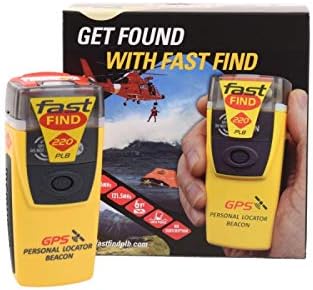
McMurdo FastFind 220 Personal Locator Beacon
4.5Editor score
US country code preprogrammed
Activates in extreme conditions
No subscription required
This guide compares the top locator beacon for hiking the Pct to help you choose the right safety device for your Pacific Crest Trail adventure.
When hiking the Pacific Crest Trail, a reliable locator beacon for hiking the Pct is essential for safety. These devices send SOS signals to rescue teams, ensuring help arrives even in remote areas without cell service.
We compared ten top-rated locator beacons and satellite communicators based on durability, battery life, and coverage. Our analysis focuses on features that matter most for long-distance hikers tackling the Pct's rugged terrain.
Each pick highlights key specs and real-world performance. Prices and availability change frequently, so verify details before purchasing. This guide helps you find the best locator beacon for hiking the Pct to stay safe on your journey.
4.5Editor score

4.8Editor score

4.6Editor score
This side-by-side comparison highlights key features of all ten locator beacons and satellite communicators. Review specifications like battery life, subscription needs, and connectivity options to find the best fit for your Pct hike.


The ACR ResQLink View RLS PLB stands out as the top choice for hikers seeking reliable safety on the Pacific Crest Trail. With a stellar 4.8 rating, this beacon offers critical Return Link Service to confirm SOS signals reach rescue teams. Its robust design ensures it performs in extreme conditions without needing a subscription.
We may earn a commission when you buy through this link, at no additional cost to you.
Key strengths include global coverage via GPS, Galileo, and MEOSAR satellites, guaranteeing accurate positioning anywhere on the trail. The digital display and infrared strobe enhance visibility during emergencies. Weighing just ounces, it attaches easily to packs without adding bulk or strain during long miles.
While it lacks two-way messaging, the one-way SOS functionality is purpose-built for emergencies. The 5-year battery life means minimal maintenance, and the 28+ operational hours provide peace of mind. These trade-offs are acceptable for those prioritizing simplicity and reliability over communication features.
Hikers focused on essential safety will appreciate this beacon's straightforward operation and high reliability. It is ideal for those who want a set-and-forget device that activates only when necessary. For Pct adventurers, it offers a balanced mix of advanced tech and rugged durability.
This feature sends a confirmation message to your device once rescue services receive your distress signal, reducing anxiety during emergencies.
By using multiple satellite constellations, the beacon ensures you stay connected even in remote sections of the Pct where cell service fails.
We may earn a commission when you buy through this link, at no additional cost to you.
The McMurdo FastFind 220 offers an accessible entry point for hikers needing a locator beacon without breaking the bank. Rated 4.5, it delivers essential SOS functionality with US country code programming. While it lacks GPS, its reliability in remote areas makes it a solid budget option for Pct adventurers.
We may earn a commission when you buy through this link, at no additional cost to you.
Its main strength lies in simplicity and cost-effectiveness. Activation requires deploying the antenna and pressing a button, making it intuitive even under stress. The lack of subscription fees ensures long-term affordability, appealing to hikers on tight budgets who still prioritize safety.
Trade-offs include reliance on ground-based rescue coordination for positioning and limited international registration flexibility. These are acceptable for US-based hikers who understand the device's limitations. The beacon's durability ensures it survives drops and weather typical of the Pct.
Budget-conscious hikers should consider this beacon for its no-fuss operation and low total cost of ownership. It pairs well with maps or other gear for navigation. For those seeking core safety features without extras, the FastFind 220 delivers dependable protection.
Unlike satellite communicators, this beacon sends distress signals via free government rescue satellites, eliminating recurring costs for hikers.
The US programming ensures quick registration and contact with American search and rescue teams, streamlining emergency responses.
We may earn a commission when you buy through this link, at no additional cost to you.
The Garmin inReach Mini 2 is a premium satellite communicator that doubles as a locator beacon, offering unmatched versatility for Pct hikers. With a 4.6 rating, it supports two-way messaging and interactive SOS, enabling real-time coordination with rescuers. Its rugged build handles the trail's demands effortlessly.
We may earn a commission when you buy through this link, at no additional cost to you.
Standout features include TracBack routing to retrace steps if lost and a 14-day battery in tracking mode. The digital compass aids navigation even when stationary, syncing with Garmin Explore for detailed maps. These tools transform it from a safety device into a comprehensive adventure companion.
The primary trade-off is the mandatory satellite subscription, adding ongoing costs. However, the ability to send texts and check-ins without Wi-Fi justifies this for many. Weather updates enhance preparedness, though reliance on external plans may deter some users seeking simpler options.
Hikers prioritizing communication and navigation will find this device invaluable. It suits those comfortable with tech and willing to invest in connectivity. For Pct adventurers wanting more than SOS, the inReach Mini 2 delivers premium functionality and peace of mind.
Send and receive texts anywhere on Earth using the Iridium network, keeping loved ones updated and enabling rescue coordination.
This feature automatically records your route and guides you back to the start, ideal for avoiding getting lost in unfamiliar terrain.
We may earn a commission when you buy through this link, at no additional cost to you.
The ACR ResQLink View PLB425 is a robust beacon designed for outdoor enthusiasts needing dependable SOS capabilities. Rated 4.6, it sends GPS coordinates directly to rescue teams without subscriptions. Its buoyant design makes it suitable for water crossings on the Pct, ensuring it stays secure.
We may earn a commission when you buy through this link, at no additional cost to you.
Key benefits include a bright LED and infrared strobe for visual signaling, plus optional SMS test messages for contact verification. The 406 MHz signal ensures global coverage, while attachments like belt clips enhance wearability. These features make it versatile for varied trail conditions.
Limitations include the lack of two-way communication and a slightly bulkier profile. For hikers needing only emergency alerts, these are minor. The device prioritizes reliability and simplicity, which aligns well with the needs of those focused on basic safety gear.
This beacon suits hikers wanting a durable, no-subscription option with GPS precision. It is ideal for solo adventurers or those in wet environments. For Pct trips, the PLB425 offers strong protection without ongoing fees or complex setups.
Its ability to float ensures the beacon remains usable even if dropped in water during stream crossings, preventing loss or damage.
The dual strobe lights provide clear visibility to rescuers at night or in low-light conditions, increasing chances of quick discovery.
We may earn a commission when you buy through this link, at no additional cost to you.
The ZOLEO Satellite Communicator bridges the gap between PLBs and full satellite messengers, offering messaging at a lower cost. Rated 4.4, it uses Iridium for global SMS and SOS alerts. Its smartphone integration makes it user-friendly for those accustomed to mobile apps during Pct hikes.
We may earn a commission when you buy through this link, at no additional cost to you.
Features like unlimited check-ins and 200+ hour battery life ensure consistent connectivity without frequent recharging. Weather forecasts and Medical Assist add value, while IP68 ruggedness protects against dust and water. These aspects cater to hikers needing regular updates from remote zones.
Trade-offs include the need for a service plan and dependency on a paired device for full functionality. For minimalists, this might be a drawback. However, the cost-effective plans and robust design provide balanced value for those willing to carry an extra device.
This communicator suits hikers wanting regular contact with family without high fees. It pairs well with smartphones for navigation and messaging. For Pct trips requiring check-ins and SOS, ZOLEO offers a practical and affordable solution.
Send regular location updates automatically or manually to stay connected with loved ones without worrying about message limits or costs.
Pair with iOS or Android devices to send messages and receive alerts, leveraging existing tech for seamless outdoor communication.
We may earn a commission when you buy through this link, at no additional cost to you.
The Ocean Signal rescueME PLB1 excels in portability, weighing just 4 oz for minimal pack weight. Rated 4.6, it offers one-handed operation, crucial for activating SOS during emergencies. Its waterproof design ensures functionality in rain or stream crossings common on the Pct.
We may earn a commission when you buy through this link, at no additional cost to you.
Highlights include a 66-channel GPS receiver for precise positioning and a high-intensity strobe for visibility. The 7-year battery life reduces maintenance needs, while no subscriptions keep long-term costs low. These traits make it ideal for lightweight hikers prioritizing safety and simplicity.
Limitations involve the lack of communication features beyond SOS. For those needing to send status updates, this may be insufficient. However, for emergency-only use, its compact size and reliability are exceptional. It fits easily into small pockets or packs.
This beacon suits ultralight hikers and those who value ease of use. Its intuitive design allows activation even under stress. For Pct adventurers, the PLB1 provides essential protection without the bulk of larger devices.
Activate the beacon with one hand, which is vital if injured or in situations where you need to use your other hand for support.
At just 4 oz, it adds negligible weight to your gear, appealing to hikers minimizing load for long-distance trails like the Pct.
We may earn a commission when you buy through this link, at no additional cost to you.
The Garmin inReach Mini 2 Bundle expands on the standard model with essential accessories for extended trips. Rated 4.6, it includes cables, adapters, and a portable charger, ensuring you stay powered on long Pct hikes. Its features match the standalone Mini 2, offering two-way messaging and SOS.
We may earn a commission when you buy through this link, at no additional cost to you.
The bundle's value lies in its readiness for use out of the box. TracBack routing, GPS, and weather forecasts enhance navigation and safety. Battery life extends up to 30 days in low-frequency tracking, ideal for multi-week journeys. This makes it a convenient all-in-one option.
Trade-offs include the higher initial investment and required subscription. For hikers already owning accessories, this may be redundant. However, for first-time users, it eliminates the need to source additional gear. The convenience justifies the cost for many.
This bundle suits adventurers seeking a complete package for communication and safety. It simplifies setup and ensures you have necessary tools. For Pct trips, the added accessories provide extra security against power loss or connectivity issues.
Includes chargers and cables to power the device during long trips, removing the stress of finding power sources in remote areas.
Contact a 24/7 rescue coordination center directly, enabling real-time communication and faster response in emergencies.
We may earn a commission when you buy through this link, at no additional cost to you.
The Garmin inReach Mini Renewed offers a more affordable entry into satellite communication, ideal for budget-conscious hikers. Rated 4.2, it retains core features like two-way messaging and SOS. While renewed, it provides tested reliability for Pct use, assuming proper inspection.
We may earn a commission when you buy through this link, at no additional cost to you.
Benefits include map downloads via Garmin Earthmate and weather forecasts for planning. Its compact form fits easily in packs, and interactive SOS ensures coordinated rescue. These features make it a practical choice for those needing messaging without premium prices.
Limitations involve the renewed status and mandatory subscription. Ensure warranty coverage and functionality before use. For many, the savings outweigh these concerns, especially for occasional hikers. It balances cost and performance well for Pct trips.
This model suits hikers wanting essential communication features at a reduced price. It is a smart choice for those comfortable with refurbished tech. For Pct adventures, it provides dependable safety and messaging capabilities.
Access topographical maps directly via the Garmin Earthmate app, enhancing navigation without needing separate GPS devices.
Certified refurbished units offer significant savings while maintaining performance, ideal for hikers seeking cost-effective reliable gear.
We may earn a commission when you buy through this link, at no additional cost to you.
The Motorola Defy Satellite Link transforms your smartphone into a satellite communicator at an affordable rate. Rated 3.7, it supports SMS and SOS globally via Iridium. While simpler than dedicated units, it appeals to hikers wanting connectivity without adding another device.
We may earn a commission when you buy through this link, at no additional cost to you.
Its check-in button sends coordinates or messages quickly, ensuring loved ones know you are safe. Unlimited SOS and flexible plans keep costs low. Compatibility with iOS and Android makes it accessible, and ruggedness handles trail conditions well.
Trade-offs include dependency on a smartphone and fewer advanced navigation tools. Battery drain on the paired device is a consideration. However, for basic messaging and SOS, it delivers value. Its simplicity is ideal for casual hikers.
This device suits those wanting to use existing phones for satellite comms. It reduces gear bulk while providing safety. For Pct trips requiring occasional updates, the Defy Link is a practical and budget-friendly option.
Press a single button to send location updates or messages, streamlining communication without navigating complex menus.
Requires a paired mobile device to function fully, which adds convenience but also dependency on phone battery and connectivity.
We may earn a commission when you buy through this link, at no additional cost to you.
The ACR Bivy Stick combines satellite connectivity with mapping tools for a versatile Pct solution. Rated 3.8, it supports two-way SMS, GPS tracking, and offline maps via the Bivy app. Group messaging enhances teamwork, making it suitable for guided trips or groups.
We may earn a commission when you buy through this link, at no additional cost to you.
Features like dedicated phone numbers and unlimited check-ins simplify communication. Offline maps aid navigation without cell service, while SOS connects to 24/7 monitoring. These features provide comprehensive support for hikers needing more than basic alerts.
Limitations include reliance on the app and mandatory service plans. Setup may be more involved than PLBs. However, the balance of features and flexibility offers good value. It suits tech-savvy hikers prioritizing navigation and communication.
This stick is ideal for those wanting a multi-functional device. It reduces the need for separate GPS units. For Pct trips, it offers reliable tracking and messaging to keep your group connected and safe.
Connect with up to 12 people to share locations and messages, ensuring everyone stays coordinated in remote areas.
Download detailed maps to navigate without signal, reducing reliance on online tools and enhancing self-sufficiency.
We may earn a commission when you buy through this link, at no additional cost to you.
Selecting the right locator beacon depends on your needs, budget, and trip specifics. This guide breaks down key factors to consider before purchasing a device for the Pacific Crest Trail.
Decide between Personal Locator Beacons (PLBs) and satellite communicators. PLBs send one-way SOS only, while communicators enable two-way texting and updates. For Pct hikers wanting regular contact, communicators offer flexibility. For emergency-only use, PLBs suffice.
Consider whether you need two-way messaging for status updates or just emergency signaling. Communicators are pricier and require subscriptions but provide more interaction. PLBs are simpler and cheaper but lack ongoing communication capabilities.
Many devices require active satellite subscriptions for messaging features, adding recurring costs. Check plan flexibility, such as annual or monthly options, to match your trip length. PLBs typically have no subscriptions, reducing long-term expenses.
Factor in subscription fees when calculating total cost. Some plans offer unlimited SOS but charge for messages. For occasional hikers, low-cost plans or PLBs might be more economical than premium communicators with monthly fees.
Long battery life is critical for extended Pct hikes where recharging is difficult. Look for devices offering 10+ days in tracking mode or years of standby. Check if batteries are replaceable or require full unit replacement.
Prioritize models with extended operational hours. Some devices allow power-saving modes. For multi-week trips, ensure the battery supports your entire journey without frequent charging or carrying heavy power banks.
The Pct demands rugged gear that withstands weather and rough handling. Choose devices with IP ratings for water and dust resistance. Buoyancy helps in water crossings, and compact designs reduce pack weight and bulk.
Evaluate physical size and attachment options. A lightweight device with clips or straps is easier to secure. Durability ensures reliability in drops or impacts. For Pct hiking, ruggedness directly impacts device lifespan and safety.
Ensure the device supports global satellite networks like Iridium or COSPAS-SARSAT for consistent coverage. Pct sections are remote, so reliable signal is vital. GPS accuracy enhances rescue efficiency in emergencies.
Check which constellations the device uses for positioning. Multi-network support improves reliability. In areas with poor cell service, satellite connectivity ensures you stay connected. Prioritize models known for consistent signal performance in remote zones.
In emergencies, intuitive operation saves time. Look for one-handed activation and clear displays. Avoid devices with complex menus that confuse users under stress. Practice using the device before your trip.
Simpler interfaces reduce activation errors. Training is essential regardless of device. For Pct hiking, choose a model that feels natural to operate. This minimizes risk when seconds matter during an emergency.
Extra tools like weather forecasts, offline maps, or group messaging add value but increase complexity. Assess if these justify the cost and subscription. For Pct hikers, weather updates can enhance safety and planning.
Consider features like TracBack routing for navigation or check-ins for peace of mind. These enhance convenience but may distract from core safety. Decide what extras you truly need versus what adds unnecessary bulk.
Balance upfront costs with ongoing expenses like subscriptions. PLBs are cheaper initially but lack communication. Communicators cost more but offer versatility. For long-term use, value depends on how often you hike.
Weigh total cost of ownership against trip frequency. If hiking annually, a premium device may pay off. For occasional use, basic models suffice. Set a budget reflecting your safety needs and how much you value connectivity.
Before your hike, register your device with relevant authorities. This ensures rescue teams have your contact details and trip plans. Test the device in a safe environment to confirm functionality. Keep the manual handy for quick reference on features.
Store the beacon in an accessible spot on your pack, such as an external pocket or clipped to a strap. Ensure it is protected from extreme temperatures and physical damage. Regularly check battery levels and replace or recharge as needed during long trips.
In an emergency, activate the SOS button immediately and stay visible. Follow any prompts for location confirmation. Avoid accidental activations by covering buttons when not in use. Periodically review device status and firmware updates to maintain optimal performance.
Personal Locator Beacons (PLBs) do not require subscriptions as they use government satellite networks. Satellite communicators need active plans for messaging. Check device specs carefully to avoid unexpected costs during Pct trips.
A PLB activates a distress signal via 406 MHz satellites that alert global search and rescue centers. GPS coordinates are included. Rescue teams track the signal to locate you. No two-way communication occurs unless it is a communicator.
Yes, all recommended devices work on the Pct due to global satellite coverage. They function where cell service fails. Ensure the model supports Iridium or COSPAS-SARSAT networks for consistent performance in remote trail sections.
Battery life varies from 14 days on communicators to years on PLBs in standby. Check tracking modes which drain faster. For Pct hikes, prioritize models with long operational hours and replaceable batteries for extended safety.
Prices range from budget PLBs to premium communicators. PLBs typically cost less upfront. Communicators include subscription fees. Consider total cost over time. Affordable options exist for those needing basic SOS without extra features.
Most models have IP ratings for water and dust resistance. Some are buoyant for water crossings. Always verify waterproof depth ratings. Proper care ensures functionality in rain or streams, which are common challenges on the Pct.
Some PLBs include built-in GPS for precise coordinates. Others rely on ground triangulation. GPS-enhanced models improve rescue speed. For Pct accuracy, choose a device with integrated GPS to reduce response time in emergencies.
Register online with your country's rescue authority to link your beacon to contact details. Provide trip plans if possible. Update registration annually or after moving. Proper registration ensures faster response and avoids false alert penalties.
The ACR ResQLink View RLS PLB, McMurdo FastFind 220, and Garmin inReach Mini 2 lead as top picks for varying needs. Whether prioritizing budget, reliability, or communication, each device offers essential safety for Pct adventurers.
Focus on features that match your hiking style. Subscriptions matter for communicators, while PLBs suit low-maintenance use. Durability and battery life ensure you stay protected across all Pct sections from desert to alpine zones.
Prices and availability shift frequently, so verify current details before buying. Invest in a beacon that fits your trip and provides peace of mind. With the right device, you can hike the Pct with greater confidence and safety.