
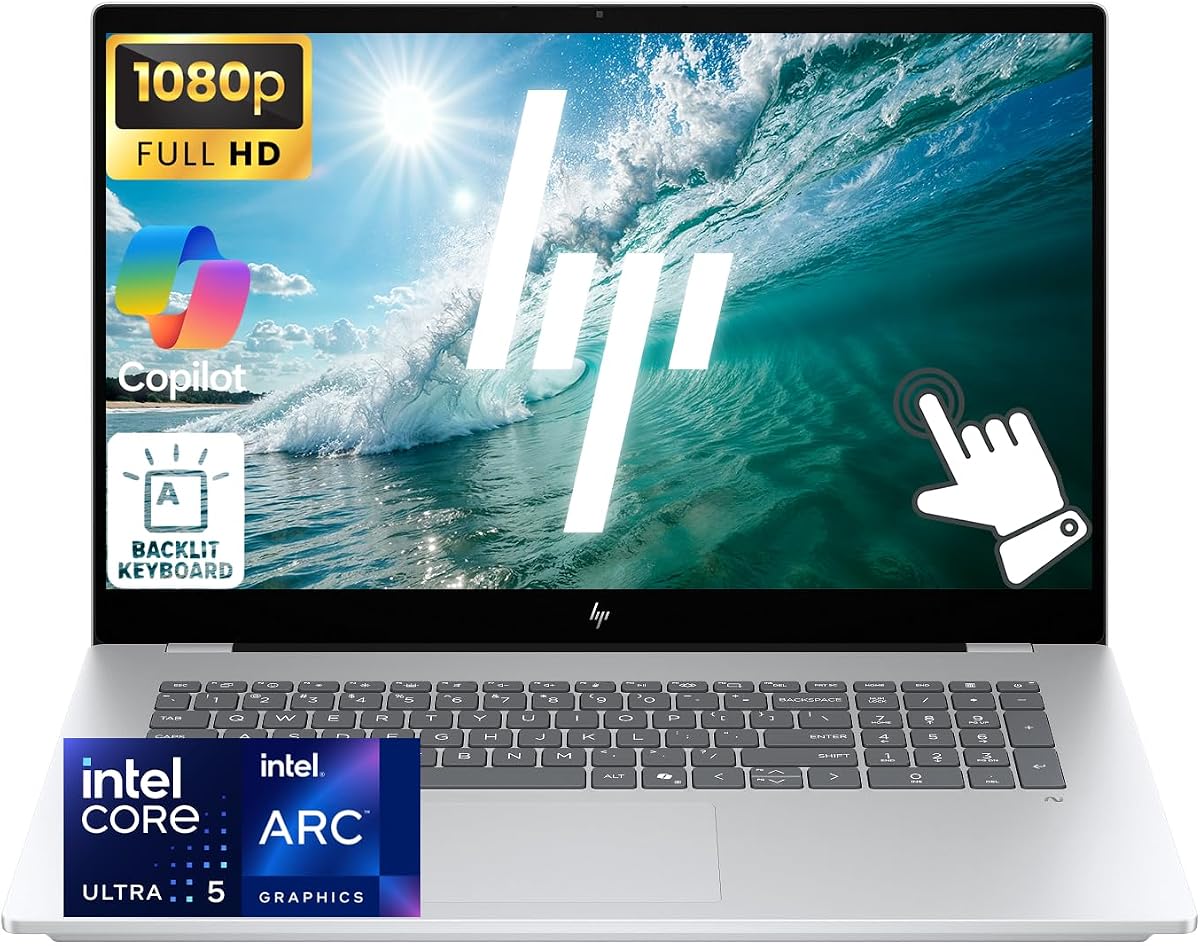
HP OmniBook 7 AI Laptop
4.3Editor score
120Hz OLED touchscreen
100% DCI-P3 color
Thunderbolt 4 support
Discover the 10 best laptops for interior designers in October 2026. We compare performance, display quality, and portability to help you choose the perfect
Interior design requires powerful tools to render 3D models and manage complex projects efficiently. Choosing the right laptop ensures you can work smoothly on demanding software without lag or delays during critical presentation times.
We evaluated top models based on processor speed, graphics capabilities, and screen accuracy. Our list includes workstations and ultrabooks tailored for professionals who need reliability and performance in one portable package for daily use.
Each pick highlights specific strengths like color accuracy or processing power to match your workflow needs. Prices and availability change frequently so verify current details before purchasing to ensure you get the best value for your investment today.
4.3Editor score

4.4Editor score
4.7Editor score
This side-by-side comparison helps you quickly identify the right model for your design needs. We list key specifications like processor type, RAM, and storage so you can compare power and efficiency across all ten options.


This workstation leads our list with top-tier specs designed for heavy rendering tasks. Its high rating reflects reliable performance for architects and designers needing consistent speed.
We may earn a commission when you buy through this link, at no additional cost to you.
The Intel i9 processor handles complex 3D models without slowing down. Paired with 32GB RAM it ensures smooth multitasking across design software and browser tabs.
Trade-offs include the cost and weight but these are acceptable for professional-grade durability. The MIL-STD testing ensures it survives travel to client sites or job sites.
Ideal for professionals who need workstation power in a laptop form factor. It stands out as the best choice for those prioritizing performance above all else.
ISV certifications guarantee compatibility with industry software like AutoCAD and Revit ensuring you do not face crashes during critical design phases.
Connect up to three external monitors via Thunderbolt and HDMI ports for expanded screen real estate when managing complex blueprints or color palettes.
We may earn a commission when you buy through this link, at no additional cost to you.
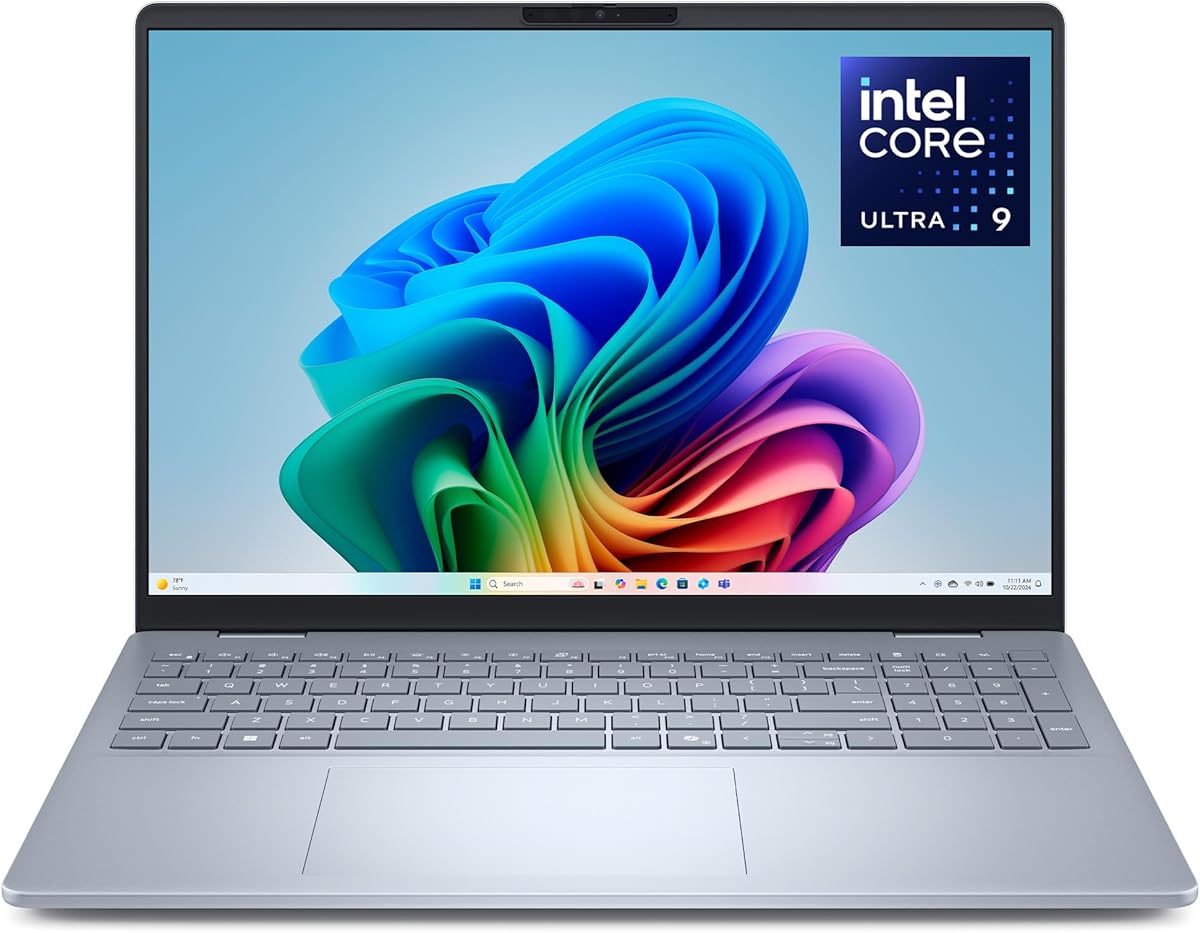
This model brings the latest Intel AI engines to the design workflow for enhanced efficiency. It targets creators who value balance between power and battery life.
We may earn a commission when you buy through this link, at no additional cost to you.
The QHD+ screen offers sharp visuals for detailed interior layout work. Its new processor focuses on efficiency reducing heat and noise during long editing sessions.
While integrated graphics limit heavy 3D rendering it excels at 2D design and planning. The quiet performance makes it great for open office environments.
Choose this if you need a lighter daily driver that handles standard design tasks well. It is a strong step up from basic consumer laptops for professionals.
Built-in AI tools help streamline routine tasks allowing you to focus more on creative decisions and client interactions throughout the day.
We may earn a commission when you buy through this link, at no additional cost to you.
This laptop features a stunning OLED screen perfect for color-critical interior design work. Its high rating highlights excellent visual quality and responsive touch interaction.
We may earn a commission when you buy through this link, at no additional cost to you.
The 100% DCI-P3 color gamut ensures accurate representation of fabric and paint samples. Combined with 32GB RAM it handles multiple design apps with ease.
Touch input allows intuitive sketching or layout adjustments on the fly. The main drawback is potential screen burn-in if static images remain displayed for too long.
Perfect for designers who prioritize visual fidelity and a modern user experience. It bridges the gap between consumer elegance and professional capability beautifully.
The OLED panel provides deep blacks and vivid colors essential for evaluating lighting scenarios and material textures in your digital designs.
We may earn a commission when you buy through this link, at no additional cost to you.
This workstation packs maximum memory and storage for massive project files. It is ideal for engineers and designers who juggle heavy 3D simulations daily.
We may earn a commission when you buy through this link, at no additional cost to you.
With 64GB of RAM you can run rendering software alongside virtual machines without lag. The NVIDIA RTX GPU accelerates graphics tasks significantly.
The large SSD ensures you have room for extensive asset libraries and archives. However the device is heavier than typical laptops due to its robust build.
Select this if you need desktop-level performance in a mobile package. It supports demanding workflows that would slow down standard consumer laptops quickly.
The 64GB RAM allows for extremely heavy multitasking enabling simultaneous use of CAD tools and video editors without performance drops.
We may earn a commission when you buy through this link, at no additional cost to you.
This option offers a balance of performance and cost for design professionals. It includes dedicated graphics which is vital for 3D modeling tasks.
We may earn a commission when you buy through this link, at no additional cost to you.
The RTX 1000 Ada GPU provides reliable acceleration for rendering. Combined with 32GB RAM it handles standard design workflows efficiently without overspending.
It lacks the raw CPU power of the i9 models but remains capable for most daily needs. The build quality ensures longevity in a professional setting.
A solid choice for those needing workstation features without top-tier price. It delivers strong performance for rendering and multitasking needs.
Dedicated graphics ensure smoother interaction with 3D views compared to integrated graphics allowing for real-time visualization of interior spaces.
We may earn a commission when you buy through this link, at no additional cost to you.
This model boosts graphics performance with the RTX 2000 Ada. It is built for users who require robust rendering capabilities for complex projects.
We may earn a commission when you buy through this link, at no additional cost to you.
The 2TB SSD offers ample space for large file sets and backups. Its processor ensures speed when handling multiple design applications simultaneously.
Though user ratings are mixed the hardware remains powerful for professional tasks. Ensure you check warranty details as some units are resealed with upgrades.
Suitable for designers needing specific GPU power for rendering work. It is a strong contender in the workstation market for serious creators.
Advanced graphics hardware accelerates render times allowing you to finalize projects faster and meet tight client deadlines more comfortably.
We may earn a commission when you buy through this link, at no additional cost to you.
This laptop offers a huge screen at a budget-friendly price point for designers. Its high rating reflects user satisfaction with its performance and display size.
We may earn a commission when you buy through this link, at no additional cost to you.
The 17.3 inch display provides ample space for tool palettes and reference images. 16GB RAM is sufficient for standard design work without breaking the bank.
While not a heavy-duty workstation it handles planning and 2D design well. The large screen helps visualize layouts better than smaller portable laptops.
Ideal for students or professionals needing a large display without high costs. It provides excellent value for visual tasks and general productivity work.
The 17 inch screen gives you more canvas to work on reducing the need to scroll frequently while drafting detailed interior plans.
We may earn a commission when you buy through this link, at no additional cost to you.
This model stands out with 64GB of RAM for extreme multitasking needs. It holds a perfect rating from users who need serious power for engineering work.
We may earn a commission when you buy through this link, at no additional cost to you.
With dedicated graphics and large memory it can run multiple virtual environments simultaneously. It ensures stability when working on large scale design projects.
The weight and price are higher but justified for professional reliability. It offers the highest memory configuration available in this comparison list.
Best for professionals who never want to encounter RAM limits. It is a powerhouse for complex rendering and multi-app workflows daily.
High memory capacity ensures your machine stays relevant as design software demands grow ensuring a longer lifespan for your investment.
We may earn a commission when you buy through this link, at no additional cost to you.
This bag is a critical accessory for interior designers traveling to sites. It safely transports your laptop and essential design tools during client visits.
We may earn a commission when you buy through this link, at no additional cost to you.
The padded interior keeps your device secure while wheels reduce strain on your back. Multiple pockets help organize samples, measuring tools, and pens.
While it adds cost it is a vital investment for mobile professionals. The design ensures you look polished while commuting to job sites or meetings.
Perfect for anyone carrying a laptop and samples regularly. It complements your tech setup by making transport safe and professional.
Padding and secure straps ensure your expensive hardware remains protected from bumps and drops during transit to job sites.
We may earn a commission when you buy through this link, at no additional cost to you.
This laptop serves as an entry-level option for students learning design basics. It handles lightweight tasks like drafting or browsing design galleries comfortably.
We may earn a commission when you buy through this link, at no additional cost to you.
The 16GB RAM helps with basic multitasking but the processor limits heavy 3D work. It is a good second machine for students with limited budgets.
External storage helps compensate for the internal drive space limitations. The lightweight build makes it easy to carry between lectures or meetings.
Recommended for students starting out who need basic computing. It is a functional choice for learning tools without heavy rendering needs.
This option provides essential computing features for students or those needing a secondary device without high performance costs.
We may earn a commission when you buy through this link, at no additional cost to you.
Choosing the right laptop involves balancing power, screen quality, and portability to suit your specific design workflow. We explore the key factors to consider before buying.
The processor is the brain of your machine and dictates how fast it can run design software. Look for Intel Core i7 or i9 processors or AMD Ryzen 7 or 9 equivalents to ensure smooth operation with 3D modeling tools.
Prioritize high clock speeds and core counts for efficient handling of complex rendering tasks.
Interior designers often use software that relies on GPU power for rendering visuals. Dedicated graphics cards like NVIDIA RTX provide better performance than integrated graphics for 3D applications.
Ensure the GPU supports your primary software requirements to avoid lag during visualizations.
Random Access Memory determines how many applications you can run simultaneously without slowing down. For professional design work 32GB is recommended to allow smooth multitasking between design programs and web browsers.
Aim for at least 32GB RAM to handle large files and multiple open apps effectively.
Accurate color reproduction is vital for selecting materials and finishes in interior design. Look for screens with high color gamut coverage like 100% sRGB or DCI-P3 for true-to-life visuals.
Choose a screen with at least Full HD resolution to see detailed textures and layouts clearly.
Project files and design assets can take up significant space so ample storage is necessary. NVMe SSDs provide fast read and write speeds which reduce loading times for software and large files.
Look for models with 1TB SSD or more to store your work and applications efficiently.
Designers often connect external monitors or hardware peripherals for better workflows. Ensure your laptop has enough USB and HDMI ports to connect to displays without needing extra hubs.
Prioritize Thunderbolt ports for high-speed data transfer and versatile external display support.
Laptops for professionals should withstand travel between offices and client sites. Look for models with military-grade durability testing to ensure reliability in various environments.
A sturdy chassis protects your investment and ensures longevity in a demanding work setting.
Not all laptops are certified to run professional design software reliably. Check for ISV certifications to guarantee that programs like AutoCAD or Revit work smoothly without glitches.
Select a system explicitly certified for your core design applications to ensure professional stability.
Proper cooling is essential for maintaining performance during long design sessions. Ensure your laptop sits on a flat surface with airflow to vents to prevent overheating during rendering tasks.
Regularly update your drivers especially graphics drivers to optimize performance with the latest design software versions. Check manufacturer websites for firmware updates that improve compatibility and stability.
Use a protective case or sleeve when transporting your device to prevent scratches and internal damage. Keeping the screen clean and free of debris ensures accurate touch functionality and visibility.
For AutoCAD and Revit you need at least a Core i7 or i9 processor with 32GB of RAM to handle large models. A dedicated GPU like RTX helps with 3D rendering and smooth view navigation.
An OLED screen is worth it for color accuracy and contrast which help in evaluating lighting and materials. Just be mindful of static elements to avoid burn-in over long periods of use.
You do not need a MacBook specifically but many designers prefer Macs for their display quality. However Windows laptops offer more flexibility for running specific professional applications like Revit.
Design projects including renders and assets can fill storage quickly so aim for at least 1TB SSD. Using cloud storage or external drives can supplement your local storage for archiving old work.
A resolution of 1920×1080 or higher like 2K or QHD ensures you see fine details in your designs. Higher resolution also provides more screen real estate for tool palettes and layouts.
Chromebooks are generally not suitable for heavy interior design software like Revit or AutoCAD. They lack the necessary operating system compatibility and processing power for complex professional tasks.
ISV certification ensures that your laptop is tested to run professional software reliably without crashing. It is crucial for business continuity when using critical tools like SolidWorks or Revit daily.
Battery life is important if you travel frequently to client sites or work remotely. Aim for at least 6 to 8 hours to get through meetings or site visits without needing a constant power source.
We explored ten top models ranging from powerful workstations to budget-friendly options for various needs. The Dell Precision 7680 stands out for raw power while HP OmniBook offers superior visuals for design.
When choosing prioritize specs like RAM and GPU that match your specific software requirements. Ensure you have a display with high color accuracy to make confident decisions on materials and finishes.
Prices and availability fluctuate so always check current listings before making a final purchase decision. Investing in the right tool ensures your creativity remains unhindered by technical limitations.