
HP 17 Inch FHD Laptop Computer for Business & Students 16GB RAM 1TB SSD
4.6Editor score
AMD Ryzen 5 processor
16GB DDR4 RAM
1TB SSD storage
Choosing the right laptop is a critical decision for engineering students who rely on powerful software for design, coding, and simulation tasks daily throughout their academic journey.
We compared ten models based on processor speed, memory capacity, storage options, display clarity, and portability to ensure each pick meets the rigorous demands of modern engineering coursework.
Each selection highlights key strengths and trade-offs so you can make an informed choice, but remember that availability and pricing can change frequently on retailer platforms.
4.6Editor score

4.5Editor score

4.3Editor score
As an Amazon Associate we earn from qualifying purchases.
This table provides a side-by-side overview of specifications for all ten reviewed laptops, helping you quickly compare processors, memory, storage, and display sizes to find the best match for your needs.


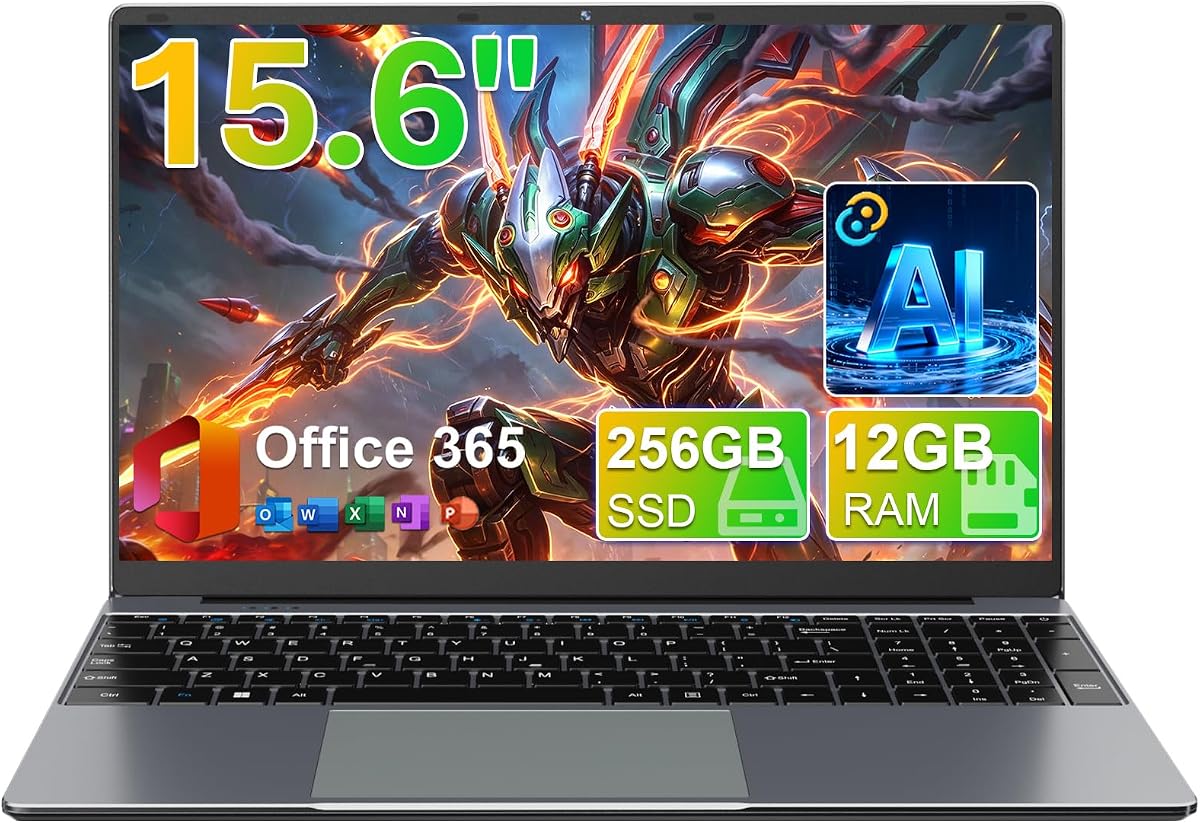


This laptop balances performance and cost effectively, earning a high rating for students needing a reliable daily driver. It handles office software and coding environments smoothly without breaking the bank.
We may earn a commission when you buy through this link, at no additional cost to you.
The 12GB RAM stands out significantly, allowing you to keep multiple browsers and engineering applications open simultaneously. The 15.6 inch display offers a good workspace for CAD drawings or reading dense textbooks.
While the graphics are integrated and not suited for heavy 3D rendering, the processor handles general engineering tasks well. The 256GB SSD fills up quickly, so external storage might be necessary.
For students focused on software or general coursework, this is a top recommendation. Its portability and battery life support all-day campus use without needing constant outlet access.
The 12GB RAM ensures you can switch between IDEs, browsers, and communication tools without lag, which is essential during study sessions.
With WiFi 6 and multiple USB ports, you can connect external monitors or peripherals easily for a better workstation setup.
We may earn a commission when you buy through this link, at no additional cost to you.
This HP model is designed for students prioritizing document work and data storage over heavy processing power. It offers a surprising amount of RAM for its price point, supporting smooth multitasking for administrative tasks.
We may earn a commission when you buy through this link, at no additional cost to you.
The inclusion of a 1TB docking station provides ample space for large project files or media libraries. This makes it easy to manage course materials without worrying about running out of space quickly.
However, the Celeron processor limits heavy computational work, and the HD display is less sharp than Full HD options. It is best suited for writing papers rather than running complex simulations.
If your coursework relies heavily on Word and Excel, this laptop provides excellent utility. The added storage and RAM make it a practical choice for organizing complex academic projects.
The 1TB storage solution ensures you can keep all your historical data and current projects accessible without external drives.
Having Office 365 pre-installed saves money and ensures you have the necessary tools ready for assignments from day one.
We may earn a commission when you buy through this link, at no additional cost to you.
This laptop emphasizes mobility and battery longevity, making it suitable for students moving between classes frequently. The battery life allows for full-day use without needing a charger in your bag.
We may earn a commission when you buy through this link, at no additional cost to you.
The Intel N150 processor provides sufficient speed for web-based learning and document editing. It is not designed for heavy rendering, but it handles daily tasks with a smooth interface.
Storage is limited to 128GB, which may require cloud solutions for file management. However, the inclusion of Office 365 and AI tools adds significant value for productivity students.
For students who prioritize weight and battery over raw power, this is a strong option. It ensures you stay productive during long study sessions away from power sources.
The 11-hour battery life supports students attending back-to-back lectures or working in libraries without hunting for outlets.
Copilot integration helps with drafting emails and content, streamlining routine administrative tasks associated with your studies.
We may earn a commission when you buy through this link, at no additional cost to you.
This model is an entry-level device tailored for users who need basic computing capabilities. It focuses on speed in connectivity and portability, making it easy to carry around campus.
We may earn a commission when you buy through this link, at no additional cost to you.
The LPDDR5 RAM improves responsiveness compared to older standards, though 4GB is on the lower side for multitasking. It is best suited for students working mostly on single applications at a time.
With AI noise reduction and good camera quality, online classes are handled comfortably. The lightweight design ensures minimal strain on your back during daily commutes.
If your primary needs are web browsing and note-taking, this laptop delivers on value. It is an efficient tool for managing academic schedules without unnecessary bulk.
The LPDDR5 technology provides quicker data access, making system navigation feel snappier despite the lower RAM capacity.
AI noise reduction filters background distractions, ensuring your video calls are clear during group study sessions or lectures.
We may earn a commission when you buy through this link, at no additional cost to you.
This laptop offers a spacious display and substantial memory for its price range, appealing to students who need screen real estate. The 180-degree hinge is useful for presentations or collaborative work.
We may earn a commission when you buy through this link, at no additional cost to you.
The IPS panel delivers better color accuracy than standard screens, beneficial for reading diagrams or charts. Combined with 12GB RAM, it supports decent multitasking for general engineering courses.
Performance is limited by the Celeron processor, making it less ideal for heavy processing tasks. However, the battery capacity provides reliable endurance for daily classes.
For those prioritizing screen size and multitasking ability, this is a solid choice. It balances visual quality with functional memory for managing multiple applications.
The 180-degree open angle allows flexible viewing, making it easy to share screens with peers in study groups.
A large battery ensures you can work through long study sessions or commutes without worrying about charging.
We may earn a commission when you buy through this link, at no additional cost to you.
This model targets students who need a professional aesthetic and smart features. The dedicated Copilot key simplifies access to AI tools for content creation and workflow management.
We may earn a commission when you buy through this link, at no additional cost to you.
The 14-inch micro-edge display maximizes screen space in a portable chassis. It offers clear visuals for document work and spreadsheets with reduced bezel distractions.
While the RAM and storage are limited, the SSD speed ensures quick boot times. It is efficient for users who rely on cloud storage and web applications.
If you value portability and modern AI features, this laptop fits well. It streamlines administrative tasks and keeps your workspace organized and efficient.
The dedicated Copilot key offers instant access to intelligent assistance, speeding up research and drafting tasks significantly.
Comprehensive ports allow easy connection to projectors or monitors, facilitating smooth presentations and external display setups.
We may earn a commission when you buy through this link, at no additional cost to you.
This laptop provides a unique storage solution that appeals to users managing large amounts of data. The combination of internal and external storage offers flexibility for archiving academic projects.
We may earn a commission when you buy through this link, at no additional cost to you.
The Intel N200 processor is efficient for standard computing tasks. While not a powerhouse, it handles spreadsheets and documents smoothly for daily use.
With a privacy shutter and numeric keypad, it is practical for data entry and secure video calls. The 640GB total space prevents running out of room quickly.
For students needing robust storage without upgrading hardware later, this is effective. It simplifies file management and keeps essential files accessible at all times.
The hybrid storage setup allows you to keep essential files fast on SSD while archiving larger datasets externally.
The camera privacy shutter ensures digital security during online classes or personal communication sessions.
We may earn a commission when you buy through this link, at no additional cost to you.
This configuration is designed for modern students who value seamless connectivity. The Wi-Fi 6 support ensures fast internet speeds in crowded campus networks.
We may earn a commission when you buy through this link, at no additional cost to you.
The Intel N150 processor handles routine tasks efficiently. While storage is modest, the fast UFS technology keeps system performance snappy for daily use.
With high-quality speakers and microphones, virtual meetings are clear and professional. It reduces background noise for better communication during remote learning.
For students heavily involved in online collaboration, this model serves well. It supports smooth communication and quick data transfers across devices.
Wi-Fi 6 ensures rapid data transfers and stable connections, ideal for downloading large engineering software updates.
High-quality speakers and mics facilitate professional-quality calls, making group meetings productive and clear.
We may earn a commission when you buy through this link, at no additional cost to you.
This Dell model offers a significant performance step up with its Core i5 processor. It is suitable for engineering tasks requiring more computational power than entry-level chips.
We may earn a commission when you buy through this link, at no additional cost to you.
The display includes ComfortView to reduce blue light, aiding long study hours. Express Charge technology allows quick battery top-ups between classes or library sessions.
Dell Services provide onsite support, ensuring minimal downtime if hardware issues arise. The ergonomic design reduces wrist strain during extended typing sessions.
For students willing to invest in reliability and power, this is a premium choice. It balances performance with comfort features essential for rigorous coursework.
Dell ComfortView filters harmful blue light, reducing eye strain during long coding or design sessions.
Express Charge allows you to regain significant battery power quickly, ensuring readiness for the next class.
We may earn a commission when you buy through this link, at no additional cost to you.
This laptop delivers high performance and a large display, making it a workstation-class device. The 17.3-inch screen provides ample space for complex CAD or data analysis.
We may earn a commission when you buy through this link, at no additional cost to you.
The AMD Ryzen 5 processor is powerful enough for multitasking engineering applications. With 16GB RAM and a 1TB SSD, it handles heavy workloads efficiently without slowdown.
Windows 11 Pro adds security and management features beneficial for professional use. However, the size makes it less portable for daily commuting compared to smaller models.
For students who need a desktop replacement with top-tier specs, this is ideal. It offers the power and visual real estate required for demanding engineering tasks.
The Ryzen 5 processor ensures smooth operation of resource-intensive engineering applications and simulations.
The 17.3-inch display allows multiple windows side-by-side, maximizing productivity for complex project work.
We may earn a commission when you buy through this link, at no additional cost to you.
Selecting the right laptop requires balancing performance, portability, and budget to suit your specific engineering discipline and daily needs.
The CPU is the engine of your laptop and determines how well it handles CAD, coding, and simulations. Look for at least an Intel Core i5 or AMD Ryzen 5 to ensure your machine can manage engineering software smoothly.
Prioritize processors with multiple cores and high clock speeds to prevent bottlenecks during heavy computational tasks.
RAM allows your system to run multiple applications simultaneously without lag. Engineering students generally need at least 8GB, but 16GB is recommended for smoother multitasking with large design files.
Storage should be an SSD for fast boot times and file access. A capacity of 512GB or more ensures you have room for software and project archives.
A high-resolution screen is essential for viewing detailed diagrams and blueprints. Full HD (1920×1080) is the minimum standard, with IPS panels preferred for better color accuracy and viewing angles.
Larger screens like 15.6 inches or more provide a better workspace for multitasking, though they reduce portability.
Engineering students often carry laptops between classes and libraries. Aim for a device under 4 pounds if you plan to transport it daily to reduce physical strain.
Consider the dimensions and build quality to ensure it fits comfortably in your backpack without adding excessive weight.
Long battery life supports full days of classes without needing constant outlet access. Look for machines promising at least 8 hours of real-world usage to stay productive.
Fast charging technology is a bonus that lets you quickly recharge during short breaks between lectures.
Engineering laptops need ports to connect to external monitors, projectors, and peripherals. Ensure the device has sufficient USB ports, including USB-C for modern peripherals.
Wi-Fi 6 support guarantees fast and stable internet connections even in crowded campus environments.
Most engineering software runs on Windows, so ensure your chosen device supports the latest version. Linux options are also viable for coding-focused students but require more setup.
Windows 11 provides robust security features and AI tools that can enhance your workflow and productivity.
While powerful machines are tempting, balance your needs with your financial constraints. Entry-level models may suffice for general coursework, but advanced majors require higher-end hardware.
Investing in key specs like RAM and SSD often yields longer longevity and better value over the four years of study.
Maintain your laptop by keeping it on hard surfaces to prevent overheating and ensuring air vents remain clear. Dust buildup can damage internal components, so clean vents periodically with compressed air to ensure efficient cooling.
Protect your hardware by investing in a sturdy laptop bag that offers padding against drops and bumps. Avoid exposing the device to extreme temperatures or direct sunlight to preserve battery health and screen integrity over time.
Optimize software by regularly clearing cache and closing unused applications to keep performance high. Update drivers and operating system software frequently to ensure compatibility with new engineering tools and security patches.
Not always, but it helps with 3D modeling and rendering. If your major requires heavy CAD work like AutoCAD or Revit, a dedicated GPU is recommended. For general coding and data analysis, integrated graphics are usually sufficient.
A 15.6 inch screen or larger is ideal for CAD work as it provides enough space for toolbars and drawings. A 14-inch screen can work if you use an external monitor, but a larger built-in display reduces eye strain during long sessions.
16GB is the recommended sweet spot for engineering students to handle multitasking with design software and browsers. 8GB may work for basic tasks but can struggle with larger projects or multiple open applications simultaneously.
MacBooks are great for design and coding, but many engineering software tools are Windows-exclusive. Check your program requirements before buying. Some users run Windows via virtualization, but this adds complexity.
512GB SSD is a minimum, but 1TB provides comfort for storing large datasets and project files. Using external drives or cloud storage can extend capacity if your internal storage is smaller.
Yes, modern software updates and cloud collaboration require fast internet. Wi-Fi 6 ensures stable connections in dorms or lecture halls. Slow internet can hinder downloading large files or participating in live virtual meetings effectively.
It depends on your daily routine. If you travel between classes constantly, a lighter laptop helps. If you work in a single location, a heavier workstation provides better performance. A balance of around 4 pounds is a good compromise.
Look for at least 8 hours of mixed-use battery life. Real-world performance often varies based on workload. Fast charging support is valuable if you forget your charger or have short breaks between classes.
We reviewed ten laptops ranging from budget-friendly options to powerful workstations suitable for demanding engineering coursework. Each model was evaluated for performance, display quality, and battery endurance to help you find the right fit.
Prioritize RAM and processor power if you plan to use 3D modeling software, but balance these with portability if you carry your device daily. The right tool can significantly impact your academic success and workflow efficiency.
Remember to verify current availability and compatibility with your specific software requirements before purchasing. Prices and stock change frequently, so act promptly when you find a model that meets your technical and financial needs.