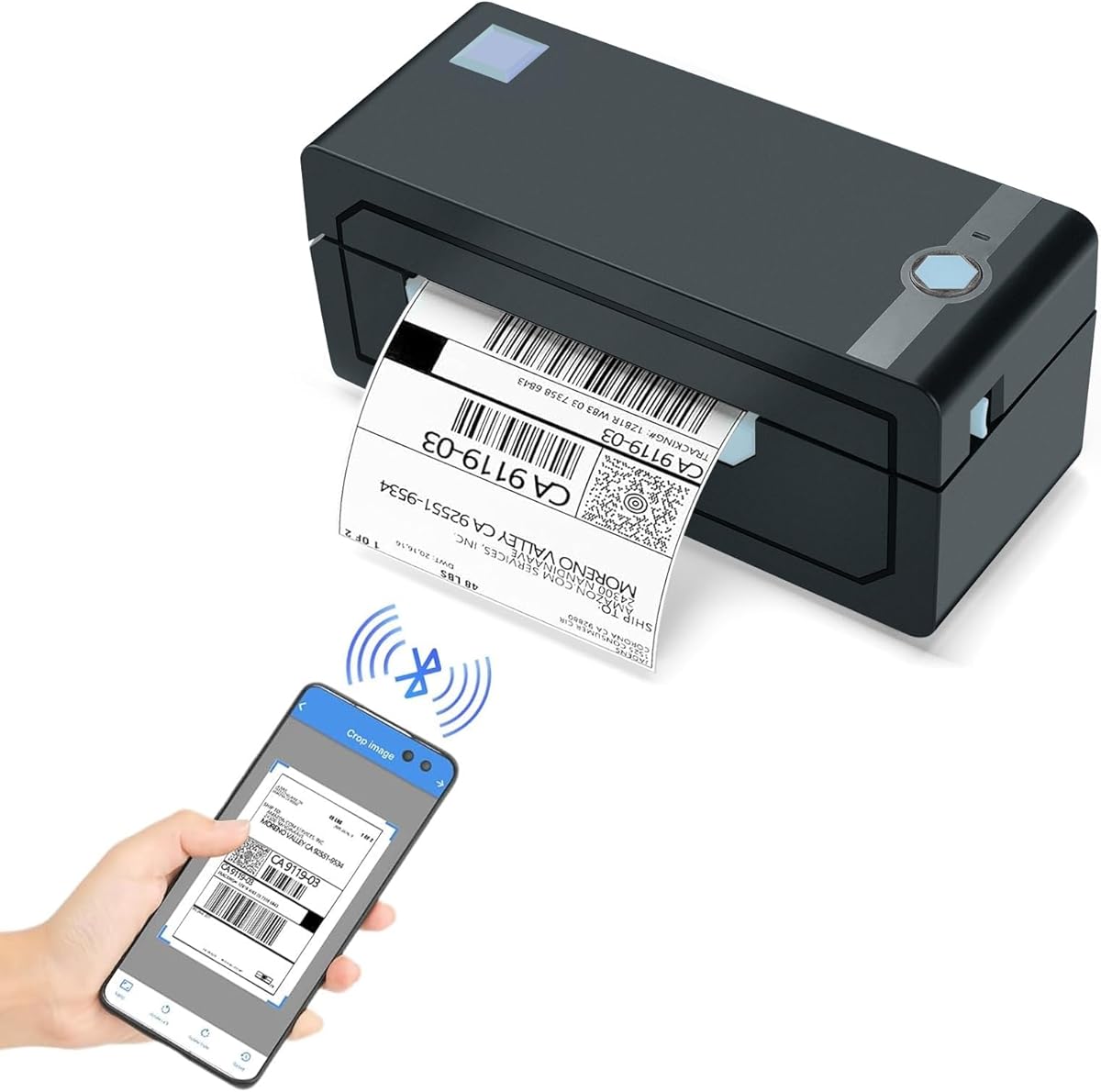
JADENS Bluetooth Thermal Shipping Label Printer
4.4Editor score
USB connection for Linux systems
203 DPI high quality print
Wide label size compatibility
Finding a reliable label printer for Linux requires careful consideration of driver support and connectivity options. Many commercial devices lack native open source compatibility creating frustration for system administrators and small business owners who rely on custom workflows.
We evaluated ten top rated models based on their ability to integrate with Ubuntu and other distributions. Our analysis focuses on USB connectivity open source drivers and thermal technology that ensures consistent output without costly ink supplies.
Each pick highlights specific strengths for Linux environments from plug and play setup to specialized shipping software support. Note that product availability and pricing may fluctuate so verify current details before making your final purchase decision.
4.4Editor score

4.0Editor score
4.6Editor score
As an Amazon Associate we earn from qualifying purchases.
The following table provides a side by side comparison of all ten reviewed models highlighting key technical specifications and connectivity features relevant to Linux users.


The iDPRT SP310 stands out as the most Linux friendly option in our roundup with dedicated drivers explicitly listed for open source systems. This professional desktop thermal printer offers reliable performance for small businesses needing consistent barcode and address labels without proprietary roll restrictions.
We may earn a commission when you buy through this link, at no additional cost to you.
Its high-speed performance delivers up to four inches per second which is fifty percent faster than many common label printers. The intelligent label calibration ensures accurate alignment preventing skipped prints and the open system bypasses microchip limitations to reduce operating costs significantly.
While the label width range is narrower than some competitors the 1 to 3.35 inch span covers most shipping and inventory needs. The design software is free but currently available for Windows and macOS so Linux users may need to rely on system printing dialogs for custom layouts.
Linux administrators and home office users who prioritize open system flexibility and reliable USB connectivity should choose this model. It offers the best balance of speed support and cost efficiency for those working within a Linux environment.
The unlocked design allows use of third party label rolls avoiding expensive proprietary microchips that drive up long term operating costs.
Built-in smart sensors detect label size and gap boundaries automatically ensuring crisp scannable codes for inventory tracking and shipping.
We may earn a commission when you buy through this link, at no additional cost to you.
The JADENS Bluetooth Thermal Shipping Label Printer offers an affordable entry point for Linux users needing reliable 4×6 shipping labels. While it emphasizes wireless printing its USB connection works with Windows and Mac systems and can often be adapted for Linux with generic drivers.
We may earn a commission when you buy through this link, at no additional cost to you.
Equipped with a Japanese high tech thermal print head it delivers 203 DPI quality that ensures clear visible labels for scanning. The printer supports both fanfold and roll labels providing flexibility for different workspace setups and shipping volume requirements.
Linux users may need to identify the correct driver via USB settings since specific Linux drivers are not explicitly highlighted but the plug and play nature simplifies this process. The one minute setup and included instructional resources help minimize initial configuration time.
Small business owners looking for a cost effective solution that handles major shipping platforms like Amazon and Shopify should consider this model. Its combination of price and performance makes it a top budget choice for those who can manage the driver setup.
Bluetooth support allows wireless printing from computers though mobile devices require the dedicated app for iOS and Android systems.
Works with Endicia ShipStation and eBay platforms ensuring seamless integration with popular e-commerce and logistics tools.
We may earn a commission when you buy through this link, at no additional cost to you.
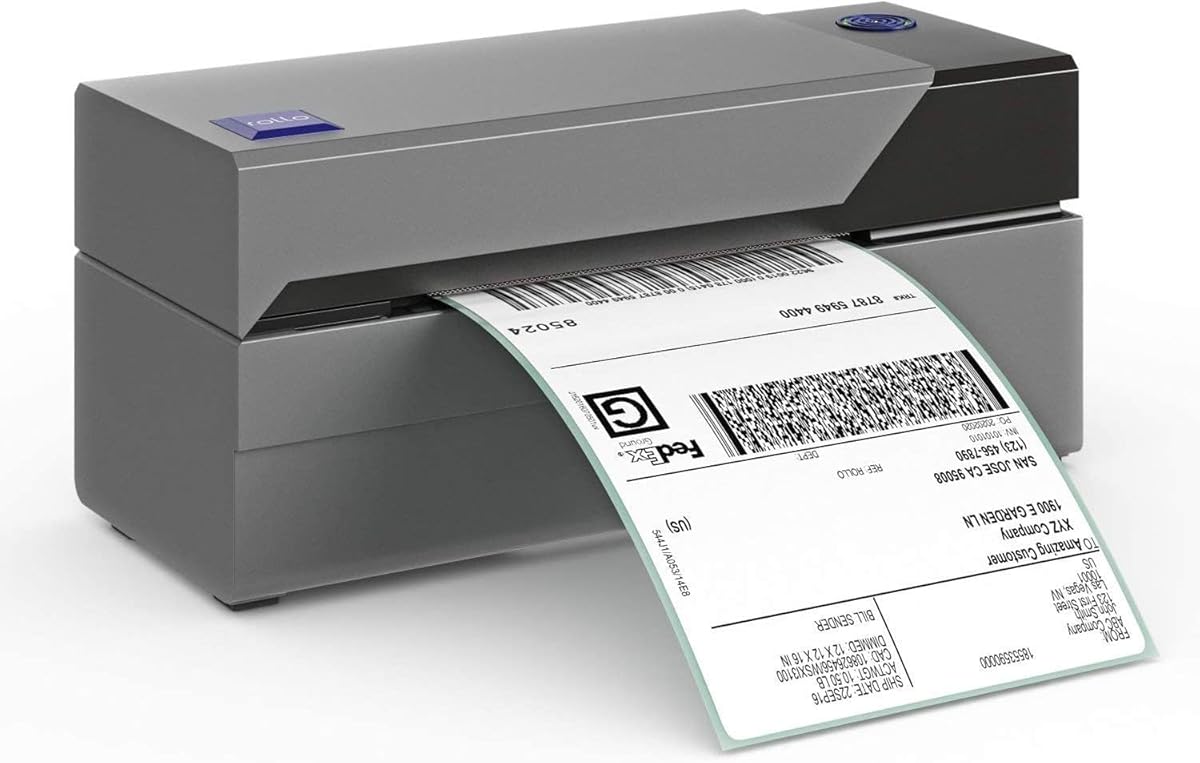
The Rollo USB Shipping Label Printer is a commercial grade workhorse designed for high volume shipping environments. Its robust build quality and fast print speeds make it ideal for businesses that need consistent reliable performance day after day.
We may earn a commission when you buy through this link, at no additional cost to you.
Printing at 150mm per second it outputs one 4×6 label per second with crystal clear visibility due to its 203 DPI print head. The printer supports virtually all major shipping platforms and includes a complimentary shipping app that provides cost saving rates.
Linux users may face driver challenges as explicit open source support is not listed but the standard USB connection allows for generic CUPS configuration in many cases. The high savings from avoiding ink and toner offset the initial investment over time.
Companies needing a durable fast printer for heavy duty shipping should invest in this premium model. While Linux setup may require some technical effort the performance and reliability justify the cost for serious e-commerce operations.
Beyond shipping labels it functions as a custom label maker for barcodes product tags and thank you stickers with wide width range.
Compatible with FedEx UPS and USPS plus marketplaces like Shopify and Etsy streamlining the entire order fulfillment process.
We may earn a commission when you buy through this link, at no additional cost to you.
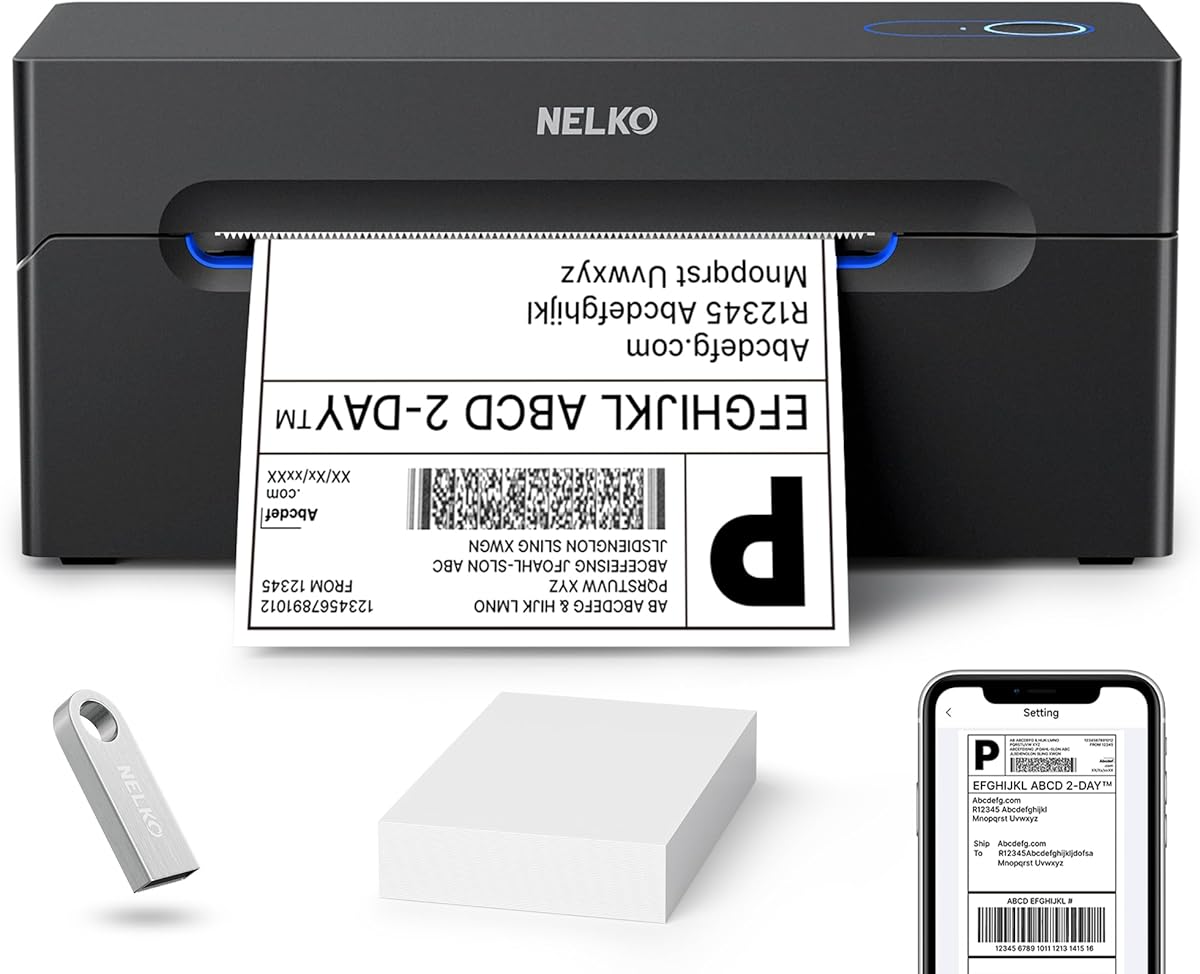
The Nelko Bluetooth Thermal Shipping Label Printer combines compact design with solid performance for small offices and home businesses. Its USB connection supports Chrome OS and Windows which suggests potential adaptability for Linux systems through standard printer protocols.
We may earn a commission when you buy through this link, at no additional cost to you.
With a print speed of 150mm per second it produces up to seventy two 4×6 labels per minute ensuring efficiency during peak shipping times. The advanced thermal technology eliminates the need for ink or toner keeping ongoing costs low and operation clean.
Linux users should connect via USB and install drivers from the included U-Disk or online resources. The app workflow on mobile devices requires saving logistics labels as PDFs before uploading adding a step but ensuring cross platform flexibility.
Those needing a space saving solution that handles high volume labeling should consider this printer. Its small footprint and efficient performance make it suitable for studios and corners where desk space is limited.
Much smaller than traditional printers it requires minimal desk space making it ideal for cramped work areas or home offices.
Instruction videos and drivers on a U-Disk simplify setup reducing the time needed to start printing labels quickly.
We may earn a commission when you buy through this link, at no additional cost to you.
The Brother P-touch CUBE Plus offers a unique portable approach to labeling with Bluetooth connectivity for mobile devices. While not a thermal shipping printer it excels at creating custom labels for home organization office files and crafting projects.
We may earn a commission when you buy through this link, at no additional cost to you.
Its flexible software compatibility allows access to multiple applications with various fonts frames and symbols for creative label design. The included starter tapes provide immediate usability and the Li-ion battery ensures operation without constant power access.
Linux users can connect via USB cable though Bluetooth functionality focuses on mobile devices. The narrow one inch width limits its use for shipping but makes it perfect for file folders cable tags and product information labels.
Individuals and small businesses needing versatile creative labeling should choose this model. It is an excellent supplement to a shipping printer for those requiring customized branding and organizational labels.
Pre-designed templates and customization tools help labels stand out for retail stores or home decor projects.
Supports a wide range of TZe tapes including glitter and matte finishes for diverse aesthetic needs.
We may earn a commission when you buy through this link, at no additional cost to you.
The Brother QL-700 delivers ultra-fast printing at up to ninety three labels per minute making it suitable for high volume environments. It creates cost-effective paper labels for various uses from packages to banners with rounded-corner pre-sized options.
We may earn a commission when you buy through this link, at no additional cost to you.
Continuous length paper support allows for printing signs up to three feet long while the drop-in roll design simplifies media changes. The auto cutter ensures precise cuts whether printing single or multiple labels at a time.
Linux compatibility depends on available drivers which may require manual configuration. The lack of ink or toner needs keeps maintenance simple and operational costs predictable for daily office workflows.
Businesses requiring rapid label production for mailing or inventory should consider this model. Its speed and convenience features make it a strong candidate for busy desktop setups.
Capable of printing postage directly from your desk for packages and envelopes streamlining the shipping process.
Handles discs banners and standard package labels providing versatility for diverse organizational needs.
We may earn a commission when you buy through this link, at no additional cost to you.
The Brother QL-570 is designed for professional applications requiring high resolution labels. Its 300 x 600 dpi resolution ensures sharp and detailed text and imagery which is essential for branding and clear labeling.
We may earn a commission when you buy through this link, at no additional cost to you.
Printing at speeds up to sixty eight labels per minute it balances speed with quality. The included P-Touch Label Creation software enables customized label designs and the two-year limited warranty provides long-term reliability assurance.
Linux users may need to explore third-party drivers or use generic printing interfaces for this model. The focus on professional output makes it suitable for environments where label clarity is critical.
Organizations needing detailed precise labels for assets or inventory should look at this model. The high resolution capability justifies its selection over lower quality alternatives.
High resolution prints ensure barcodes and text remain scannable and readable even on smaller label surfaces.
Customization software helps create professional labels for business applications without external design tools.
We may earn a commission when you buy through this link, at no additional cost to you.
The SUPVAN T50M Pro is an excellent choice for home organization and small business labeling tasks. It prints labels from three-quarters to two inches wide ideal for storage bins bottles and jars where customization matters.
We may earn a commission when you buy through this link, at no additional cost to you.
Its versatile app editing function allows adding images from phones or PCs and customizing with fonts frames and icons. The app is completely free and requires no registration making it accessible to all users.
Linux compatibility is limited since the app focuses on mobile platforms. However users can create labels on a phone and print directly via Bluetooth without needing a computer connection.
Families and crafters needing an easy and affordable labeling solution should choose this model. Its focus on home use makes it distinct from heavy-duty shipping printers.
Precise image processing delivers high-resolution clear output enhancing the aesthetic appeal of custom labels.
Compatible with square round and address labels meeting diverse project needs from jewelry to cables.
We may earn a commission when you buy through this link, at no additional cost to you.
The ETIKEZ Bluetooth Thermal Printer offers an entry-level solution for small businesses needing 4×6 shipping labels. While Bluetooth is mobile-only the USB connection supports Windows Mac and Chrome OS indicating potential for Linux compatibility via drivers.
We may earn a commission when you buy through this link, at no additional cost to you.
Upgraded with 203 DPI resolution it enables clear printing of shipping labels QR codes and barcodes. Its compact lightweight design fits easily into studios or home storage rooms saving valuable desk space.
Linux users should connect via USB install drivers and follow manual instructions. The Labelnize app workflow simplifies mobile printing and the printer supports major courier platforms for broad utility.
Those starting an online business or needing affordable shipping labels should consider this printer. Its low cost and functionality make it a practical choice for low-to-medium volume shipping.
Small design allows placement in limited spaces like corners or compact workspaces without clutter.
Compatible with Amazon eBay and major carriers ensuring broad utility for diverse shipping needs.
We may earn a commission when you buy through this link, at no additional cost to you.
The Brother P-Touch PT-D610BT is a business professional connected label maker designed for organizational efficiency. Its large color LCD display allows previewing labels before printing which reduces waste and ensures accuracy in professional settings.
We may earn a commission when you buy through this link, at no additional cost to you.
Access to 175 pre-loaded business templates streamlines asset management and inventory tracking. The built-in memory stores up to ninety frequently used labels for quick reprinting enhancing productivity in busy offices.
Linux users can connect via USB or Bluetooth though software features may favor proprietary Brother tools. The physical keyboard enables quick text entry making it suitable for on-the-fly label creation.
Companies needing structured asset tracking should choose this model. Its template library and memory features make it a strong tool for systematic business organization.
Full color LCD allows you to see how labels will look before printing ensuring professional appearance.
Memory storage enables instant reprinting of common labels saving time during high volume labeling tasks.
We may earn a commission when you buy through this link, at no additional cost to you.
Selecting a label printer for Linux requires evaluating connectivity compatibility and driver support to ensure seamless integration with your workflow.
Native or open source driver support is essential for smooth operation on Ubuntu or Fedora. Look for printers explicitly listing Linux compatibility or those supporting standard CUPS protocols for easy plug and play setup.
Prioritize models with dedicated Linux drivers to avoid manual configuration and connectivity issues.
USB provides the most reliable connection for Linux systems ensuring stable data transfer without wireless dropouts. Bluetooth offers flexibility but may require specific app dependencies or additional configuration steps.
Choose USB for heavy printing tasks to maintain uninterrupted performance in professional environments.
Print speed determines how quickly labels are produced which impacts efficiency during peak shipping hours. Models offering 150mm per second or more are ideal for high volume operations.
Assess your daily label volume to select a printer that balances speed with your specific business needs.
Label width must match your shipping or organizational requirements with 4×6 being standard for packages. Custom label makers support narrower tapes for product identification and office use.
Ensure the printer supports the specific label widths you need for shipping and branding tasks.
Direct thermal technology eliminates the need for ink or toner reducing long term costs and maintenance. It produces high quality scannable labels suitable for barcodes and shipping addresses.
Select direct thermal models to avoid ongoing consumable expenses and simplify printer maintenance.
Compatible shipping platforms like ShipStation or Amazon streamline label creation reducing manual effort. Ensure the printer works with your existing e-commerce tools without extra middleware.
Choose printers supporting major marketplaces to maintain efficient workflows across sales channels.
Entry level printers cost less but may lack advanced features or Linux support. Premium models offer better durability and speed but require higher investment upfront.
Balance initial cost with long term value to find a printer that suits your financial and operational goals.
Open system printers allow use of third party label rolls avoiding proprietary microchip restrictions. This flexibility reduces operating costs significantly over time.
Prefer open system designs to save money on consumables and expand label choices.
Install the appropriate drivers provided by the manufacturer or configured via CUPS before connecting the printer to your Linux system. Ensure the USB cable is securely connected and the printer is powered on before initiating setup.
Calibrate the printer by loading the label roll and following the feed or gap detection instructions. Proper calibration prevents misaligned prints and ensures accurate label cutting for clean output.
Keep the print head clean by occasionally wiping it with a lint-free cloth to remove dust or residue. Regular maintenance extends the printer lifespan and maintains consistent label quality.
Some models offer native Linux drivers while others require manual configuration using CUPS. Check manufacturer documentation for open source support before purchasing to ensure compatibility with your distribution.
Thermal printers work with direct thermal labels designed to react to heat. Ensure you use compatible rolls that match the printer's specified width to avoid jamming or poor print quality.
Bluetooth support often depends on specific apps or drivers which may be limited on Linux. USB connections generally offer more reliable performance for desktop label printing tasks.
Perform a manual calibration by holding the feed button when changing labels. This helps the printer detect gap boundaries and align prints accurately to prevent skips.
Direct thermal labels can fade over time especially when exposed to heat or light. For archival purposes consider using thermal transfer labels which offer better durability.
Open-source tools like Inkscape or specialized web interfaces can generate PDFs for printing. Verify your chosen software exports formats compatible with the printer's driver requirements.
Our top picks highlight the iDPRT SP310 for its native Linux support and the JADENS Bluetooth for budget-conscious users seeking versatility.
Prioritize models with robust USB connectivity and open system designs to ensure seamless integration and long-term cost savings.
Always verify current driver availability and pricing before purchase as product details may change with future updates.