
Lowrance Eagle Fish Finder
4.3Editor score
Clear IPS portrait screen
Auto-Tuning Sonar settings
Compact portrait design
Finding the right fish finder for a small boat requires balancing performance with space constraints. Anglers need devices that offer clear sonar imaging without overwhelming the cockpit or adding excessive weight to lightweight craft like kayaks or punts.
We evaluated ten leading models based on sonar technology, display quality, GPS capabilities, and ease of installation. This comparison focuses on units specifically suited for smaller hulls, ensuring every feature delivers real value on the water for recreational and serious anglers alike.
Each selection highlights key strengths and trade-offs to guide your decision-making process. While our picks represent strong current options, availability and stock levels can shift quickly. Always verify current specifications and compatibility before finalizing your purchase online or in store.
4.3Editor score

4.7Editor score

4.4Editor score
As an Amazon Associate we earn from qualifying purchases.
The following comparison table details the core specifications of each selected model. We focus on display size, sonar capabilities, and unique features to help you quickly identify which unit aligns with your specific small boat fishing needs and environment.
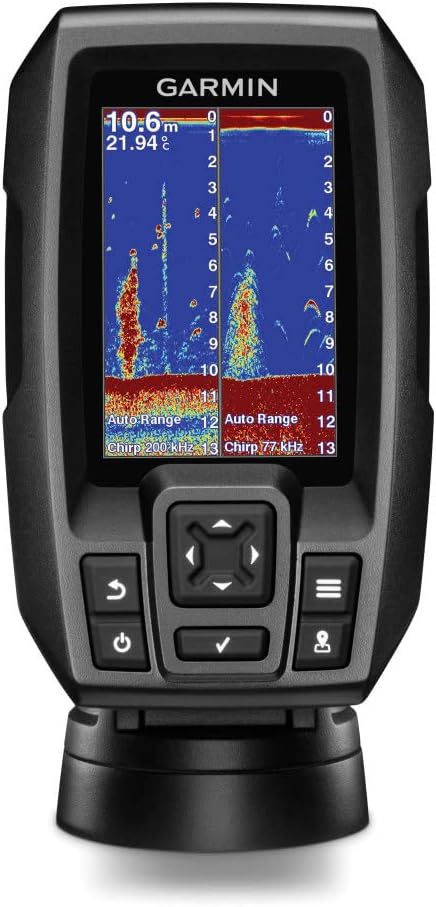

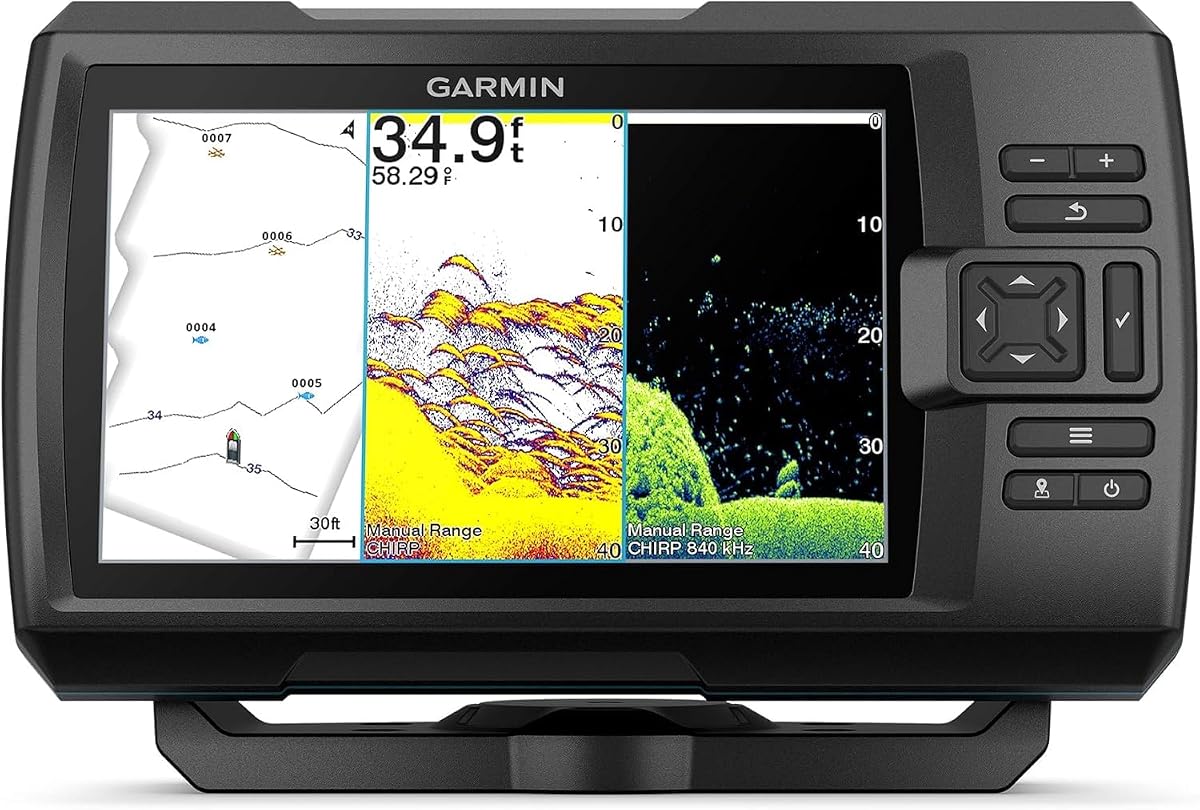


This unit stands out as a top choice for small boat anglers seeking a balance of size and advanced features. It earns strong user ratings for its clarity and ease of use right out of the box. The combination of color display and dual sonar modes makes it versatile for different water conditions.
We may earn a commission when you buy through this link, at no additional cost to you.
The Vivid Scanning Sonar provides distinct color palettes that make fish and structure easy to identify at a glance. Its CHIRP Traditional Sonar delivers crisp target separation, ensuring you do not mistake debris for fish. The included transducer supports both modes effectively without needing extra hardware or complex setup steps.
While it lacks wireless connectivity found in higher-end models, its built-in Quickdraw Contours mapping allows you to create personal depth maps quickly. The high-sensitivity GPS ensures accurate waypoint marking even on moving boats. These trade-offs are minor considering the price point and core performance reliability it offers users.
If you need a compact unit with professional features without excessive bulk, this model is highly recommended. It suits kayaks, small skiffs, and pontoons where space is limited but performance matters. Users appreciate the simplicity and the confidence that comes from reliable data presentation on the water.
The Vivid scanning sonar uses color palettes to differentiate fish from structure, enhancing visibility in murky or deep water where standard sonar often fails to provide clear distinction.
Quickdraw Contours allows anglers to create custom maps with one-foot contours by simply navigating the water once, saving significant time and effort compared to manual charting methods.
We may earn a commission when you buy through this link, at no additional cost to you.
This model offers exceptional value for anglers on a tight budget who still need reliable sonar performance. It consistently receives praise for its ease of use and clear display. The simplicity of the interface makes it a favorite for beginners or those who prefer straightforward tools without complex menus.
We may earn a commission when you buy through this link, at no additional cost to you.
The Auto-Tuning Sonar feature adjusts settings automatically based on water conditions, allowing users to focus on fishing rather than dialing in frequencies. The included 200 kHz Bullet Skimmer transducer provides broad coverage ideal for shallow waters typical in small boat fishing scenarios. Its portrait screen fits neatly in tight cockpit spaces.
Lack of built-in GPS means you cannot mark waypoints directly on the device, which might be a limitation for long trips. However, for local fishing where locations are known, this does not hinder effectiveness. The twist-lock connectors ensure the display can be removed quickly for security when the boat is unattended.
We recommend this for small boats where budget is the primary concern and advanced mapping is not essential. It delivers core sonar functionality reliably and simply. Anglers who prioritize fishing time over navigation features will find this unit meets their needs effectively without breaking the bank.
This feature automatically optimizes sonar performance so you spend less time adjusting settings and more time locating fish or structure beneath your vessel.
The portrait format and compact profile are specifically engineered for small boats with limited console or deck real estate.
We may earn a commission when you buy through this link, at no additional cost to you.
This unit represents the premium end of small boat fish finders with robust navigation and mapping tools. Its high rating reflects satisfaction with its mapping capabilities and sonar precision. It is ideal for anglers who view their small boat as a serious tool for covering large bodies of water efficiently.
We may earn a commission when you buy through this link, at no additional cost to you.
Dual Spectrum CHIRP Sonar delivers two modes of search—wide for coverage and narrow for detail—giving flexibility for different fishing scenarios. The included Basemap covers over 10,000 lakes and U.S. coastlines. AutoChart Live allows you to map depth contours and vegetation while you boat, creating custom maps in real time.
The keypad interface is designed to be reliable in wet or cold conditions where touchscreens often fail. While the 5-inch display is larger than basic models, it remains manageable for many small setups. Users may find the cost significant, but the mapping investment pays off for frequent travelers to new waters.
For serious anglers needing accurate navigation and detailed structure identification, this is a top-tier investment. It supports premium chart options like Navionics if you need even more detailed data. It bridges the gap between compact fishing and full navigation system effectively for small watercraft.
AutoChart Live generates maps of bottom hardness and vegetation as you fish, giving you detailed insights to return to productive spots later.
Wide and narrow modes allow you to switch between scanning large areas and focusing on specific structures with high precision.
We may earn a commission when you buy through this link, at no additional cost to you.
This model is designed specifically for anglers needing a full GPS unit in the smallest possible package. It has high praise for its durability and clear imaging despite the small form factor. The combination of compact size and GPS makes it perfect for kayaks or boats with minimal console space.
We may earn a commission when you buy through this link, at no additional cost to you.
Clear Vu scanning sonar offers high frequency images that reveal detailed structures and fish. This technology helps identify specific objects like stumps or brush piles accurately. The IPX7 rating means the unit can withstand immersion in water up to one meter, offering peace of mind during rough weather or accidental splashes.
The interface is straightforward with dedicated buttons, reducing the learning curve for new users. While the screen is small, it displays waypoint maps effectively to navigate to stored locations. Some users might find the size too cramped for extended viewing, but it is a reasonable trade-off for portability.
We recommend this for small craft where every inch counts. It delivers GPS tracking and advanced sonar without bulk. If you need to save space but cannot compromise on functionality, this is one of the most balanced choices available for entry-level GPS fish finders.
Clear Vu scanning sonar uses high frequency to produce near photographic images of objects and fish underwater.
The IPX7 rating ensures the device can survive temporary immersion in water, making it robust for all weather fishing.
We may earn a commission when you buy through this link, at no additional cost to you.
This model provides a larger viewing area for those who find smaller screens difficult to read while navigating. It retains the high performance of the Vivid series but expands the interface. Users often note that the larger screen makes identifying fish and contours significantly easier at a distance.
We may earn a commission when you buy through this link, at no additional cost to you.
Vivid scanning sonar uses color palettes to distinguish fish and structure clearly. Wi-Fi connectivity connects to the ActiveCaptain app, allowing you to receive notifications or manage waypoints on a smartphone. This feature adds convenience without cluttering the boat with extra devices or complex wiring setups.
The 7-inch screen requires a dedicated mounting spot, which may be challenging for very small vessels. Additionally, larger screens consume more battery power, so ensuring adequate power supply is crucial. Despite these factors, the ease of use and connectivity features make it a strong choice for mid-sized small boats.
It is ideal if you value screen real estate and modern connectivity. The balance of GPS, mapping, and sonar is excellent. Consider this if your boat can accommodate the size and you want smartphone integration alongside your traditional navigation display.
Wi-Fi connectivity allows you to connect compatible smartphones to transfer waypoints and receive smart notifications like software updates instantly.
New Vivid scanning sonar color palettes help you distinguish fish and structure clearly on the color display.
We may earn a commission when you buy through this link, at no additional cost to you.
This unit focuses purely on sonar functionality without the complexity of navigation tools. It is a reliable choice for local fishing where GPS is not required. Users appreciate its straightforward design and the fact that it comes fully bundled with a transducer and mount ready for installation.
We may earn a commission when you buy through this link, at no additional cost to you.
Dual Beam Sonar allows you to choose between a narrow beam for detail or a wide beam for coverage. This flexibility helps in various water conditions. The tilt and swivel mount lets you adjust the viewing angle quickly. It is a practical solution for those who want basic sonar without extra features.
The absence of GPS means you cannot mark waypoints, which limits its utility for travel. However, for fixed locations like a favorite spot or lake, this is not a significant drawback. The interface is designed to be intuitive, minimizing the time needed to learn how to operate the device.
We suggest this for anglers prioritizing cost and simplicity. It is a solid workhorse for small boats and pontoons. If you do not need chartplotting, this unit provides essential sonar data with minimal fuss and setup time.
Choose from narrow for detail or wide for coverage to identify fish and structure more accurately.
Tilt and Swivel Mount allows quick adjustment of viewing angle for better visibility.
We may earn a commission when you buy through this link, at no additional cost to you.
This model improves on basic finders by adding dual-beam sonar for broader coverage. It is a great step up for those needing more detail than standard 2D sonar. The dual-beam transducer supports 50/77/83/200 kHz frequencies, providing versatile scanning options for different depths.
We may earn a commission when you buy through this link, at no additional cost to you.
Quickdraw contours mapping software allows you to store maps with one-foot contours for up to two million acres. The sunlight-readable display ensures visibility even in bright conditions. Users find the intuitive interface easy to navigate, making it a strong contender for recreational fishing in diverse conditions.
Bluetooth features may not work seamlessly with all external devices depending on your setup. Additionally, you must create Quickdraw maps actively by driving the boat rather than having pre-loaded charts. These are minor limitations compared to the value of the included transducer and GPS capabilities.
It suits anglers who want enhanced imaging and mapping without the cost of a full chartplotter. The rugged design withstands harsh environments well. For small boats needing reliable structure and navigation data, this unit offers a solid blend of performance and affordability.
Dual-beam transducer offers remarkable target separation and wide beam for detailed scanning of structure.
Create and store maps with one-foot contours for up to two million acres using built-in software.
We may earn a commission when you buy through this link, at no additional cost to you.
This portable unit is specifically designed for anglers on kayaks or boats where mounting is difficult. Its wireless design removes the need for cables, allowing you to cast the sensor directly to fishing spots. It receives positive feedback for convenience and portability among kayak anglers who need flexibility.
We may earn a commission when you buy through this link, at no additional cost to you.
The sensor offers a wide 90-degree beam and operates up to 147 feet deep, covering most recreational depths. It displays fish icons and depth data on a 3.5-inch LCD. The rechargeable battery ensures long use on single charges. This design is particularly useful for shore or ice fishing where boats are not present.
While it lacks GPS, its wireless nature compensates by letting you position the sensor freely. However, wireless range may be limited in open water with high interference. The sensor floats securely if dropped, reducing the risk of loss. It is a versatile companion for diverse fishing styles.
We recommend this for those prioritizing portability over permanent installation. It simplifies setup on small vessels significantly. If you need a quick and easy solution without drilling holes, this wireless finder is an excellent choice for modern anglers.
Experience ultimate freedom with wireless control and no wires, allowing you to cast the sensor into deep channels.
Lighter than a liter water bottle and requires no drilling or brackets, making setup simple anywhere.
We may earn a commission when you buy through this link, at no additional cost to you.
This unit specializes in imaging technology to reveal underwater details with high clarity. Down Imaging offers sharp views of timber, rocks, and structure. It is a great tool for anglers who need to see exactly what lies below the boat to target specific hiding spots accurately.
We may earn a commission when you buy through this link, at no additional cost to you.
Dual Beam Sonar complements Down Imaging by providing traditional sonar coverage. The 4.3-inch color display presents data clearly even in bright light. The interface is redesigned for simplicity, ensuring easy operation. This balance of imaging and standard sonar makes it a versatile tool for various fishing styles.
Down Imaging works best at slower speeds, so it may not be ideal for trolling at high rates. Without GPS, it lacks mapping features for waypoint tracking. However, for visual inspection of structure, the detail provided by the imaging sensor is unmatched in this price bracket.
It is ideal for structure fishing where visual confirmation of timber or rock piles is necessary. If you want detailed views of the lake floor, this model delivers exceptional clarity. It is a strong choice for anglers prioritizing imaging over navigation.
View timber, brush, bridge pilings, rocks, and structure with sharp detail below your boat.
Simplifies target viewing with Fish ID plus alarms and alarms that guide your attention effectively.
We may earn a commission when you buy through this link, at no additional cost to you.
This model offers a 5-inch display that strikes a practical balance between visibility and compactness. It is a reliable all-rounder for small boat owners needing GPS and imaging capabilities. Users find it dependable for daily use and consistent in varying light and weather conditions on the water.
We may earn a commission when you buy through this link, at no additional cost to you.
It includes both CHIRP traditional sonar for target separation and ClearVu scanning for detailed images. The Quickdraw contours software allows storage of maps with one-foot contours. GPS features enable marking waypoints and routes easily. The intuitive user interface reduces learning time for new users significantly.
The device lacks additional mapping options beyond Quickdraw, limiting charting to custom maps created by the user. Installation requires a transducer, which may need drilling depending on boat setup. Despite these limitations, the combination of display size and imaging tools makes it a strong value choice for many.
We suggest this for those needing a mid-size screen with reliable GPS and imaging. It handles diverse conditions well with its rugged build. If you want a dependable unit without excessive complexity, this model is a recommended option for your small boat needs.
Includes transducer for built-in Garmin CHIRP traditional sonar plus ClearVu scanning sonar for complete underwater views.
The bright 5-inch display is designed to be readable even in direct sunlight for clear visibility.
We may earn a commission when you buy through this link, at no additional cost to you.
Selecting a fish finder for a small boat involves balancing performance with physical constraints and power needs. Here are the key factors to consider before making your decision.
Small boats have limited dashboard space, so a compact display is often preferable. Look for a unit between 3.5 to 5 inches for small craft. Ensure the display is sunlight-readable and offers good contrast so you can see details without glare.
Prioritize units with high contrast screens and anti-glare coatings for better visibility in bright conditions.
Traditional 2D sonar is affordable and reliable for general use. CHIRP sonar improves target separation and clarity. Scanning sonar like ClearVü provides detailed images of structure and fish. Choose based on whether you need basic depth or detailed imaging.
Opt for CHIRP or scanning sonar if you fish in structured areas with timber or rocky bottoms.
GPS functionality allows you to mark waypoints and return to productive spots. Some models include mapping software or support third-party charts. If you navigate between many lakes, built-in mapping or chart compatibility is a significant advantage.
Ensure the unit has built-in GPS and basic mapping features for efficient navigation and safety.
Small boats often lack drilling space, so consider portable or transom-mount options. Check if the mount is adjustable and secure. Wireless or portable units can be valuable if you do not want to modify your boat structure permanently.
Select a mount that is secure yet removable to protect your investment when not in use.
The transducer is critical for sonar performance. Ensure the included transducer matches your boat type and water conditions. Some models allow upgrading transducers later, providing future flexibility for improved performance or scanning modes.
Verify that the transducer supports both traditional and scanning sonar if you need detailed views.
Small boats often rely on smaller batteries, so power efficiency matters. Units with lower amperage draw preserve battery life. Look for devices that offer power-saving modes or efficient circuit design to extend your fishing trips.
Choose energy-efficient models to ensure your battery lasts all day on the water.
Boating involves exposure to water, so a high IP rating is essential. Aim for at least IPX7 to protect against splashes and immersion. This rating ensures durability and reliability in wet conditions.
Look for an IPX7 rating to guarantee the device can withstand accidental water submersion.
Simple controls are easier to manage while navigating or fighting fish. Keyed buttons are often more reliable than touchscreens in wet conditions. Ensure the menu is intuitive to reduce learning time and frustration during trips.
Prioritize devices with physical buttons and straightforward menus for better usability.
Install the transducer on the transom below the waterline ensuring no air bubbles get trapped. Check that the angle is correct for optimal sonar return. Secure cables tightly to prevent movement or chafing against the hull.
Keep the screen clean with a soft cloth and mild cleaner to avoid scratches. Ensure all ports and buttons are dry after use. Store the unit in a dry place when not in use to protect electronics.
Update firmware periodically through the manufacturer's website to access new features. Check the battery connections for corrosion and clean them as needed. Regular maintenance ensures long life and accurate readings on the water.
While not strictly necessary, a fish finder significantly improves your success rate by helping you locate structure and fish. Even for small boats, it can guide you to deeper channels or weed beds. It is a worthwhile investment for efficiency and safety.
A 3.5 to 5-inch display is typically ideal. These sizes provide sufficient visibility without cluttering your limited space. Larger screens may be difficult to mount securely on small consoles or cockpits.
GPS is highly recommended for navigating and marking waypoints. It helps you return to productive spots and stay safe. Basic GPS is often enough; detailed charting is a bonus if available.
Most entry-level units scan depths of 100 to 300 feet. High-frequency sonar works best in shallow waters, while low-frequency handles deeper waters better. Check product specs for exact depth limits before purchasing.
Yes, portable finders are great for small boats without permanent mounts. They offer flexibility and are easy to remove for storage. They work well for shore or kayak fishing as well.
Traditional 2D sonar is cost-effective, while CHIRP offers better clarity. Scanning sonar helps identify structure. A unit combining both gives the most versatility for diverse fishing conditions.
Choose a transom mount location where cables reach easily. Ensure the transducer is below the waterline and aligned correctly. Use waterproof connectors and secure wires to prevent vibration damage.
Many models have high IPX7 water resistance ratings. This means they can withstand submersion in water up to one meter. Always verify the specific rating for the model you choose.
The top picks like the Garmin STRIKER Vivid 4cv and Humminbird Helix 5 offer excellent balances of performance and features. Whether you prioritize imaging or navigation, the list provides options that suit various fishing styles.
Focus on sonar clarity and display size to ensure you can read data easily while moving. Small boats demand efficient use of space and power, so choose a unit that respects these constraints.
Check current availability and compatibility before buying to ensure the unit meets your current setup. Prices and inventory change frequently so always verify the latest details from retailers before purchasing.