
Channel Master TV Antenna Signal Strength Meter
3.9Editor score
Color Touch-Screen Display
Displays Signal Level SNR
Built-In Rechargeable Battery
Finding the right cellular signal meter for antenna aiming is crucial for optimizing your network coverage. A good tool provides accurate real-time data to help you position antennas perfectly.
We compared ten leading products based on frequency range, accuracy, and ease of use. This list covers everything from basic handheld meters to advanced spectrum analyzers.
Each pick shows key specifications and real-world performance metrics. Note that prices and availability change frequently so check current listings before purchasing.
3.9Editor score

4.3Editor score

4.6Editor score
As an Amazon Associate we earn from qualifying purchases.
This side-by-side comparison highlights the core specifications of every tool we reviewed to help you decide which meter fits your specific aiming needs.


The SureCall Five-Band RF Signal Meter stands out as the top choice for cellular signal meter for antenna aiming tasks. It receives strong ratings from users who need precise measurements during booster installations. Its five band support ensures you cover all major frequencies used by carriers today.
We may earn a commission when you buy through this link, at no additional cost to you.
Key strengths include its high receiving sensitivity which allows you to detect weak signals deep indoors or in remote areas. The rechargeable design means you can work longer without swapping batteries. The controllable backlight is a thoughtful touch for working in dark attics or crawl spaces.
Trade-offs involve its specific focus on cellular bands which might not help if you need Wi-Fi or TV signal analysis. Users should handle the device with care to avoid damaging the sensitive internal components during transport. These limitations are acceptable given the specialized performance in its niche.
This meter is ideal for professional installers and serious hobbyists installing cell boosters at home. The robust feature set and reliable accuracy make it a final recommendation for anyone serious about optimizing cellular reception.
With -110dBm sensitivity this device detects signals that weaker meters miss ensuring you find the absolute strongest spot.
The rechargeable NiMH battery design reduces waste and ensures you have power when you need it most.
We may earn a commission when you buy through this link, at no additional cost to you.
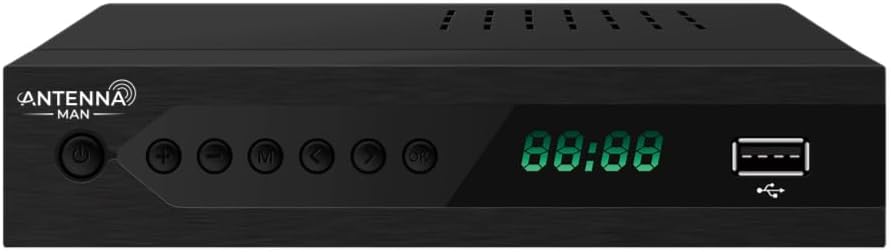
This product offers a unique approach by combining an antenna meter with a converter box for broader utility. While not exclusively for cellular meters it provides real-time signal strength readings useful for general alignment. The plug-and-play nature makes it accessible for beginners.
We may earn a commission when you buy through this link, at no additional cost to you.
Strengths lie in its ability to help users maximize channel reception and verify connection quality. It is compact and easy to use without complex configuration steps. The real-time display helps you see immediate changes as you move the antenna.
However it lacks specific cellular frequency analysis which limits its effectiveness for dedicated cellular signal meter for antenna aiming projects. Advanced users might find the features too basic for professional installation tasks. This is acceptable for casual users prioritizing simplicity over deep metrics.
It serves well for home theater setups where OTA signals matter alongside cellular needs. If you need a simple tool for general signal health this is a solid choice.
No complex menus or settings needed just connect and view the signal strength instantly.
Combines signal metering with TV tuning to save space and money on separate devices.
We may earn a commission when you buy through this link, at no additional cost to you.
The Octopus 4G LTE is a top-tier tool offering detailed metrics like RSRP and RSRQ for precise antenna positioning. It receives exceptional ratings for reliability and accuracy in field testing. Professionals in EV charging and IoT install this for consistent results.
We may earn a commission when you buy through this link, at no additional cost to you.
Its ability to measure true signal quality without needing a SIM card is a huge advantage. This allows for quick deployment and testing across different carriers. The device is designed and manufactured in the USA ensuring high quality control.
The main trade-off is the high cost compared to basic meters which may not fit every budget. It is specialized for infrastructure projects rather than simple home use. However for professional accuracy the investment pays off quickly.
Choose this if you are setting up critical infrastructure or need carrier independent measurements. It is the best premium option for serious cellular signal meter for antenna aiming work.
Test against AT&T Verizon and T-Mobile without needing physical SIM cards for each network.
Access RSRP and RSRQ data to understand signal quality beyond simple strength bars.
We may earn a commission when you buy through this link, at no additional cost to you.
This spectrum analyzer covers a massive frequency range making it suitable for many RF tasks including cellular work. The large touchscreen provides excellent visibility of signal data in real time. It is highly rated by engineers for its versatility.
We may earn a commission when you buy through this link, at no additional cost to you.
Its tracking generator allows you to measure frequency response which helps in analyzing antennas and cables. The GPS heatmap feature adds value for mapping coverage areas during site surveys. It is portable enough for field work yet powerful enough for the.
Complexity can be a barrier for simple users who just want to aim an antenna. The high price is justified for pros but may be overkill for hobbyists. For those needing full RF analysis it is an outstanding choice.
Best for engineers and technicians who require deep insights beyond basic signal strength. It transforms antenna aiming into a data-driven scientific process.
See hidden interference that causes cellular drops and resolve it before installation.
Cover everything from legacy bands to modern 5G frequencies with one device.
We may earn a commission when you buy through this link, at no additional cost to you.
The NetAlly kit includes an external directional antenna which is crucial for precise aiming in dense environments. It has perfect ratings for reliability and advanced troubleshooting capabilities. While focused on Wi-Fi the RF data helps optimize cellular signals too.
We may earn a commission when you buy through this link, at no additional cost to you.
The included spectrum analyzer allows deep analysis of the radio environment to find clean channels. Remote collaboration tools mean experts can assist you on site via video and data sharing. The build quality is top-notch for daily field use.
Cost is a significant factor as this is a high-end investment meant for enterprise use. The focus on Wi-Fi might limit its value if you only need cellular data. For mixed environments it is unmatched.
Ideal for enterprise network architects needing to optimize both Wi-Fi and cellular. The directional antenna makes it a strong contender for challenging aiming tasks.
Use the included antenna to focus on specific signals and block out noise.
Upload site data to the cloud for seamless team collaboration and future reference.
We may earn a commission when you buy through this link, at no additional cost to you.
This meter focuses on EMF measurement which helps ensure safety during antenna work. It features a triaxial probe that measures from all directions without needing to rotate. It is well rated for safety and ease of use.
We may earn a commission when you buy through this link, at no additional cost to you.
The ability to recall up to 99 sets of data helps track changes over time. Its simplicity is a strength for non-experts who just need to know signal levels. The brand has a long history of reliable test equipment.
Since it is non-directional you might need more guesswork to find the exact direction. The band coverage is general which might miss specific cellular peaks. Still it is excellent for safety checks and basic readings.
Best for users who prioritize safety and basic readings over extreme precision. It is a reliable companion for general installation and maintenance tasks.
Measure exposure levels to ensure your installation environment is safe for workers.
Store up to 99 readings to compare locations without needing an external computer.
We may earn a commission when you buy through this link, at no additional cost to you.
The MINI1300 offers a broad frequency range covering HF VHF and UHF bands useful for various antennas. It supports SWR measurements which are critical for tuning antenna efficiency. The touchscreen adds a modern touch to an otherwise technical tool.
We may earn a commission when you buy through this link, at no additional cost to you.
TDR mode allows you to detect faults in cables which is valuable during antenna setup. The device is compact and easy to carry to different site locations. It is affordable compared to high-end analyzers making it accessible.
Users should note that firmware cannot be updated which limits long-term support. Cellular specific logic is basic compared to dedicated meters. It is great for antenna tuning but may lack carrier specific insights.
Ideal for ham radio enthusiasts and installers needing SWR data for coax tuning. It balances cost and functionality well for general antenna work.
Check Standing Wave Ratio to ensure your antenna is efficiently radiating power.
Use TDR mode to find breaks or shorts in your coaxial cable instantly.
We may earn a commission when you buy through this link, at no additional cost to you.
This device combines a spectrum analyzer with a signal generator for comprehensive testing. It supports a wide range of frequencies including most cellular bands used today. The lightweight design makes it comfortable for long periods of aiming work.
We may earn a commission when you buy through this link, at no additional cost to you.
Battery life is decent providing hours of field use on a single charge. The touchscreen allows for intuitive operation while physical buttons offer backup control. It connects to PCs for logging data during complex surveys.
The resistive touchscreen may not feel as responsive as modern capacitive screens. Battery capacity varies by batch which requires verifying specs before shipping. For the price it offers solid performance.
Great for field engineers needing a portable multi-tool for RF and cellular analysis. It is a versatile addition to any antenna aiming toolkit.
Inject signals to test system response and validate antenna performance immediately.
Weighing only 380g it fits easily in a pocket for instant on-site checks.
We may earn a commission when you buy through this link, at no additional cost to you.
This handheld analyzer covers essential frequencies for WiFi and LTE testing at a lower price. It includes essential accessories like cables and a stylus to get started quickly. The scan speed is fast enough for general field diagnostics.
We may earn a commission when you buy through this link, at no additional cost to you.
Its compact housing fits well in tight spaces where larger devices cannot reach. Battery life is adequate for short site surveys. The rugged finish helps withstand rough handling during transport.
Some users report accessory fit issues so check the size chart before ordering. Support may be limited compared to major brands. It is a good value for occasional use.
Suitable for technicians and hobbyists needing an affordable RF analyzer. It provides essential tools for signal evaluation without breaking the bank.
The black finish and compact housing are designed to survive drops and bumps.
Scan the entire frequency span quickly to spot interference hotspots.
We may earn a commission when you buy through this link, at no additional cost to you.
This budget-friendly option focuses on OTA TV signals but provides general RF strength data useful for aiming. It is highly rated for ease of use by homeowners. The color display makes readings clear and easy to interpret.
We may earn a commission when you buy through this link, at no additional cost to you.
It measures SNR which is a key factor in signal quality even for cellular. The rechargeable battery ensures you are not constantly buying new ones. The stylus and case help protect the device during transport.
The main trade-off is that it is optimized for TV frequencies which might not align with cellular peaks. Accuracy is lower than professional analyzers. For budget projects this is an excellent start.
Ideal for DIY installers needing a basic tool to find strong signal spots. It is the best budget entry point for antenna aiming tasks.
View SNR to ensure your connection is clear of interference noise.
Keep it charged and ready for multiple installation sessions without extra costs.
We may earn a commission when you buy through this link, at no additional cost to you.
Choosing the right tool requires understanding your specific needs and the frequencies you must measure.
Ensure the meter covers the specific bands used by your carrier. Look for support on LTE and 5G bands to avoid missed signals.
Always verify the frequency range covers your local carrier needs.
Basic meters show dBm but advanced ones show RSRP and RSRQ. These metrics give a clearer picture of signal quality.
Prioritize devices that show more than just raw strength.
If you work outdoors a rugged compact design is essential. A heavy device may tire you out during long install days.
Choose a device that fits easily in your work pouch.
Look for rechargeable batteries with at least four hours of runtime. Downtime for charging can ruin your workflow.
Rechargeable NiMH or Li-ion batteries are the standard.
A clear backlight is necessary for reading in dark spaces. Touchscreens should be responsive and easy to use with gloves.
High contrast screens improve readability in bright sunlight.
Installations often happen in rough environments like crawl spaces. Look for devices with protective cases or rugged casing.
A sturdy build protects your investment from drops and dust.
Some meters allow you to save readings for later analysis. This helps in tracking signal changes over time.
USB connectivity or cloud integration adds significant value.
Professional analyzers cost more but offer precise data. Hobbyist meters are cheaper but may lack advanced metrics.
Set a budget based on how critical accuracy is for your job.
Turn on your meter and allow it to warm up for a minute. Ensure the battery is fully charged before heading outdoors.
Hold the meter steady at the intended mounting height. Rotate your antenna slowly and watch for the peak signal reading.
Clean the screen with a soft cloth after use. Store the device in a protective case to prevent damage.
A cellular signal meter measures the strength and quality of radio waves. It helps you find the best location for antennas to maximize your network coverage.
Yes but a spectrum analyzer provides deeper insight into the RF environment. It shows interference that simple meters might miss.
Most standalone meters do not need a SIM card to measure signals. Devices like the Octopus measure directly without SIM access.
Budget meters are accurate enough for general alignment but may lack precision. Professional tools offer better accuracy for critical infrastructure.
Many meters support WiFi bands but check the frequency range carefully. Analyzers often cover both cellular and WiFi frequencies.
Check the backlight settings and battery level. Clean the screen surface and ensure you are not in direct glare.
Follow the user manual instructions for factory reset. Most devices self-calibrate when powered on in a clear area.
Heavier devices often include more internal components for better shielding and analysis. This adds weight but improves performance and accuracy.
The SureCall Five-Band and Octopus 4G LTE stand out as top picks for precision. They offer detailed metrics for serious installers.
Prioritize frequency range and battery life when comparing options. A tool that fits your daily workflow is more useful than a complex one.
Check current prices and availability before buying to get the best deal. Always verify specs against your carrier's requirements.