
Audio Effects Processor
5.0Editor score
199 preset effects modes
Dual channel processing
Standard rackmount chassis
This guide compares the top hardware reverb units for studios and stages, analyzing sound quality, features, and build to help you choose the perfect effect
Hardware reverb units remain essential for musicians seeking authentic space and depth in their sound. Whether you play guitar, keyboards, or sing, a dedicated processor adds life and dimension that plugins sometimes lack.
We evaluated ten top-rated units based on sound quality, ease of use, build durability, and feature sets. Our analysis covers rackmount processors, pedal formats, and modules to ensure you find the right tool for your specific needs.
Each pick highlights key strengths and ideal use cases so you can match the unit to your workflow. Remember that prices fluctuate frequently, so check current listings before making your final purchase decision.
5.0Editor score

4.9Editor score

4.8Editor score
This table provides a side-by-side view of key specifications across all ten units. It helps you quickly compare features like channel count, control type, and connectivity options to narrow down your selection.


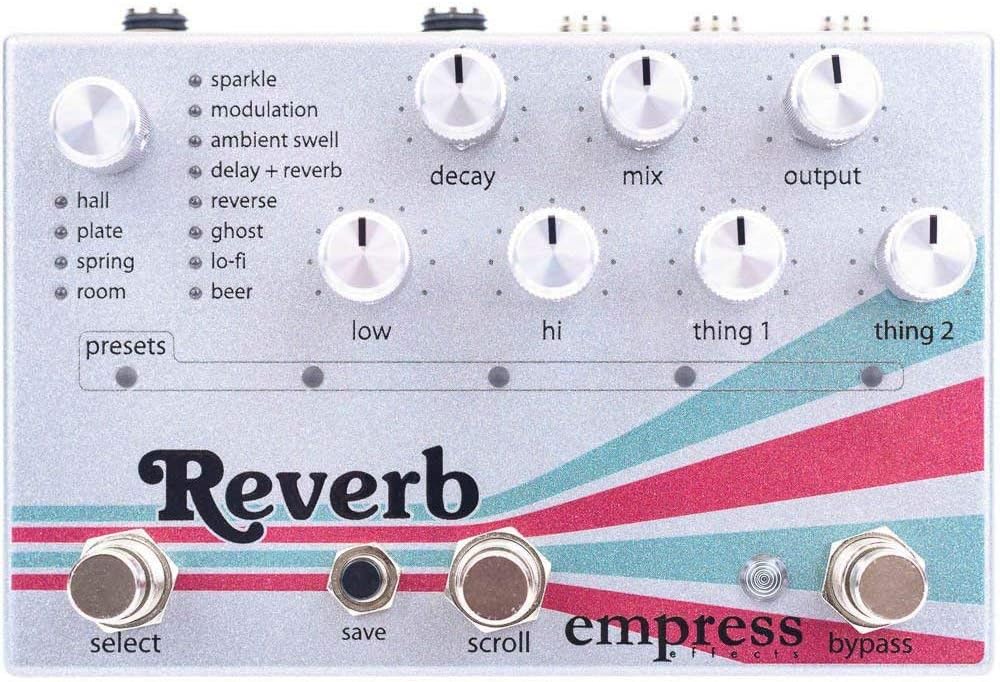


This pedal earns our top spot with its pristine digital sound and versatile modulation options. It delivers a wide range of reverberation styles that fit any musical context with exceptional clarity.
We may earn a commission when you buy through this link, at no additional cost to you.
The shimmer controls and decay switches offer deep control over how space is rendered. Musicians appreciate the pre-delay and EQ sections that let them sculpt the tail precisely without muddying the mix.
While it carries a higher price tag, the build quality and sound fidelity justify the investment for serious players. The lack of extensive preset storage is a minor trade-off given the ease of manual adjustment.
If you need a reliable stereo reverb that sounds amazing live and in the studio, this unit is the clear winner. It is the best choice for those who value tone and control above all else.
The stereo processing creates a wide soundstage that fills any room without sounding phasey or unnatural.
Built-in modulation adds depth and movement to reverb tails, making static sounds feel more organic and alive.
We may earn a commission when you buy through this link, at no additional cost to you.
This rackmount unit offers incredible value with high precision digital processing and nearly two hundred preset modes. It is an ideal solution for bands needing reliable effects without breaking the bank.
We may earn a commission when you buy through this link, at no additional cost to you.
The dual channel design allows you to process separate audio sources simultaneously. This flexibility makes it perfect for karaoke setups where vocals and backing tracks need different treatments at the same time.
While the controls are straightforward, they are effective for quick adjustments during live shows. The metal construction ensures it can withstand the rigors of touring, making it a durable addition to any rack.
If you need a versatile processor that handles reverb and delay with ease, this is the smart buy. It delivers professional results at a price point that is hard to beat.
The 24-bit engine ensures clear sound reproduction with minimal noise even when effects are engaged.
Dual channel support lets you run parallel effects chains for complex sound setups easily.
We may earn a commission when you buy through this link, at no additional cost to you.
This pedal stands as a benchmark for premium reverb effects with its multidimensional algorithms and deep control options. It offers a sonic palette that is unmatched by most other devices on the market today.
We may earn a commission when you buy through this link, at no additional cost to you.
Every parameter can be tweaked to create unique soundscapes that inspire creativity. The build quality is solid and the audio path is clean, ensuring your tone remains pristine even with heavy effect use.
The complexity might be overwhelming for casual players but professionals will appreciate the depth it offers. The large size requires significant board space which might be a consideration for compact setups.
For those seeking the absolute best reverb experience and are willing to invest, this is the definitive choice. It is an instrument in its own right that pushes the boundaries of what pedals can do.
Algorithms go beyond traditional spaces to create evolving textures that react to your playing dynamics.
The internal processing chain is designed to maintain full dynamic range and frequency response.
We may earn a commission when you buy through this link, at no additional cost to you.
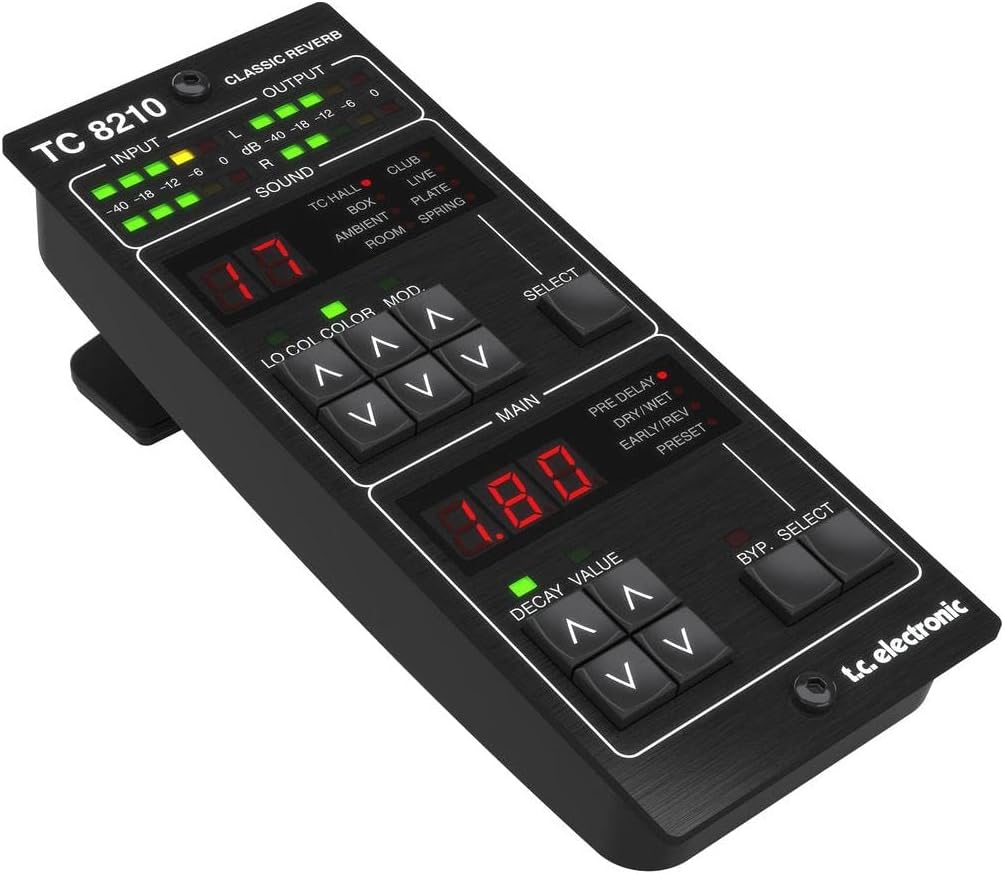
This unit brings the legendary TC reverb sound directly to your desktop workstation for easy access. It bridges the gap between software convenience and the tactile feel of hardware control.
We may earn a commission when you buy through this link, at no additional cost to you.
The dedicated desktop interface provides hands-on control that makes tweaking parameters quick and fun. You get a huge variety of reverb types that suit vocals, drums, and other instruments effectively.
Preserving the natural character of the source material is key to good mixing. The included signature presets give you starting points from favorite artists to speed up your workflow immediately.
If you mix in the box but want more physical control over your effects, this is a strong option. It simplifies the process of adding professional quality reverb to your digital mixes.
The dedicated interface gives you physical knobs for faster adjustments compared to a mouse.
Preset packs from artists ensure you can replicate professional tones without guessing.
We may earn a commission when you buy through this link, at no additional cost to you.
This module brings authentic analog warmth to your synth setup with dual spring reverb technology. It is a great way to add organic texture to electronic sounds that digital algorithms often miss.
We may earn a commission when you buy through this link, at no additional cost to you.
The dual spring design offers a rich and textured sound that can be adjusted physically. It fits into standard modular setups seamlessly, allowing for patching into your main signal path easily.
Analog units typically have a higher noise floor which might be noticeable in quiet passages. However for many this noise is part of the charm that adds character to the mix.
If you build synthesizers or need a specific vintage texture this module is a unique choice. It brings a physical element to your sound design that is hard to replicate digitally.
The physical springs create natural imperfections that make the reverb feel more alive and human.
Designed for Eurorack it integrates easily into existing modular synthesizer systems.
We may earn a commission when you buy through this link, at no additional cost to you.
This pedal offers a cost effective entry into digital reverb with seven distinct modes. It provides essential sounds for guitarists who need room and hall options without a complicated interface.
We may earn a commission when you buy through this link, at no additional cost to you.
The true bypass design ensures your signal stays clean when the pedal is off. The aluminum alloy case is durable and lightweight making it a reliable addition to your board.
It does not include a power supply so you will need to purchase one separately. While the modes are useful they are fixed which limits customization compared to more expensive units.
For beginners or casual players looking for a simple reverb this is a solid start. It gets the job done reliably and fits well on smaller boards.
From room to plate it covers the standard bases needed for most guitar and.
This design prevents tone loss when the effect is disengaged keeping your signal pure.
We may earn a commission when you buy through this link, at no additional cost to you.
This unit is known for its high-quality algorithms and easy to use interface. It delivers pristine classic sounds along with ambient options that inspire creative playing styles.
We may earn a commission when you buy through this link, at no additional cost to you.
The tap functions make it easy to sync delay and reverb to your song tempo quickly. Users appreciate the speed at which they can dial in settings without getting lost in menus.
While the screen is small it is functional enough for the core features it offers. Some users might prefer larger displays for deeper editing but this does not hinder performance.
If you want professional sound without the complexity of a computer this is a great choice. It balances quality and ease of use well for gigging musicians.
The algorithms are modeled after classic hardware ensuring you get the sounds you trust.
Tap functions allow you to keep your effects rhythmic without complex calculations.
We may earn a commission when you buy through this link, at no additional cost to you.
This pedal features revamped programs that offer vast tonal improvement over previous versions. The ducking and swelling features allow for dynamic control over the effect level.
We may earn a commission when you buy through this link, at no additional cost to you.
With 128 onboard presets you have plenty of room to save your custom settings. The feedback EQ and diffuse controls let you fine-tune the tail to suit any instrument.
Navigating the menu might take some getting used to compared to knobs only units. However the depth of customization available makes it worth the effort for serious users.
For those who need a high fidelity reverb with extensive customization this is a strong contender. It delivers professional quality sounds that fit into complex signal chains.
Ducking helps the reverb sit in the mix by reducing when your playing notes.
With hundreds of preset slots you can store settings for every song you play.
We may earn a commission when you buy through this link, at no additional cost to you.
This pedal provides the most authentic emulation of classic mid-seventies Japanese ambience devices. It captures the tape mechanism and spring reverb details with high precision.
We may earn a commission when you buy through this link, at no additional cost to you.
You get doubled delay times and an analog preamp section that adds warmth to your tone. The app support allows you to tweak functionality and customize oscillation sounds easily.
Silent switching ensures your signal path is clean even when changing settings. The build is robust and the attention to detail is clear in the sound quality.
If you crave vintage vibes this unit brings that sound to your modern pedalboard. It is a premium choice for players who value historical accuracy.
The modeling captures the subtle quirks of the original hardware for a genuine feel.
Combining both delay and reverb types in one box saves space and money.
We may earn a commission when you buy through this link, at no additional cost to you.
This versatile unit allows you to achieve any reverberation effect from small rooms to endless washes. The built-in EQ lets you adjust the texture to bright or dark easily.
We may earn a commission when you buy through this link, at no additional cost to you.
The pre-delay knob lets you explore effects from slap-like to spacey sounds without extra pedals. It runs on standard power and fits into most boards without taking too much space.
Made in the USA it benefits from high quality manufacturing and attention to detail. This ensures reliability and consistency in performance over years of regular use.
If you value quality and versatility this pedal is a solid choice for your rig. It offers features that go beyond basic reverb units for enhanced creativity.
The EQ knob lets you sculpt the tone of the effect to suit your guitar.
Adjustable pre-delay helps the dry signal punch through before the reverb kicks in.
We may earn a commission when you buy through this link, at no additional cost to you.
Selecting the right unit involves weighing sound quality against features and budget. These factors will help you find a processor that meets your specific needs.
Consider whether you need a pedal, rack unit, or modular module. Pedals are portable and easy to use in live sets while rackmount units offer more power for studios. Modular units are ideal for synth builders needing integration.
Choose a format that fits your existing gear and space constraints.
Look for units with high-resolution digital processing or quality analog components. This ensures your reverb sounds clean and natural rather than muddy or artificial. Higher bit depth helps maintain clarity in the signal chain.
Prioritize high fidelity to avoid degrading your tone.
Decide if you want knobs for quick adjustments or menus for deep customization. Physical controls are often faster for live performance while menus offer more flexibility for studio work. Some units offer both for the best of both worlds.
Select a control scheme that matches your workflow speed.
Check for additional features like delay, modulation, or EQ. Having multiple modes gives you more versatility with fewer pedals or racks. Advanced features like ducking help keep your mix clear during performance.
Ensure the unit has the features you need for your music style.
Build quality matters if you plan to travel or perform live. Metal casings and robust switches ensure the unit survives regular use and transport. Avoid plastic housings if you need reliability on the road.
Invest in sturdy construction for long-term use.
Look for stereo inputs and outputs if you need a wide soundstage. Balanced connections help reduce noise over long cable runs in larger setups. USB support is useful if you want to update firmware or manage presets via computer.
Match connections to your gear to ensure compatibility.
Determine a budget range to narrow your options quickly. Higher prices often bring better sound and features but budget units are also very capable. Consider how much you will use the unit to justify the cost.
Balance cost with the value it brings to your setup.
A good unit should be easy to set up and operate. Complex menus can be frustrating if you need to change sounds quickly. Check reviews for feedback on user experience before buying.
Ease of use helps you focus on playing rather than tech.
Start by connecting your instrument to the input and the unit to your amp or mixer. Ensure all cables are secure and use the correct power supply to avoid damage to the internal circuitry.
Experiment with the decay and mix knobs to find the right amount of space for your sound. If the reverb gets too muddy, reduce the wet signal or adjust the EQ to brighten it slightly.
Keep your unit in a cool dry place and avoid exposing it to extreme heat or moisture. Dust off the exterior regularly and store it in a case during transport to prevent scratches or dents.
Hardware units often offer a more tactile experience and specific analog warmth that plugins struggle to mimic. However, modern plugins are very close in quality. The choice depends on whether you prefer physical knobs or digital convenience in your workflow.
Yes, most of these units are built for live use with durable casings and robust connections. Rackmount units are great for stage racks while pedals are perfect for pedalboards. Just ensure your power supply is stable.
Plate and Hall reverbs are generally preferred for vocals. Plate adds a smooth dense tail while Hall offers a spacious natural sound. Look for units that offer these specific algorithms for the best results.
Not all of them require a pedalboard. Rackmount units plug directly into your rack while pedals fit on a board. Some units are standalone desktop devices. Choose based on where you want to place the effect.
Many modern units allow you to save presets to the internal memory. Some even allow storage via USB or cloud sync. Check the specific model to see how many presets it can hold before buying.
Stereo reverb creates a wider soundstage that makes your track feel bigger and more immersive. It is particularly useful for electric guitars and synths. If you use stereo inputs or outputs this feature is highly recommended.
We recommend the Strymon blueSky V2 for overall quality and the Audio Effects Processor for budget value. Both offer distinct advantages depending on whether you prioritize sound fidelity or cost effectiveness.
Consider your budget, format preference, and specific musical needs before buying. Whether you need rack power or pedal flexibility, there is a unit here that will elevate your sound.
Remember to check current listings as inventory and pricing change frequently. Finding the right deal ensures you get the best value for your setup today.