
Sipeed Tang Nano 20K
4.5Editor score
Affordable FPGA Development
RISC-V Linux Support
Compact Single Board
Discover the top Fpga Retro Consoles for 2026 with our expert guide comparing performance features and compatibility to help you choose the perfect device.
Fpga Retro Consoles offer enthusiasts a unique way to experience classic gaming with modern hardware precision. These devices use field programmable gate arrays to recreate original console logic for authentic performance and low latency gameplay.
We have evaluated ten leading options available on the market today focusing on build quality expandability and emulator support. Our comparison covers everything from developer kits to handheld units designed for immediate play.
Each selection highlights specific strengths whether you need a budget friendly entry point or a high end development board. Please note that pricing and availability can change frequently so check current listings before purchasing.
4.5Editor score

4.5Editor score

5.0Editor score
This side by side comparison examines the core specifications and capabilities of each device to help you understand their unique strengths for specific use cases.

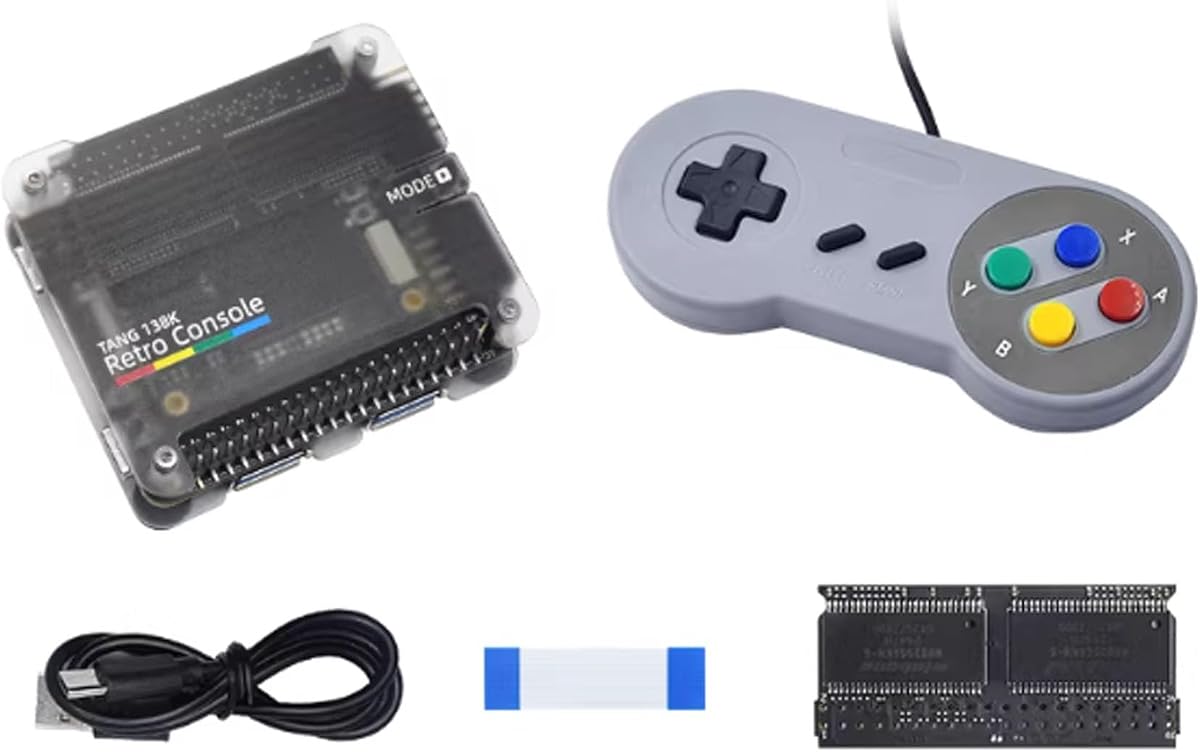
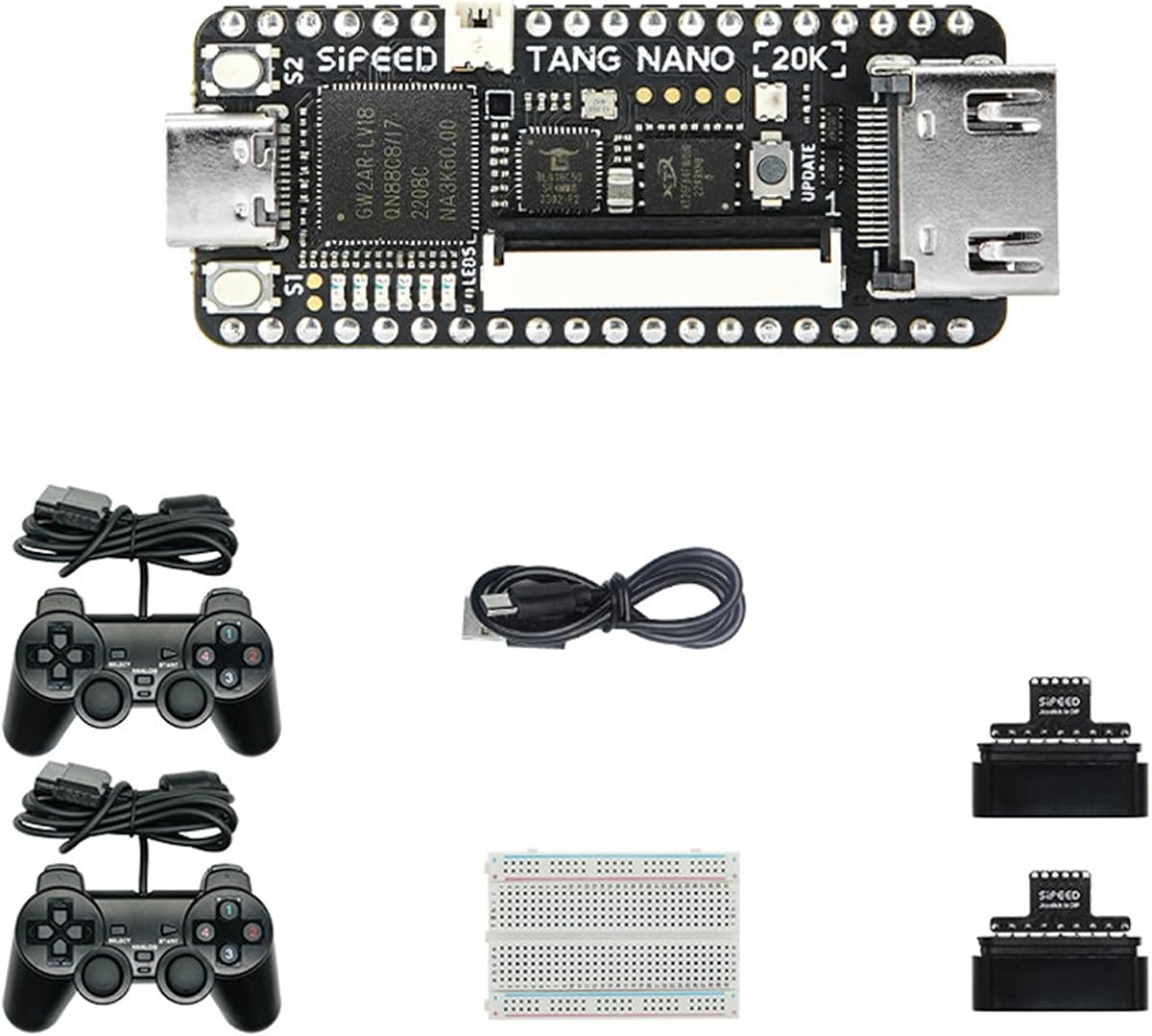


This device stands out as the top choice for those seeking a powerful FPGA platform. It offers a robust 138K LUT configuration that handles complex retro cores with ease.
We may earn a commission when you buy through this link, at no additional cost to you.
The HDMI output ensures crisp visuals while the dual PMOD ports allow for extensive hardware customization. Its ability to function as a Raspberry Pi 5 HAT adds significant versatility to any setup.
While the setup requires some technical knowledge the flexibility it offers is unmatched. Users should be prepared to configure software and manage connections independently without plug and play simplicity.
Enthusiasts looking for a high-end development board will find this board ideal. It balances raw performance with expandability making it a long-term investment for retro gaming projects.
The 138K LUT capacity enables smooth emulation of older systems without lag.
Multiple interfaces ensure compatibility with a wide range of peripherals and displays.
We may earn a commission when you buy through this link, at no additional cost to you.
For those on a budget this console provides an excellent entry point into FPGA gaming. It supports essential retro cores efficiently while maintaining a low cost profile.
We may earn a commission when you buy through this link, at no additional cost to you.
The inclusion of USB 3.0 ports allows for fast controller connectivity and peripheral support. Its Linux dev board capabilities make it suitable for hobbyists wanting to learn programming.
While it lacks the raw power of higher-end models it remains reliable for common emulation tasks. Users might find limitations when running more demanding systems like modern consoles.
This option is perfect for beginners or those building multiple units. It balances cost and functionality well for casual retro gaming needs.
Offers a strong balance of features for the price point.
Supports Linux based development environments for custom projects.
We may earn a commission when you buy through this link, at no additional cost to you.
This premium console combines high-end FPGA power with a silent fanless design. It delivers excellent performance while maintaining a quiet environment for gaming.
We may earn a commission when you buy through this link, at no additional cost to you.
The RISC-V core integration adds advanced processing capabilities for complex emulation tasks. Its compact size makes it easy to integrate into any existing setup.
Although it is more expensive the performance gains and build quality justify the cost. It is best suited for users who need reliable hardware for intensive work.
This model is ideal for serious enthusiasts and developers. It offers a premium experience with no compromises on quality or speed.
Fanless operation ensures zero noise during gameplay.
RISC-V support enables future proofing for new cores.
We may earn a commission when you buy through this link, at no additional cost to you.
This board is a fantastic entry point for those new to FPGA development. It provides the basics needed to run simple retro cores and learn coding.
We may earn a commission when you buy through this link, at no additional cost to you.
Support for RGB LCD screens and microSD cards makes it versatile for handheld projects. The JTAG debugger simplifies testing and troubleshooting during development.
Users should expect limitations with more demanding systems due to the lower LUT count. It is best used for simpler projects like NES or GBA emulation.
This device is perfect for students and hobbyists. It offers a low risk way to explore FPGA technology and build custom hardware.
Provides a simple platform to learn FPGA programming basics.
Direct support for RGB LCDs enables handheld builds.
We may earn a commission when you buy through this link, at no additional cost to you.
This kit emphasizes open source flexibility with Linux and RISC-V support. It is designed for developers who want full control over their software stack.
We may earn a commission when you buy through this link, at no additional cost to you.
The HDMI port allows for direct TV connectivity making it easier to use as a game console. The open source nature encourages community driven improvements.
Setting up Linux on this board requires technical expertise. Casual users may find the process challenging compared to pre-built systems.
Ideal for developers and tech enthusiasts this kit provides a platform for innovation. It is a great choice for those building custom OS environments.
Allows full customization of software and hardware layers.
Built-in support for RISC-V Linux operating systems.
We may earn a commission when you buy through this link, at no additional cost to you.
This board stands out with support for multiple display outputs. It is well suited for projects requiring split screen or secondary monitor capabilities.
We may earn a commission when you buy through this link, at no additional cost to you.
The BL616 debugger simplifies hardware debugging and improves development efficiency. It also includes built-in support for NES emulation out of the box.
While it handles older systems well it may struggle with more complex cores. Users should manage expectations regarding performance on demanding games.
This product is best for those needing specific display features. It offers a solid balance of debugging tools and display options.
Supports multiple simultaneous display outputs for advanced setups.
Includes advanced debugging tools for hardware developers.
We may earn a commission when you buy through this link, at no additional cost to you.
This handheld is a pocket-sized powerhouse for retro gaming and coding. It comes with over 300 games loaded and supports custom game creation easily.
We may earn a commission when you buy through this link, at no additional cost to you.
The USB-C port enables multiplayer connectivity between units which is rare in handhelds. Its credit card size makes it easy to carry anywhere.
The small screen and mono audio might not suit everyone but the form factor is unique. It is best for users who prioritize portability and creativity.
This device is perfect for travel and coding enthusiasts. It offers a fun way to learn programming while enjoying classic games on the go.
Includes tools for learning C++ and creating custom games.
USB-C connection enables local multiplayer sessions.
We may earn a commission when you buy through this link, at no additional cost to you.
This console features a large high-resolution screen that enhances the retro experience. The 1024×768 resolution makes visuals sharp and clear for all games.
We may earn a commission when you buy through this link, at no additional cost to you.
Battery life is impressive with the 5000mAh capacity allowing for long sessions. Hall effect joysticks provide smooth and durable control without drift.
The lack of a included SD card means users must source their own storage. It is a minor inconvenience considering the rest of the hardware quality.
This unit is ideal for gamers who prioritize screen quality. It offers a premium feel at a competitive price point.
High resolution IPS screen ensures vibrant and clear visuals.
Large battery supports extended play sessions without recharge.
We may earn a commission when you buy through this link, at no additional cost to you.
This console stands out for being ready to play with preloaded games. It removes the need for complex setup and gets you gaming immediately.
We may earn a commission when you buy through this link, at no additional cost to you.
Running on a Linux system it offers a stable environment for retro emulation. The handheld design is comfortable for extended sessions.
Specific technical details are sparse but performance is rated highly by users. It is a great choice for those who want simplicity over customization.
This unit is best for casual gamers who want a plug-and-play experience. It combines ease of use with reliable performance.
Preloaded games allow for immediate play out of the box.
Linux based system ensures reliable emulation performance.
We may earn a commission when you buy through this link, at no additional cost to you.
This version emphasizes full customization with support for custom ROMs via TF card. It allows users to build a library exactly to their preference.
We may earn a commission when you buy through this link, at no additional cost to you.
The IPS screen reduces glare and improves contrast for better visibility. Hall effect joysticks ensure precise and smooth control for gameplay.
Users must provide their own games which is a consideration for some. The system requires initial setup to load libraries properly.
This console is perfect for those who want total control over their library. It offers a premium build and excellent hardware features.
Supports up to 1TB card for unlimited game storage.
Built-in vibration motor enhances gaming immersion.
We may earn a commission when you buy through this link, at no additional cost to you.
Selecting the right FPGA retro console depends on your specific needs and technical skill level. Consider these key factors to find the best fit.
The logic unit capacity determines how complex the emulator cores can be. Higher LUT counts allow for more advanced systems like N64 or modern consoles.
For simple 8-bit and 16-bit systems lower capacity units are sufficient and more affordable.
Check the video output options to ensure compatibility with your TV or monitor. HDMI is standard for modern setups while RGB is preferred for retro CRTs.
Look for resolution support that matches your display capabilities for the best visuals.
USB ports and controller interfaces are essential for connecting your favorite gamepads. Ensure the device has enough ports for multiplayer sessions.
Hall effect joysticks provide better durability and precision for handheld units.
Open source platforms allow for community driven updates and custom firmware. Check if the device supports common emulator cores you plan to use.
Linux based systems offer more flexibility but require more technical knowledge to maintain.
Handheld units offer convenience for gaming on the go while desktop boards are more powerful. Consider battery life if you plan to use it away from power.
Compact sizes are useful for travel but may limit expansion options.
Ports like PMOD allow you to add sensors displays or other hardware to your console. This is ideal for developers who want to create custom accessories.
Check if the board supports additional storage like microSD for saving game states.
Materials like aluminum and polycarbonate ensure durability for long term use. Look for reinforced ports that can withstand frequent plugging and unplugging.
High quality components reduce the risk of failure during intense gaming sessions.
Some devices require coding or command line setup while others are ready to use. Choose based on your comfort with software configuration and hardware debugging.
If you are new to FPGA gaming start with a preloaded or developer friendly kit.
Begin by connecting the device to a display via HDMI or other supported output. Ensure you use a compatible power adapter to avoid power issues during operation.
Load your game files or ROMs onto an SD card if required. Follow the manufacturer guide to navigate the system interface and select titles.
Store the console in a cool dry place to prevent overheating. Avoid exposing it to moisture or extreme temperatures to extend its lifespan.
An FPGA retro console uses hardware logic to recreate original system behavior for authentic gameplay. It provides low latency and precise timing compared to software emulation on modern devices.
Setup varies by model with some requiring technical knowledge and others being ready to use. Check if the product includes instructions or preloaded games for a simpler experience.
Most FPGA consoles are designed for classic systems up to the 16-bit era. Complex modern systems may require higher capacity boards or specific emulator cores not always available.
Yes most consoles support standard USB controllers but often do not include them in the package. Check product details for included accessories before purchasing.
Firmware updates are usually done via USB or SD card using tools provided by the manufacturer. Always follow the official guide to avoid damaging the board.
Beginners should look for devices with preloaded games and simple interfaces. The handheld options or pre-configured kits are ideal for those new to retro gaming.
We have explored ten excellent FPGA retro consoles ranging from development boards to handhelds. The Sipeed Tang Console 138K stands out for performance while the Trimui Brick PRO offers a great handheld experience.
Prioritize the features that matter most to you such as screen quality expandability or ease of use. Your technical comfort level should also guide your final decision.
Prices and availability may change so verify the latest details on the product pages before buying. Enjoy the nostalgia and innovation that these devices bring to gaming.