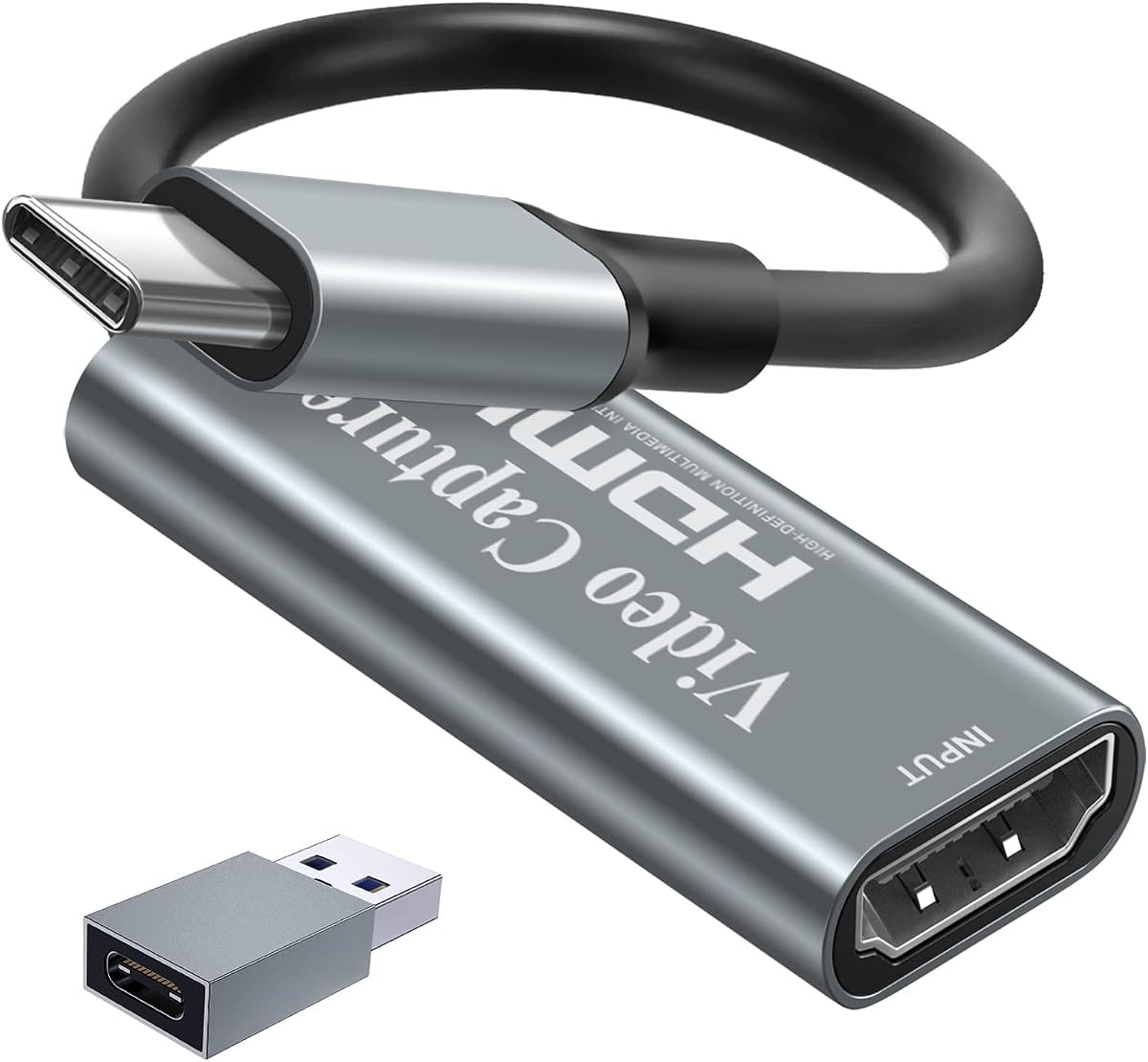
Papeaso Video Capture Card, 4K Input HDMI to USB-C, 1080P 60FPS Capture
4.2Editor score
Affordable price point
1080P 60FPS recording
Plug and play on Linux
This guide compares the best capture cards for Linux to help you stream and record gameplay or video with reliable performance and compatibility.
Finding a capture card that works seamlessly on Linux can be challenging for streamers and content creators. You need hardware that supports open-source software and offers stable drivers for smooth recording without frustrating lag or compatibility issues.
We analyzed ten top-rated capture cards based on their Linux compatibility, video quality, latency performance, and ease of setup. Our list includes options ranging from budget-friendly USB devices to premium models designed for high-end gaming and professional broadcasting workflows.
Each pick highlights key features, pros, cons, and real-world performance details to help you make an informed decision. Keep in mind that pricing and availability may change, so always check current listings before purchasing your next capture solution.
4.2Editor score

4.5Editor score

4.2Editor score
This side-by-side comparison table helps you quickly evaluate the key specifications and features of each capture card to find the best fit for your Linux-based streaming setup.







The acer USB 3.0 HDMI Capture Card stands out as a reliable entry-level option for Linux users seeking straightforward video capture. With a strong user rating and clear specifications, it delivers smooth 1080P 60Hz recording while maintaining compatibility with popular open-source streaming tools.
We may earn a commission when you buy through this link, at no additional cost to you.
Its standout feature is the ability to handle 4K input while outputting crisp 1080P at 60Hz, ensuring your streams remain fluid and professional. The included mic-in port allows you to connect a headset directly, eliminating the need for extra adapters and keeping your setup clean and functional for live commentary.
While this capture card offers impressive performance for its price, it lacks bundled software, meaning you will need to rely on third-party applications like OBS Studio. The build quality is adequate but basic, which may not appeal to users who prioritize rugged durability over portability and affordability.
This card is ideal for budget-conscious streamers and content creators who need a dependable device for gaming or online classes without compromising on resolution. If you value ease of use and direct microphone support, the acer card provides a solid foundation for your Linux streaming setup.
Connect your headset directly to the card for synchronized audio and video without needing external mixers.
Simply plug the card into a USB 3.0 port and start capturing instantly without installing additional software.
We may earn a commission when you buy through this link, at no additional cost to you.
The UGREEN 4K@30Hz Loop Out HDMI Capture Card offers a balanced mix of resolution and flexibility for Linux-based streaming setups. Users appreciate its ability to support 4K input while providing a 4K loop-out for real-time monitoring, ensuring your gameplay remains responsive during broadcasts.
We may earn a commission when you buy through this link, at no additional cost to you.
Key strengths include its dual USB-A and USB-C interfaces, which adapt easily to various host devices, and its support for both MJPEG and YUY2 formats to optimize clarity. The sturdy aluminum casing helps dissipate heat effectively, maintaining stable performance during long recording sessions without overheating concerns.
However, users must remember to disable HDCP on consoles like PS5 or Xbox to avoid signal issues, and Fire TV Stick is explicitly unsupported. These minor limitations are acceptable given the card's strong performance, but they require setup adjustments that new users might find slightly cumbersome initially.
This capture card is perfect for creators who need high-resolution input and direct monitoring without adding extra hardware. Its broad compatibility with Linux and Android systems makes it a versatile choice for diverse streaming environments, whether you are broadcasting from a PC or a tablet.
Choose between USB-A or USB-C ports to match your laptop or desktop's available inputs for maximum flexibility.
Use the loop-out port to preview your stream on a monitor without latency while capturing the signal.
We may earn a commission when you buy through this link, at no additional cost to you.
The Guermok Video Capture Card delivers exceptional speed and clarity for Linux users prioritizing fast frame rates and smooth gameplay streaming. It supports up to 1080P at 60FPS, ensuring fluid motion capture that is crucial for competitive gaming and detailed video reviews.
We may earn a commission when you buy through this link, at no additional cost to you.
Its standout features include ultra-low latency design and an aluminum alloy casing that promotes effective heat dissipation during prolonged use. The included USB 3.0 to USB-C adapter ensures you can connect to modern devices seamlessly, and software compatibility spans from OBS to Zoom for versatile content creation.
Despite its strengths, the card only supports one-way transmission, meaning you cannot send video from your computer to another display via USB-C. Additionally, using USB 2.0 ports may cause signal loss, so ensuring a proper connection is vital to maintain the advertised resolution and performance levels.
This card is ideal for gamers and educators who need reliable, high-quality streaming without compromising on portability. Its focus on speed and thermal management makes it a robust choice for Linux environments where stability and consistent frame rates are paramount for professional results.
The aluminum casing prevents overheating, ensuring stable 60FPS performance during extended gaming or recording sessions.
Get a USB 3.0 to USB-C adapter in the package to connect easily to modern laptops and tablets.
We may earn a commission when you buy through this link, at no additional cost to you.
The Newhope USB 3.0 HDMI Capture Card is designed for simplicity and efficiency, offering clear 1080P 60FPS capture with reliable 4K pass-through capabilities. It allows Linux users to maintain full-quality video output while recording gameplay or educational content simultaneously without additional lag.
We may earn a commission when you buy through this link, at no additional cost to you.
Key strengths include the real-time HDMI loop-out port for instant preview and the built-in microphone input for direct commentary. This eliminates the need for separate audio interfaces, making it easier to stream interactive sessions or live classes with synchronized audio and video streams.
However, the microphone input accepts only 3.5mm TRS standard headsets, which may not support all high-end gaming headsets with complex connectors. While the card works well for general streaming, users seeking advanced audio features might find these limitations restrictive compared to higher-end professional models.
This capture card is best suited for casual streamers and teachers who need a straightforward plug-and-play solution. Its compatibility with Linux and support for various HDMI sources like DSLR cameras ensure it fits well into diverse content creation workflows without technical complexity.
Connect a standard 3.5mm microphone directly to the card for commentary without needing extra audio adapters.
Skip driver installation and start recording instantly by connecting the card to a USB 3.0 port.
We may earn a commission when you buy through this link, at no additional cost to you.
The Capture Card 4K HDMI Video Streaming is engineered for content creators who prioritize portability and reliable 1080P 60FPS performance. Linux users appreciate its plug-and-play design which simplifies setup, ensuring you can start capturing high-quality video immediately without complex configuration steps.
We may earn a commission when you buy through this link, at no additional cost to you.
Its standout quality lies in the low-latency performance that keeps streaming smooth for competitive gaming or live broadcasts. The compact design allows you to carry it effortlessly in your bag, making it a practical choice for LAN parties or on-the-go content creation sessions.
While it offers excellent value, the device lacks external power input options and uses basic build materials which may limit long-term durability under heavy use. These trade-offs are generally acceptable for budget buyers, but professional setups might require more robust hardware for continuous operation.
This card is perfect for creators who need a reliable tool for streaming from various HDMI devices like consoles and cameras. Its compatibility with OBS and other platforms ensures it integrates smoothly into your Linux workflow, providing professional-quality results without a high price tag.
The lightweight and compact form factor makes it easy to transport between different streaming locations or events.
Simply plug the card into your Linux machine and start recording or streaming instantly without software installation.
We may earn a commission when you buy through this link, at no additional cost to you.
The UGREEN 2K@30Hz 1080P 60FPS Video Capture Card earns its top rating for its exceptional compatibility with Linux systems and robust performance. With a 4K input and 2K output, it offers a perfect balance between high-resolution capture and smooth playback for diverse streaming needs.
We may earn a commission when you buy through this link, at no additional cost to you.
Key strengths include its high-speed USB 3.0 transfer rates that ensure low latency and stable data flow even during intense gaming sessions. The aluminum casing provides effective heat dissipation, maintaining consistent performance, while the dual USB-A and USB-C ports adapt easily to various laptops and desktops.
However, users must remember to disable HDCP on consoles to avoid signal issues, and there is no dedicated audio pass-through for external audio processing. These minor limitations are manageable given the card's strong video performance and reliable support across Linux and mobile devices.
This capture card is highly recommended for streamers and creators seeking a versatile tool for high-quality recording on Linux. Its balance of resolution, durability, and plug-and-play simplicity makes it an ideal choice for both beginners and experienced users building a reliable streaming setup.
The aluminum casing helps dissipate heat efficiently, ensuring stable performance during long recording sessions without throttling.
Compatible with Linux, tablets, and smartphones, this card adapts to your preferred streaming device seamlessly.
We may earn a commission when you buy through this link, at no additional cost to you.
The 4K HDMI Capture Card delivers smooth 1080P 60FPS recording while accepting high-resolution inputs up to 4K 60Hz for versatile content creation. Linux users benefit from its plug-and-play nature and extensive compatibility with gaming consoles and cameras for diverse streaming applications.
We may earn a commission when you buy through this link, at no additional cost to you.
Its standout features include both microphone input and headphone output for real-time audio monitoring, allowing precise sound control during live sessions. The 18-month warranty and responsive support provide peace of mind for buyers seeking a dependable device for long-term use in demanding environments.
While it offers impressive input resolution, the output is limited to 2K at 30Hz, which might not fully utilize all high-end displays. Additionally, the lack of bundled software means you will need to rely on third-party tools like OBS Studio for streaming and recording tasks.
This card is ideal for gamers and educators who need reliable audio and video synchronization without extra hardware. Its robust build and broad platform support make it a solid choice for Linux setups requiring consistent performance and professional monitoring capabilities.
Connect headphones directly to monitor audio in real-time for synchronized voice commentary and sound effects.
Accepts up to 4K 60Hz inputs for future-proofing your setup against newer gaming consoles and cameras.
We may earn a commission when you buy through this link, at no additional cost to you.
The AVerMedia Capture Card for Streaming stands out as a premium option for those seeking HDR passthrough and ultra-low latency performance. Linux users can enjoy 1080p60 recording while maintaining 4K60 HDR quality on external displays, ensuring a high-fidelity viewing experience for live audiences.
We may earn a commission when you buy through this link, at no additional cost to you.
Key strengths include its ultra-low latency design which is crucial for competitive gaming, and the flexible format options allowing you to choose the best quality for your workflow. The setup process is simplified with a beginner-friendly streaming center tool, making it accessible even for less technical users.
However, the higher price point may be a barrier for budget-conscious buyers, and Linux tooling is less developed than on Windows or macOS systems. These trade-offs are acceptable for professionals who prioritize HDR quality and responsiveness over cost and advanced Linux-specific features.
This card is ideal for streamers who need top-tier performance and HDR support for modern consoles like PS5 and Xbox. Its ability to handle high refresh rates and low latency makes it a powerful choice for competitive gaming and high-end content creation workflows.
Maintain HDR quality on your monitor while streaming 1080p video, ensuring the best possible visual fidelity for viewers.
Experience near-instant response times for seamless gameplay streaming without noticeable delays between action and broadcast.
We may earn a commission when you buy through this link, at no additional cost to you.
The Papeaso Video Capture Card offers an excellent entry point for Linux users seeking affordable yet reliable video capture capabilities. With support for 1080P 60FPS recording and 4K inputs, it delivers solid performance that meets the needs of casual streamers and home video projects.
We may earn a commission when you buy through this link, at no additional cost to you.
Key strengths include its completely plug-and-play nature with no driver installation required, which simplifies setup significantly. The lightweight design and included USB-C adapter make it highly portable, allowing you to use it with various modern devices and laptops without bulky accessories or adapters.
However, the build quality is relatively basic and it lacks advanced audio options like separate microphone inputs which may limit professional use. Despite these minor drawbacks, the device remains a strong contender for budget buyers looking for straightforward, functional streaming solutions.
This card is perfect for beginners and casual users who need an affordable tool for streaming and recording. Its compatibility with Linux and simple operation make it a stress-free choice for those just starting their content creation journey without needing technical expertise.
Get reliable 1080P recording and 4K support at an accessible price point ideal for new content creators.
Skip complex setup steps and start recording immediately with a device that recognizes instantly on Linux.
We may earn a commission when you buy through this link, at no additional cost to you.
The AVerMedia Live Gamer Ultra S stands as the premium choice for Linux users requiring the highest video quality and advanced streaming features. With support for 4K60 HDR passthrough and variable refresh rate recording, it ensures your streams look professional and fluid across all platforms.
We may earn a commission when you buy through this link, at no additional cost to you.
Key strengths include its ability to capture 5.1-channel audio and support ultrawide inputs which are essential for modern high-end gaming setups. The robust build quality and USB 3.2 connection ensure stable data transfer, making it reliable for demanding professional streaming and editing workflows.
However, the premium price point and requirement for USB 3.2 ports may limit its accessibility for casual users or older systems. These requirements are acceptable for serious creators who need maximum performance and advanced features that justify the higher cost and specific hardware needs.
This card is ideal for professional streamers and content creators who demand top-tier resolution and audio quality. Its advanced capabilities and reliable performance make it a powerful tool for building a high-end streaming setup that stands out to audiences and editors alike.
Capture variable refresh rate content up to 1440p60 or 1080p240 for smooth, glitch-free video editing and streaming.
Record immersive surround sound audio directly through the card for professional-quality audio tracks in your streams.
We may earn a commission when you buy through this link, at no additional cost to you.
Choosing the right capture card for Linux requires understanding key factors like compatibility, resolution, and connectivity to ensure smooth streaming.
Ensure the capture card supports Linux systems and works with open-source software like OBS Studio without requiring proprietary drivers. Most modern USB capture cards use UVC drivers that are built into the kernel, but checking community forums for specific model support is always a good idea.
Always verify Linux compatibility in product specifications or user reviews before purchasing to avoid installation issues.
Look for cards that support at least 1080P at 60FPS for smooth gameplay recording. If you need higher quality, check if the card handles 4K input even if it outputs 1080P, as this preserves source quality for editing and playback.
Prioritize cards that match your source device's capabilities to avoid bottlenecks in your streaming workflow.
Select a card with USB 3.0 or USB-C ports to ensure sufficient bandwidth for high-resolution video without dropping frames. Some cards offer both USB-A and USB-C interfaces which provide greater flexibility depending on your computer's available ports.
USB 3.0 is essential for 1080P 60FPS recording to prevent data transfer bottlenecks during streaming.
Low latency is critical for competitive gaming and live streaming to keep gameplay responsive. Cards with USB 3.0 connections and efficient chipsets typically offer near-zero latency allowing you to monitor gameplay in real-time without noticeable lag.
Choose cards that advertise low latency or real-time monitoring for the best interactive streaming experience.
Consider if the card includes microphone inputs or audio pass-through options to simplify your audio setup. Having a dedicated mic-in port allows direct commentary without needing external audio interfaces which can streamline your streaming process significantly.
Cards with audio pass-through enable you to monitor audio directly from the console or PC easily.
Look for cards with aluminum casings or heat dissipation designs to ensure stable performance during long recording sessions. Heat buildup can cause throttling or signal loss so choosing a well-built device helps maintain consistent quality over time.
Metal casing options provide better durability and thermal stability compared to plastic alternatives.
A loop-out port allows you to connect your console or camera directly to a monitor while capturing the signal. This ensures zero latency for gameplay while capturing remains active which is essential for competitive gaming and interactive streaming.
Choose cards with HDMI loop-out ports to preserve gaming responsiveness during recording sessions.
Budget capture cards offer great value for casual streaming while premium models provide advanced features like HDR and ultrawide support. Determine your needs and choose a card that balances cost with the features you actually require for your workflow.
Invest in the card that meets your specific quality needs without overpaying for unused features.
To begin using your capture card on Linux, connect the HDMI cable from your source device to the card's input port. Then connect the USB side to your computer's USB 3.0 port ensuring you use a stable connection to prevent data loss during streaming.
Open your preferred streaming software like OBS Studio and verify the capture card is recognized in the video source settings. If needed, adjust the input resolution and frame rate to match your source device for optimal streaming quality and performance.
To extend the lifespan of your capture card avoid frequent plugging and unplugging which can loosen the ports. Store the device in a cool dry place and keep firmware updated if available to maintain optimal performance and compatibility with new systems.
Yes OBS Studio supports USB capture cards on Linux through UVC drivers which are typically built into the kernel. Most modern capture cards work out of the box without requiring additional drivers or software installation for basic streaming functionality.
1080P 60FPS provides smooth high-definition streaming suitable for most platforms while 4K capture offers higher resolution for detailed editing. Most budget cards support 1080P recording but may accept 4K input for future-proofing your setup without needing immediate upgrades.
Most USB capture cards for Linux work via UVC drivers built into the kernel so no separate installation is required. However some specialized models may require specific drivers for advanced features so always check product specifications before purchasing.
Ensure your source device audio output is connected properly and that OBS is set to capture the correct audio device. You may need to restart your software or adjust ALSA settings to properly route audio through the capture card on Linux systems.
Yes you can use a capture card with PS5 on Linux but you must disable HDCP on the console to allow signal transmission. Most capture cards work with PS5 once HDCP is turned off in the console settings for unrestricted video output.
A loop-out port allows you to send the video signal from the card back to a monitor for zero-latency monitoring. This ensures your gameplay remains responsive while capturing or streaming simultaneously without any noticeable delay or lag.
USB 2.0 ports may cause frame drops or signal loss during high-resolution recording so USB 3.0 is recommended for reliable performance. If your computer only has USB 2.0 you may experience limitations in resolution or frame rate during streaming sessions.
Firmware updates may require using manufacturer tools on Windows but some cards update automatically through connected apps. Check the product support page for Linux-specific tools or contact manufacturer support to ensure compatibility with your current Linux setup.
Our top picks include the UGREEN 2K@30Hz card for overall value the Papeaso card for budget shoppers and the AVerMedia Live Gamer Ultra S for premium streaming features. Each of these options delivers reliable performance and Linux compatibility to meet different content creation needs.
When choosing prioritize factors like resolution frame rate and connectivity to ensure your capture card meets your specific streaming requirements. Balancing budget with performance will help you build a reliable setup that provides professional-quality results for your audience.
Remember to check current availability and specifications before purchasing as features and support can change over time. We hope this guide helps you find the perfect capture card to elevate your Linux streaming and recording experience to new heights.