
Audio Compressor Dual-Channel Black
4.7Editor score
Dual channel precision control
Overeasy compression technology
XLR and TRS inputs
Discover the top hardware compressors for home studios in 2026. This guide compares ten essential units for vocals, mixing, and mastering with expert insights.
Finding the right hardware compressor for your home studio can transform your mixes from amateur to professional. These devices control dynamic range, add warmth, and ensure every element sits perfectly in the mix without digital artifacts.
We have carefully selected ten units ranging from budget-friendly options to high-end masterpieces. Each product was evaluated based on sound quality, build durability, feature sets, and value for money in a modern home studio environment.
Each pick below highlights key strengths and potential limitations to help you make an informed decision. Remember that prices fluctuate frequently, so always check current listings before finalizing your purchase to ensure you get the best deal available.
4.7Editor score

4.6Editor score

4.1Editor score
This table provides a side-by-side overview of all ten selected compressors. Use it to quickly compare key specifications and decide which unit fits your specific studio needs and budget constraints.


The dbx 266xs stands out as a reliable workhorse for home studios needing dynamic control. With a high rating from users, it delivers smooth leveling and gating that enhances vocals and instruments without sounding processed.
We may earn a commission when you buy through this link, at no additional cost to you.
Its standout quality lies in the separate precision LED displays that allow quick setup for gain reduction and thresholds. The program adaptive expander ensures smooth release characteristics making it ideal for tightening drums or fattening guitar tones.
While it lacks advanced stereo linking found in higher-end models, the single channel design keeps costs low and operation simple. The sidechain insert is a crucial feature for ducking bass without needing external plugins.
This unit is perfect for producers who want classic dynamics processing without the steep learning curve. It balances price and performance effectively making it a top choice for building a versatile rack system.
Separate displays for gain and gate thresholds make setup intuitive even for users without prior engineering experience.
The insert allows external control for frequency ducking which is essential for modern vocal mixes with backing music.
We may earn a commission when you buy through this link, at no additional cost to you.
This dual-channel compressor offers an incredible entry point into hardware processing. Users praise its smooth transition into gain reduction which prevents the pumping effect common in cheaper units.
We may earn a commission when you buy through this link, at no additional cost to you.
It features Overeasy compression and automatic attack release settings that take the guesswork out of dynamics. The classic VCA circuitry ensures vocals sit at the front of the mix with rich natural tone.
While it may lack the premium build of more expensive gear the connectivity is solid with balanced inputs and outputs. The noise gate function helps reduce ambient noise during silent sections of your recording.
Ideal for streamers and home producers needing two channels at a low price this unit delivers studio-grade results. It is a fantastic way to experience hardware compression without breaking the bank.
This compression style allows a smoother transition into limiting making it sound more natural to the human ear.
XLR and TRS inputs ensure you can connect both microphones and line level instruments seamlessly into your signal chain.
We may earn a commission when you buy through this link, at no additional cost to you.
The Behringer 369 captures a legendary sound heritage modeled after the Neve 33609. It provides a rich vintage tone that adds cohesive glue to mixes which is hard to achieve with plugins alone.
We may earn a commission when you buy through this link, at no additional cost to you.
Developed with engineers who worked with Rupert Neve it ensures authentic sound while meeting modern needs. The dual channel flexibility allows you to switch between subtle musical compression and aggressive peak control easily.
The built-in Midas transformers are a standout feature providing warm signal handling and professional output levels. Adjustable recovery controls adapt to the input signal ensuring smooth dynamics without manual tweaking.
This unit is perfect for mastering engineers and serious producers who need a stereo bus compressor. It requires significant rack space and investment but delivers a classic sound that defines professional records.
Developed with legacy engineers this unit offers a cohesive glue that ties together individual tracks in a mix effectively.
Custom built Midas transformers ensure clean signal paths and add a subtle harmonic richness to your audio source.
We may earn a commission when you buy through this link, at no additional cost to you.
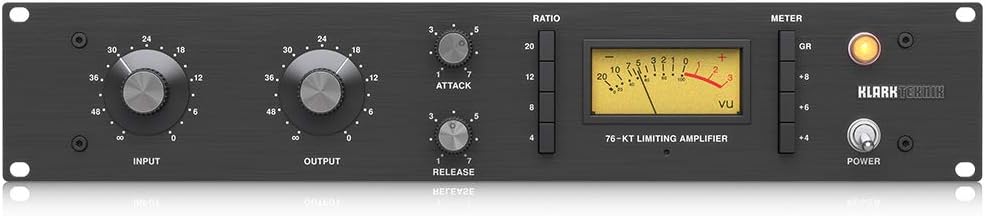
This compressor models the iconic 1176LN with distinct characteristics for modern production. It uses a completely discrete signal path which adds warmth and clarity that digital emulation often misses.
We may earn a commission when you buy through this link, at no additional cost to you.
The push button selection of compression ratios including 4:1 to 20:1 gives you immediate control over the sound texture. Class A line level amplification ensures the output remains clean even at high gain settings.
While it is limited to single channel operation the sonic character is strong enough to justify the space. It is particularly effective for bringing aggressive energy to rock tracks and punchy drum buses.
Choose this unit if you need that classic FET bite in your home studio. The combination of discrete electronics and custom transformers offers a professional sonic signature at a accessible price point.
Using completely discrete components ensures signal integrity and a natural warmth that enhances the tonal quality of sources.
Push button ratios from 4:1 to 20:1 allow instant changes to compression intensity for different song genres or styles.
We may earn a commission when you buy through this link, at no additional cost to you.
The ART Solo VLA offers exceptional versatility by allowing you to choose between tube or solid state control modes. This multi-voice capability lets you tailor the compression character to suit different instruments or genres easily.
We may earn a commission when you buy through this link, at no additional cost to you.
Its variable blend control lets you mix uncompressed and compressed signals for a parallel effect without needing extra gear. The mastering quality audio signal path ensures the highest fidelity is maintained throughout the processing chain.
Opto analog isolators provide smooth optical compression which is ideal for vocals and acoustic instruments. Users rate this unit highly for its ability to add warmth without losing the natural transient details of the source.
This is an ideal choice for vocalists or acoustic musicians seeking that tube warmth. It stands out for its flexibility in tone shaping and high quality construction that justifies its position in any serious studio.
The variable blend control allows you to mix in dry signals easily which preserves natural transients while adding density.
Switching between tube and solid state gives you two distinct sonic palettes in a single compact rack unit.
We may earn a commission when you buy through this link, at no additional cost to you.
The dbx 286s is a full featured pre-amp and channel strip processor designed for vocal and instrument optimization. It combines compression de-essing enhancer and expander in one unit to give you complete control over a single channel.
We may earn a commission when you buy through this link, at no additional cost to you.
Its classic dbx compression reduces dynamic range effectively bringing vocals to the forefront of your mix. The enhancer increases detail in high and low frequencies adding punch and shimmer that makes tracks stand out.
While it has a steeper learning curve due to the many features the loop-out option allows you to insert external processors easily. The floating balanced XLR mic input ensures clean connections for microphones and line instruments.
Choose this unit if you need a complete vocal chain in a single rack slot. It simplifies your signal path and ensures every element is polished and clear before it even reaches your interface.
The de-esser and enhancer work together to smooth out harsh sibilance and add clarity to vocal performances efficiently.
The insert loop allows you to integrate external plugins or hardware creating a hybrid workflow that suits any studio.
We may earn a commission when you buy through this link, at no additional cost to you.
Designed specifically for vocal applications this dual-channel unit enhances clarity warmth and presence. The VCA circuitry improves vocal details helping them sit smoothly at the front of the mix without sounding artificial or over-processed.
We may earn a commission when you buy through this link, at no additional cost to you.
It features precise LED indicators for gain reduction and compression levels giving you clear visual feedback during setup. The built-in noise gate helps reduce ambient or background noise ensuring cleaner audio in studio and live situations.
Sidechain inputs support frequency based ducking which is perfect for tightening bass or kick drums under vocals. Adjustable attack and release controls allow detailed dynamic shaping for modern studio production and live performance needs.
This unit is a practical choice for podcasters and vocalists who need reliable dynamics control. Its visual monitoring and straightforward layout make it easy to dial in consistent sound for any recording session.
The VCA design specifically targets frequency ranges important for voice ensuring every word cuts through the mix effectively.
LED indicators for compression and gate thresholds provide instant feedback so you can adjust levels without guessing.
We may earn a commission when you buy through this link, at no additional cost to you.
The Warm Audio WA-1B is a single channel tube optical compressor modeled after classic vintage units. It provides a smooth response that is gentle on the signal making it ideal for vocals and guitars.
We may earn a commission when you buy through this link, at no additional cost to you.
It offers a distinct tube saturation that adds harmonic richness and depth to dry recordings. The optical design ensures that the compression reacts to the signal in a musical way that preserves the natural dynamics.
While it may lack the fast response of VCA units this slower reaction is exactly what makes it special for certain styles. It excels at smoothing out levels without introducing audible artifacts or distortion into the track.
This unit is best for producers looking to add vintage character to modern recordings. If you want that warm classic tone without searching for an old expensive piece of gear this is a solid alternative.
Using an optical cell ensures the compression reacts to signal levels smoothly which maintains the natural feel of instruments.
The included tube stage adds subtle harmonic coloration that enhances the tonal quality of vocals and soft instruments.
We may earn a commission when you buy through this link, at no additional cost to you.
The ART SCL2 offers a unique combination of dual channel and linked stereo operation in one chassis. This flexibility makes it suitable for processing individual sources simultaneously or compressing stereo bus signals.
We may earn a commission when you buy through this link, at no additional cost to you.
Its precise LED level meters provide clear visual feedback for monitoring audio levels and processor status at a glance. The selectable auto or manual attack and release settings give you control over how the compressor reacts to transients.
Stereo mode includes a balance control that helps you manage the mix between left and right channels easily. Balanced XLR and TRS inputs ensure clean signal paths that maintain quality throughout the processing chain.
This unit is an excellent choice for budget conscious producers needing stereo dynamics. It balances cost and performance well making it a practical addition to any rack setup for monitoring and limiting needs.
The stereo mode balance control allows you to match the response across left and right channels for a cohesive sound.
Precise LED meters ensure you can visually confirm gain reduction levels without relying solely on headphones or monitors.
We may earn a commission when you buy through this link, at no additional cost to you.
The Warm Audio Bus-Comp is designed specifically for stereo bus applications providing the glue needed for finished tracks. It features a classic VCA design that adds punch and cohesion to your mix bus without coloring it too much.
We may earn a commission when you buy through this link, at no additional cost to you.
Its Cinemag transformers offer high quality signal handling ensuring minimal noise and distortion at high gain settings. The sidechain input filter allows you to target specific frequencies for ducking which is useful for kick and bass control.
Five compression ratios give you enough variety for different genres while maintaining a simple interface. Stereo linkage ensures both channels react identically preserving the phase relationship of your stereo image during processing.
This unit is perfect for mastering engineers or final mix down stages needing reliable dynamics. It brings the classic VCA sound to a modern price point making professional bus compression accessible for home producers.
Designed for stereo buses this unit helps glue together individual tracks creating a unified sound for the final master.
Cinemag transformers ensure the signal path is robust and low noise which preserves the clarity of your mix.
We may earn a commission when you buy through this link, at no additional cost to you.
Selecting the right compressor involves understanding how each type processes audio and fits your workflow. Use these factors to narrow down your options based on sonic goals and budget constraints.
Hardware compressors generally fall into optical FET VCA or tube categories. Optical units offer smooth and gentle dynamics ideal for vocals and acoustic instruments. FET and VCA types provide faster reaction times suitable for drums and aggressive rock tracks.
Choose a type that matches your primary source material. If you need transparency optical is best but for punch and presence VCA or FET is often the preferred choice.
Single channel units are cost effective for tracking individual instruments or vocals. Stereo or dual-channel units allow you to process pairs of signals like drums or stereo buses which ensures consistent dynamics across the stereo field.
Consider whether you need to process one source at a time or multiple sources together. Dual channel offers flexibility for complex setups but single channel suffices for focused tasks.
Transformers affect the warmth and saturation of the signal. High quality transformers like Midas or Cinemag add desirable harmonic coloration and ensure clean signal paths. Budget units might skip transformers or use cheaper alternatives which can impact tone.
If tonal coloration is a priority look for units that explicitly mention custom built transformers. This feature often justifies a higher price by delivering a professional sonic signature.
A sidechain input allows you to trigger compression based on another signal. This is essential for ducking bass when a kick drum hits or for radio style voiceovers. Units without this feature limit your ability to shape dynamics interactively.
Ensure the unit has an insert or dedicated sidechain input if you plan to do frequency ducking. This feature adds significant value for mixing live sound and studio production.
Most compressors are 1U or 2U rackmount units. Check the dimensions to ensure they fit your existing rack. Durable metal chassis is important for longevity especially if you plan to move the unit between locations frequently.
Prioritize solid construction to prevent signal noise and physical damage. A sturdy chassis ensures the internal components remain stable even after years of use.
Interfaces range from simple knobs to complex multi function displays. Units with LED meters for gain reduction help you visualize processing in real time. Automatic attack and release settings can speed up workflow for beginners.
Look for visual feedback if you are new to compression. Meters and clear controls reduce the time needed to dial in a sound during a recording session.
Prices vary widely based on brand heritage and component quality. Budget units offer functional compression but may lack the harmonic richness of premium gear. Evaluate what features you need versus what you can afford.
Focus on value rather than just lowest cost. A mid range unit with better build quality might last longer and provide better results than a cheap option.
Established brands often have proven designs and reliable customer support. Companies like dbx ART and Behringer have long histories in professional audio. Newer brands might offer innovative features but lack historical testing data.
Research user reviews and community feedback before buying. A strong reputation often correlates with consistent performance and better resale value later.
Start by setting all knobs to neutral positions before connecting any audio signal. Gradually increase the threshold until you see gain reduction on the meter. Adjust attack and release to shape the dynamics without killing the natural transient of the instrument.
Use the sidechain insert to control specific frequencies if your unit supports it. This technique helps you duck a bass guitar when a kick drum plays creating space in the low end. Always bypass the unit to compare the compressed sound with the original signal.
Clean your rack unit with a soft dry cloth and keep it in a cool dry place. Dust can accumulate on knobs and meters so inspect it regularly. Avoid extreme temperatures as tubes or sensitive electronics can be damaged by heat or humidity.
Optical compression uses a light dependent resistor to control gain which results in slower smoother reaction times ideal for vocals. VCA compression uses voltage controlled amplifiers for faster precise control that works well on drums and aggressive instruments.
Hardware units add unique analog saturation and coloration that plugins often struggle to emulate perfectly. They also provide tactile control and visual feedback which can speed up your mixing process significantly.
A sidechain insert allows you to use a different signal to trigger the compressor. This is commonly used to duck a bass track when the kick drum hits ensuring low end clarity and separation in the mix.
Yes many 1U units feature professional grade circuitry and transformers. The rack size does not limit the sound quality as long as the internal components are high quality and the design is robust.
Connect the output of your audio interface to the input of the compressor using XLR or TRS cables. Then connect the compressor output back to a return input on your interface or mixer to complete the loop.
For vocals a medium attack time around 10 to 30 milliseconds allows some transient to pass through preserving natural breathiness. This helps the vocal sound natural while still controlling the overall dynamic range.
Yes by setting a high ratio like 10:1 or higher and a low threshold you can use a compressor as a limiter. This effectively caps the peak levels of your signal to prevent digital clipping.
Check your cable connections and ensure all grounds are properly connected. If the noise persists adjust the gain structure by lowering the output level and increasing the input level to optimize the signal to noise ratio.
We reviewed ten distinct options ranging from budget friendly to professional grade units. The dbx 266xs stands out for its versatility while the Audio Compressor Dual-Channel offers great value for beginners starting their hardware journey.
Prioritize features that match your specific workflow needs like stereo linking or sidechain options. Investing in high quality transformers or tubes can significantly improve the tonal quality of your recordings over time.
Always check current pricing and stock levels as availability changes frequently. Select the unit that fits your budget while offering the sonic characteristics required to make your mixes stand out.