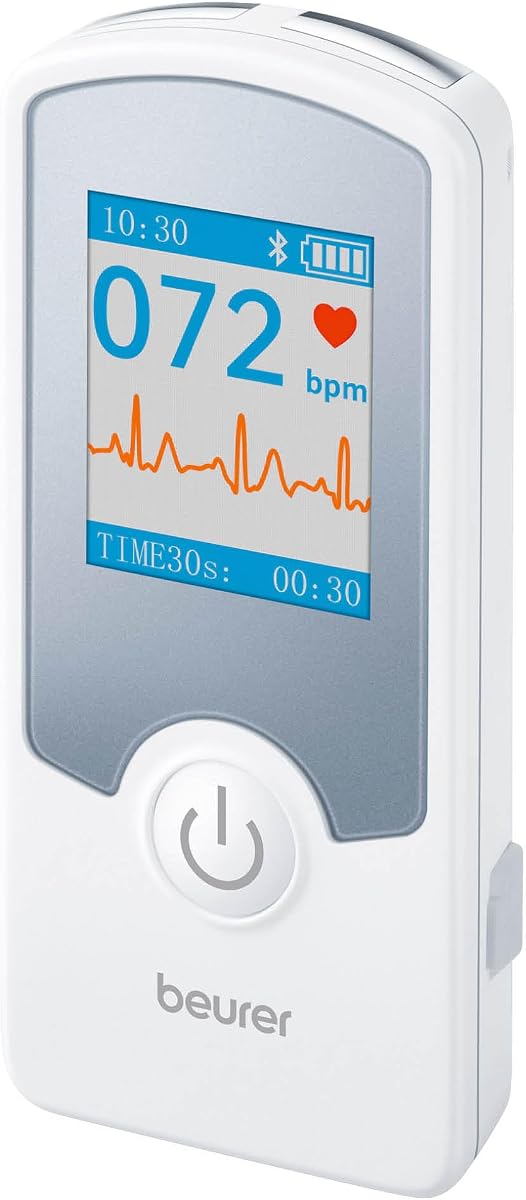
Beurer Cardio Companion EKG
4.2Editor score
German-engineered precision
Fast 30-second results
Optional Bluetooth app
This guide compares the top heart rate monitor for arrhythmia devices to help you track irregular rhythms accurately and share data with your doctor easily.
Finding the right heart rate monitor for arrhythmia is essential for tracking irregular rhythms and ensuring heart health safety. Modern devices offer medical-grade accuracy and easy data sharing with professionals.
We compared leading portable EKG monitors and continuous heart trackers based on accuracy, ease of use, and subscription requirements. Our analysis focuses on FDA-cleared options and trusted brands.
Each pick shows key features, pros, and cons to help you choose the best monitor for your needs. Prices and availability change frequently so check current listings before purchasing.
4.2Editor score

4.4Editor score

3.6Editor score
Here is a side-by-side comparison of all ten heart rate monitors for arrhythmia to help you evaluate features and choose the best device for your health tracking needs.



The KardiaMobile 6L EKG is a top-rated device for monitoring heart rhythm irregularities. With a rating of 4.4 stars it offers medical-grade six-lead EKG recording that is FDA-cleared for detecting atrial fibrillation and other conditions.
We may earn a commission when you buy through this link, at no additional cost to you.
Its standout quality is the ability to provide detailed heart data without a subscription. You can detect AFib bradycardia tachycardia and normal sinus rhythm directly on your smartphone within thirty seconds. Six leads provide more data than standard two-lead devices.
The main trade-off is that it is not tested for use with pacemakers or ICDs. This limitation is acceptable because it targets users seeking portable EKG monitoring rather than implant-compatible devices. Regular health checkups are still necessary.
Anyone needing reliable at-home heart rhythm tracking should buy this device. It is recommended by doctors and trusted by professionals worldwide. For those prioritizing accuracy and no ongoing fees it remains the best choice in this category.
Six leads offer six times more information than typical consumer monitors allowing for a more detailed view of heart activity.
You can email EKG results directly to your doctor without needing a subscription plan or additional fees.
We may earn a commission when you buy through this link, at no additional cost to you.
The KardiaMobile is a simpler version of the 6L model offering basic heart rhythm monitoring at a lower cost. It has a 4.4 rating and works without Bluetooth or Wi-Fi making it easy to use anywhere.
We may earn a commission when you buy through this link, at no additional cost to you.
It records a two-lead EKG and tells you if your rhythm is normal or atrial fibrillation in thirty seconds. The silver sensors on the device are touched with fingers or thumbs to capture data quickly.
The trade-off is that it lacks the six-lead depth of the 6L model. This is acceptable for users who only need to check for AFib occasionally. It is not a medical diagnosis tool.
This monitor is ideal for budget-conscious buyers who want a quick check without complexity. Place fingers on sensors near your phone to get results. It is a trusted brand for basic heart health awareness.
Place the device near your smartphone and touch sensors to monitor heart rhythm without pairing or cords.
We may earn a commission when you buy through this link, at no additional cost to you.
The KardiaMobile 6L Max includes a one-year KardiaCare membership that provides board-certified cardiologist reviews. It has a 3.9 rating and detects six common arrhythmias with detailed results delivered within twenty-four hours.
We may earn a commission when you buy through this link, at no additional cost to you.
Key strengths include four free EKG reviews per year and personalized insights to track trends. You can tag EKGs with context like exercising or feeling dizzy to share with your doctor.
The trade-off is that the membership is required to use the 6-lead features which adds complexity. This is acceptable if you value professional feedback. Renewal fees apply after the first year.
Buy this if you want expert analysis alongside your recordings. The telehealth appointment option adds value for consultation. It is best for users who want more than just self-analysis.
Cardiologists can detect over twenty arrhythmias and deliver results in twenty-four hours using your six-lead EKG data.
We may earn a commission when you buy through this link, at no additional cost to you.
The EMAY 6L Portable ECG Monitor offers six-channel recording and high user satisfaction with a 4.6 rating. It connects to mobile phones via Bluetooth and to PCs via USB for flexible data management.
We may earn a commission when you buy through this link, at no additional cost to you.
It records and stores ECG signals displaying heart rate for home health care use. The large-capacity rechargeable lithium battery ensures you can monitor multiple times without waiting for power.
The trade-off is that software may have a steeper learning curve than consumer apps. This is acceptable for users comfortable with PC software. It is not a substitute for hospital diagnostic devices.
This device is perfect for those who prefer desktop analysis of heart data. Use it at home or office for quick checks. It is a strong alternative for detailed monitoring without membership.
Connect via USB to PC or Bluetooth to phone for easy upload and review of ECG case data.
We may earn a commission when you buy through this link, at no additional cost to you.
The Beurer Cardio Companion EKG Monitor is a German-engineered 3-lead device that offers precision at an affordable price point. It has a 4.2 rating and measures heart rhythm in under thirty seconds with real-time results on a color display.
We may earn a commission when you buy through this link, at no additional cost to you.
You can measure hand-to-hand hand-to-wrist hand-to-leg or hand-to-chest. The optional app saves up to one hundred readings locally or unlimited ones via Bluetooth. Alerts notify you of irregular heart rates immediately.
The trade-off is that it lacks the six-lead detail of higher-end models. This is acceptable for basic irregular rhythm detection. It is not suitable for those with pacemakers or metal implants.
Buy this if you want an inexpensive entry into medical-grade monitoring. The portable design lets you check heart health anywhere. It is a reliable choice for privacy-focused home monitoring.
Choose from hand-to-hand hand-to-wrist hand-to-leg or hand-to-chest modes for flexible measurement based on your comfort.
We may earn a commission when you buy through this link, at no additional cost to you.
Bioheart provides 24/7 continuous heart monitoring unlike spot-check devices. It has a 3.6 rating and is worn as a breathable chest strap that syncs data to an app via Bluetooth.
We may earn a commission when you buy through this link, at no additional cost to you.
It is clinically accurate and trusted by over 2,500 cardiologists. The app offers real-time insights and easy sharing of PDF reports with physicians. Battery lasts up to 48 hours so you rarely miss a beat.
The trade-off is that it is a wearable requiring consistent wear and eventual subscription. This is acceptable for those needing long-term data. The initial month is included to try the service.
This monitor is ideal for continuous rhythm analysis during sleep and exercise. Use it to capture irregularities between visits. It is a groundbreaking device for proactive heart health management.
Capture every heartbeat anytime and anywhere with uninterrupted medical-grade insights for complete peace of mind.
We may earn a commission when you buy through this link, at no additional cost to you.
The HaSoCare EKG monitoring device records professional ECG data with an LCD screen for instant viewing. It has a 4.0 rating and helps detect heart health problems in time through real-time monitoring.
We may earn a commission when you buy through this link, at no additional cost to you.
Use hand-to-hand hand-to-chest or hand-to-leg modes to get a full picture of your heart status. You can transfer data to phones via Bluetooth or to computers via cable for sharing with doctors.
The trade-off is that the app may not be as robust as dedicated EKG apps. This is acceptable for users who prefer the screen. Sampling times can be set from phone or computer.
Buy this for a portable option with immediate feedback. It weighs only 60g so you can take it anywhere. It is suitable for travelers monitoring heart health on the go.
View detailed ECG data directly on the LCD screen without needing a connected device to get immediate results.
We may earn a commission when you buy through this link, at no additional cost to you.
The Garmin HRM 200 heart rate monitor transmits accurate real-time heart rate and heart rate variability data. It has a 4.3 rating and connects to compatible Garmin smartwatches fitness equipment and apps.
We may earn a commission when you buy through this link, at no additional cost to you.
The strap is machine washable and has a 3 ATM water rating for durability. Battery lasts up to one year with user-replaceable cells making it reliable for long workouts. Available in two sizes for ideal fit.
The trade-off is that it does not provide EKG analysis for arrhythmia detection. This is acceptable for fitness-focused users. It is a dependable alternative for HRV monitoring during training.
This monitor is best for active people needing HRV insights. Use it to track recovery and intensity. It is a robust choice for daily exercise sessions.
Capture precise RR interval data from heartbeat variations to gain insight into training sleep and stress levels.
We may earn a commission when you buy through this link, at no additional cost to you.
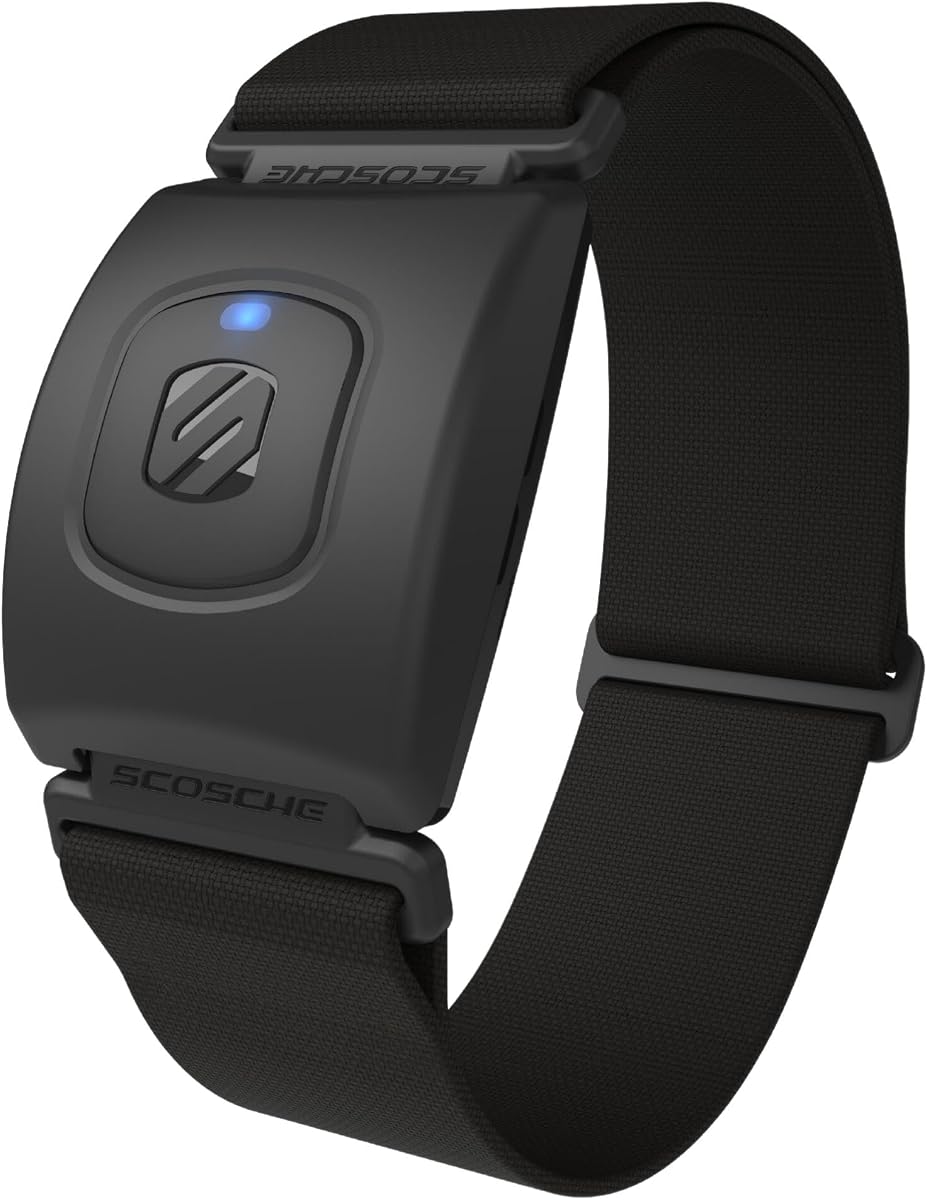
The Scosche Rhythm Heart Rate Monitor Armband delivers accurate real-time tracking via optical technology. It has a 4.1 rating and pairs via Bluetooth or ANT+ to sports watches and fitness apps.
We may earn a commission when you buy through this link, at no additional cost to you.
HRV mode captures RR interval data for recovery insights. The lightweight breathable strap adjusts to forearm bicep or tricep and stays put during intense workouts. IP68 waterproof rating handles sweat and rain.
The trade-off is that it is not an EKG device for medical arrhythmia diagnosis. This is acceptable for fitness tracking. It is a dependable alternative to restrictive chest straps.
This monitor is ideal for runners and cyclists needing reliable HR data. Use it to monitor workout intensity. It is a practical choice for gym and outdoor sessions.
Pair with ANT+ or Bluetooth devices for stable connections throughout your training without interruptions.
We may earn a commission when you buy through this link, at no additional cost to you.
The Polar Ft1 Heart Rate Monitor shows heart rate on a large easy-to-read display. It has a 4.0 rating and helps improve fitness with manual heart rate target zone features.
We may earn a commission when you buy through this link, at no additional cost to you.
It displays a summary of your latest workout and uses coded heart rate transmission to avoid cross-talk from other monitors. One-button start makes operation simple. Includes Polar T31 coded transmitter chest strap.
The trade-off is that it lacks modern app connectivity and advanced EKG features. This is acceptable for straightforward fitness monitoring. Use it to safely exercise within your target zone.
Buy this if you want simple heart rate tracking. The strap fits up to 8.5 inches. It is a reliable choice for basic heart rate monitoring.
Display heart rate on large and easy-to-read display to safely exercise within your target zone.
We may earn a commission when you buy through this link, at no additional cost to you.
Selecting the right heart rate monitor for arrhythmia requires understanding key features that impact accuracy and usability. This guide outlines the factors to consider.
Look for devices that are FDA-cleared or medically reviewed for detecting irregular rhythms. Accuracy is crucial when monitoring arrhythmia to ensure your doctor receives reliable data.
Prioritize EKG or ECG devices over optical monitors for medical insights.
Six-lead EKGs provide more detailed data than two or three-lead options. More leads help detect a wider variety of arrhythmias and reduce false readings.
Choose six-lead if you need comprehensive data for your physician.
Some devices require monthly or yearly memberships to access full features like cloud storage or doctor reviews. Others offer unlimited recordings without fees.
Check long-term costs before buying to avoid surprise charges.
Ensure the device connects to your smartphone via Bluetooth or Wi-Fi. Compatibility with iOS and Android matters for seamless app integration.
Devices with app support allow better data management and sharing.
Rechargeable batteries should last for multiple uses. Continuous monitors need long battery life to track 24/7 heart rhythms effectively.
Short battery life may interrupt critical monitoring sessions.
If choosing a wearable chest strap or armband ensure it is breathable and comfortable. Continuous monitoring requires a device you can wear for long periods.
Comfortable straps reduce skin irritation during exercise or sleep.
Devices should allow easy sharing of reports via email or PDF. Your doctor needs quick access to your heart rhythm data during consultations.
Automatic email syncing saves time and reduces manual errors.
If you have a pacemaker or ICD check device specifications carefully. Many EKG monitors are not recommended for use with implanted cardiac devices.
Consult your doctor before using portable monitors with implants.
To start using your portable EKG monitor ensure your skin is clean and dry. Touch electrodes with fingers or secure the chest strap firmly for accurate signal capture.
For continuous monitors wear the strap comfortably and allow it to sync with the app. Charge the battery regularly to ensure uninterrupted tracking during workouts.
After use clean the device with a damp cloth and store it in a protective case. Avoid exposing it to extreme temperatures or moisture that could damage sensors.
Yes FDA-cleared portable EKG monitors can detect common arrhythmias like atrial fibrillation accurately. They record electrical signals similar to hospital EKGs for reliable rhythm analysis.
Some devices require subscriptions for full features like unlimited storage or cardiologist reviews. Others offer unlimited recordings without monthly fees. Check model specs before buying.
Most portable EKG devices are not tested for use with pacemakers or ICDs. Consult your cardiologist before using these monitors if you have an implanted device.
Most portable EKGs provide rhythm analysis within 30 seconds. Continuous monitors sync data in real-time via Bluetooth to your smartphone app.
Yes most devices allow email sharing of PDF reports or app syncing. This enables your doctor to review your heart rhythm data remotely or during visits.
Six-lead EKGs provide more detailed data and detect more arrhythmias than two-lead versions. More leads offer a broader view of heart electrical activity.
Frequency depends on your health condition. Some doctors recommend daily checks while others suggest periodic monitoring. Follow your healthcare provider's advice.
Optical monitors track heart rate well but may not detect arrhythmia as accurately as EKG devices. EKG technology is preferred for clinical rhythm analysis.
The KardiaMobile 6L EKG leads the category with six-lead accuracy and no subscription. Beurer Cardio offers budget-friendly EKG monitoring for occasional checks.
Prioritize medical clearance and subscription requirements when selecting a device. Ensure the monitor connects to your smartphone for easy data management.
Prices and availability change frequently so check current listings before purchasing. Consult your doctor before relying on portable monitors for medical diagnosis.