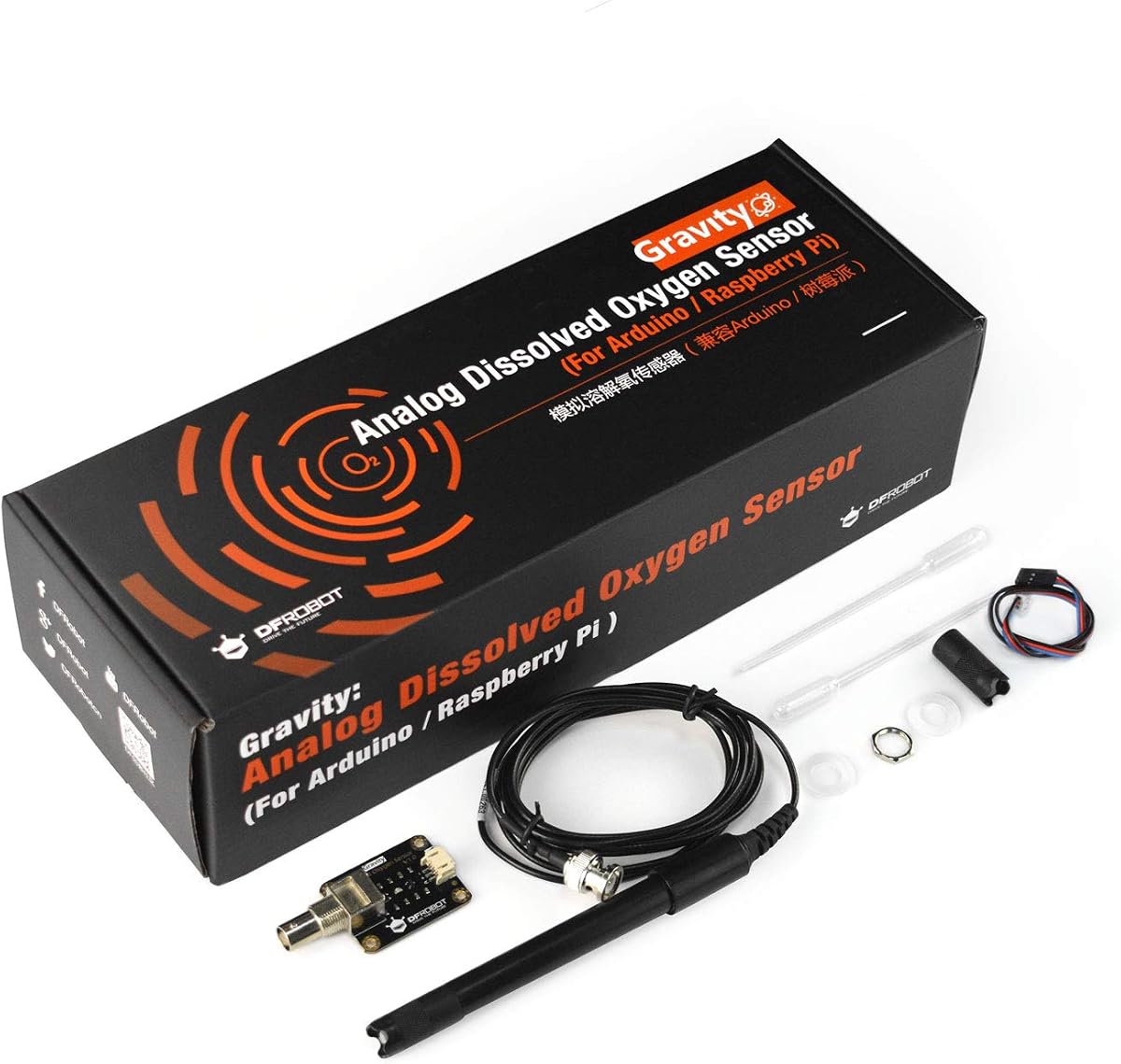
Gravity: Analog Dissolved Oxygen Sensor Kit
4.4Editor score
No polarization needed for instant reading
Hardware filtering for stable signal
Compatible with Arduino and ESP32
This guide compares the top ten dissolved oxygen sensors 2 for aquaculture and labs, analyzing specs, ease of use, and reliability for accurate water testing.
Selecting the right dissolved oxygen sensor is critical for maintaining healthy water conditions in aquaculture, laboratories, and environmental monitoring projects. A good sensor provides accurate, stable readings without requiring excessive maintenance or calibration time.
We evaluated ten leading models based on their technology type, calibration features, build durability, and compatibility with various monitoring systems. Each product was analyzed for its ability to deliver consistent results across different water environments.
Each pick highlights key strengths and ideal use cases to help you match a sensor to your specific needs. Keep in mind that product availability and pricing can shift frequently, so check current listings before purchasing.
4.4Editor score

4.8Editor score

4.5Editor score
This side-by-side comparison breaks down the technical specifications and key attributes of all ten selected dissolved oxygen sensors to help you find the right fit for your water quality monitoring needs.



This Gravity sensor kit stands out as an excellent entry point for makers and researchers needing reliable dissolved oxygen data without complex setup. It holds a strong community reputation for stability and ease of integration with Arduino and ESP32 platforms.
We may earn a commission when you buy through this link, at no additional cost to you.
The galvanic probe eliminates the need for polarization, allowing instant readings whenever you need them. Its hardware filtering ensures the analog signal is smooth and low-jitter, reducing the load on your microcontroller's software processing capabilities.
While the package does not include the required NaOH filling solution, preparing it is straightforward with online instructions. Users must remember to source this separately, which is a minor hurdle given the overall value proposition.
Ideal for aquaculture hobbyists or IoT water quality projects, this kit balances performance with affordability. Its detailed documentation makes it accessible even to those with limited electronics experience.
The galvanic probe design means you never wait for the sensor to warm up before taking a measurement.
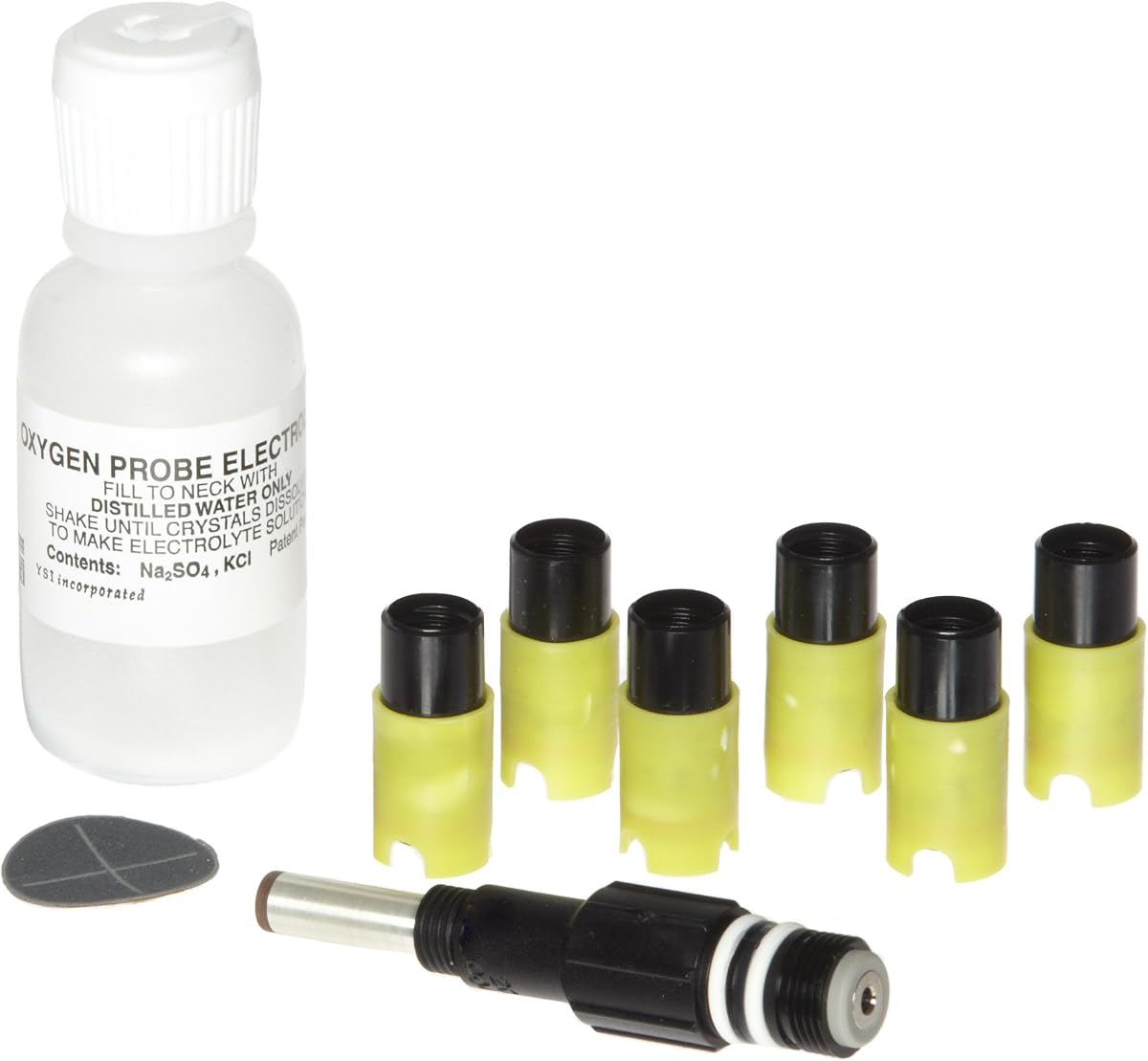
Replaceable caps and filling solutions keep long-term costs low compared to buying entirely new probes.
We may earn a commission when you buy through this link, at no additional cost to you.
The LDO sensor is designed for users who prioritize long-term reliability in demanding environments. Its construction focuses on durability and consistent performance over extended monitoring periods.
We may earn a commission when you buy through this link, at no additional cost to you.
The design emphasizes simplicity, which reduces maintenance costs and minimizes the time needed to get accurate results. This makes it a strong candidate for industrial applications where uptime is critical.
Without specific user ratings, potential buyers should verify compatibility with their existing measurement systems before purchasing. The lack of detailed specs in public listings means you may need to consult the vendor directly.
If you need a sensor for heavy-duty or environmental monitoring where stability is non-negotiable, this model is worth investigating further for its robust build and efficient operation.
Materials are selected specifically to withstand the rigors of industrial and environmental testing conditions.
User-friendly features help reduce the time operators spend on setup and routine maintenance tasks.
We may earn a commission when you buy through this link, at no additional cost to you.
This YSI polarographic sensor is a standard choice for laboratory environments where proven reliability is required. It fits into existing lab supply workflows with minimal disruption.
We may earn a commission when you buy through this link, at no additional cost to you.
The product dimensions and weight make it easy to store and transport between test stations. Users familiar with YSI equipment will find its integration straightforward and reliable.
The description focuses on packaging details rather than performance metrics, which suggests it is a replacement part or standalone unit needing specific host meters. Check your system requirements before ordering to ensure compatibility.
For labs needing a consistent replacement probe, this model offers the brand reliability YSI is known for without extra frills.
Designed to integrate seamlessly with YSI systems commonly found in professional research and testing facilities.
Small footprint and low weight simplify logistics for facilities managing multiple test sites.
We may earn a commission when you buy through this link, at no additional cost to you.
This tester offers a comprehensive package for aquarium owners and small-scale aquaculture operators. It measures dissolved oxygen, temperature, and pressure with a user-friendly interface.
We may earn a commission when you buy through this link, at no additional cost to you.
The inclusion of a carrying case and extra membranes makes it ready to use right out of the box. Auto temperature compensation ensures accurate results even when water temperatures fluctuate.
While the cable length is generous, some users may find the battery life moderate compared to newer models. The IRDA port adds utility for data transfer if supported by your computer.
For hobbyists needing a portable, all-in-one solution, this kit provides the necessary tools without requiring separate purchases for membranes or storage cases.
Beyond dissolved oxygen, the meter tracks temperature and pressure for more accurate water quality assessment.
The package includes essential consumables and a case so you can start testing your tank immediately.
We may earn a commission when you buy through this link, at no additional cost to you.
The YSI 605202 leads our list due to its exceptional ease of maintenance and strong community approval. Its galvanic design ensures stable performance without complex calibration routines.
We may earn a commission when you buy through this link, at no additional cost to you.
Users appreciate the screw-on cap system, which simplifies membrane changes significantly. This feature alone saves time and frustration during routine upkeep in busy aquaculture facilities.
Because it requires a compatible YSI meter, this sensor is best for those already invested in the ecosystem. However, for dedicated professionals, the reliability and longevity justify the investment.
We recommend this sensor for anyone prioritizing long-term stability and minimal downtime in their oxygen monitoring setup.
The screw-on cap system allows you to replace membranes quickly without needing any extra tools or parts.
Galvanic technology ensures the sensor provides stable readings without the need for frequent re-polarization.
We may earn a commission when you buy through this link, at no additional cost to you.
This Zopsc tester brings modern convenience to water testing by allowing you to monitor data directly through your phone. It is ideal for quick field checks or monitoring large tanks remotely.
We may earn a commission when you buy through this link, at no additional cost to you.
The device is fully sealed and floats on the surface, protecting it from accidental submersion issues. This makes it particularly useful for pond or large aquarium monitoring where placement matters.
While the five-day battery life is impressive, users must ensure their device supports the app interface for full functionality. The broad language support makes it accessible to international users.
For tech-savvy aquarists who want real-time data on their phone, this pack offers a smart, user-friendly alternative to traditional handheld meters.
Pair the device wirelessly with your smartphone to view and export water quality metrics without cables.
The sealed ABS housing allows the unit to float on water surfaces, preventing accidental damage from sinking.
We may earn a commission when you buy through this link, at no additional cost to you.
This kit represents a premium choice for professionals needing precise, portable dissolved oxygen measurements. The YSI EcoSense system is renowned for its accuracy and ease of field use.
We may earn a commission when you buy through this link, at no additional cost to you.
The automatic temperature compensation ensures readings remain accurate even in varying water temperatures. Its high resolution allows you to detect subtle changes that might affect aquatic health.
While the price is higher than hobby options, the build quality and accuracy justify the cost for serious applications. The included batteries and carrying kit make it ready for immediate deployment.
We recommend this kit for commercial aquaculture, environmental research, or any situation where reliable, high-precision data is essential.
With a resolution of 0.01 ppm, this meter detects small changes in oxygen levels accurately.
The portable design and included battery make it perfect for testing in remote or mobile locations.
We may earn a commission when you buy through this link, at no additional cost to you.
This optical sensor leverages modern optical technology for stable dissolved oxygen readings. It is specifically designed to work with YSI's ProDSS multi-parameter systems.
We may earn a commission when you buy through this link, at no additional cost to you.
Optical sensors generally require less maintenance than polarographic types since they do not need membranes or electrolytes. This makes them a long-term reliable choice for continuous monitoring.
Because it is an individual unit, it is best suited for users upgrading existing ProDSS kits or expanding their sensor array. Ensure your system supports optical ODO sensors before purchasing.
For researchers or facilities invested in the YSI ecosystem, this sensor offers a robust, high-tech solution for dissolved oxygen monitoring.
Optical sensing eliminates the need for frequent membrane changes, reducing maintenance requirements significantly.
Designed specifically to integrate with YSI ProDSS platforms for seamless data collection and management.
We may earn a commission when you buy through this link, at no additional cost to you.
This DAN&DRE meter simplifies calibration with automatic buttons for zero and one hundred percent points. It is designed for users who want reliable readings without manual calibration hassle.
We may earn a commission when you buy through this link, at no additional cost to you.
The intelligent temperature compensation ensures readings remain consistent across a range of water temperatures. Its modular design means you can replace just the electrode if it wears out, saving money.
The fast response time allows for quick checks, which is useful when testing multiple tanks or samples. However, being a newer brand, users should verify vendor support and warranty details.
For aquaculture and home aquariums needing quick and accurate checks, this meter offers strong value with its smart calibration features.
One-touch buttons for calibration points reduce the time needed to set up accurate measurements.
The split design allows you to replace only the sensor part, extending the meter's overall life.
We may earn a commission when you buy through this link, at no additional cost to you.
This complete starter kit includes essential calibration materials to help you get started immediately. Its auto temperature compensation and wide range make it versatile for various water conditions.
We may earn a commission when you buy through this link, at no additional cost to you.
The inclusion of filling fluid, calibration powder, and spare caps means you do not need to source accessories separately. This convenience is a major plus for first-time buyers.
The automatic shutdown function helps preserve battery life during intermittent use. While the brand is newer, the feature set is competitive with established models.
If you need a ready-to-use kit with minimal additional purchases, this option delivers strong value for beginners and home users.
The package includes calibration powder, filling fluid, and spare caps so you can begin testing immediately.
A range of zero to forty milligrams per liter covers most freshwater and aquaculture testing needs.
We may earn a commission when you buy through this link, at no additional cost to you.
Choosing a dissolved oxygen sensor requires balancing accuracy, maintenance needs, and your specific monitoring environment.
Different sensors use galvanic, polarographic, or optical technologies. Galvanic sensors require no polarization, while polarographic ones need pre-warming. Optical sensors avoid membrane changes but require a compatible host system.
Choose galvanic for simple maintenance, polarographic for cost savings, or optical for continuous monitoring where durability is paramount.
Some sensors offer automatic calibration, which simplifies setup and ensures accurate results. Others require manual two-point calibration using specific solutions and powders.
Prioritize automatic calibration if you value ease of use and consistent accuracy without manual intervention.
Fast response times allow you to get readings quickly, which is crucial for large tanks. Ensure the sensor covers your expected dissolved oxygen range, typically up to 20mg/L for most applications.
Look for a response time under one minute if you need quick checks or dynamic monitoring.
Consider whether you need wired analog outputs or wireless connectivity for smartphone apps. Integration with microcontrollers or professional meters depends on your system architecture.
Select a sensor compatible with your existing setup to avoid expensive hardware changes.
Sensors with replaceable membranes and filling solutions extend life and lower costs. Check how often membranes need replacing and whether tools are required.
Invest in models with tool-free replacements to keep operational downtime to a minimum.
Accurate dissolved oxygen readings depend on temperature correction. Look for sensors with built-in auto temperature compensation to avoid manual calculation.
Ensure the compensation range covers your typical operating conditions for best results.
Established brands like YSI offer proven reliability and better documentation. Newer brands may offer lower prices but vary in community support and warranty terms.
Check for available manuals, support channels, and warranty length before making a decision.
If your device is portable, check the battery life and type. Some sensors run on standard batteries, while others may need specific packs.
Choose models with efficient power management or replaceable batteries for continuous monitoring.
Begin by calibrating your sensor using the recommended solutions or powder. Follow the manufacturer's steps for zero and saturation points to ensure accuracy.
Rinse the probe with clean water before and after each measurement to prevent cross-contamination. Store the probe in the appropriate solution to keep the membrane hydrated.
Replace membranes and filling fluid according to the schedule provided. Regular maintenance extends the sensor's life and keeps readings reliable over time.
Replacement frequency depends on usage intensity and water conditions. Typically, replace the membrane every few weeks to a month if you are in continuous use. If you notice slow response or erratic readings, check for membrane wear or clogging.
Instability often comes from air bubbles on the membrane, old filling fluid, or temperature fluctuations. Ensure the sensor is fully submerged and the probe is clean. Recalibrate if the issue persists after checking the membrane.
If your sensor has automatic calibration, frequent checks are not always needed. However, for critical applications, recalibrating weekly is a good practice to maintain accuracy. For less critical checks, monthly calibration may suffice.
Galvanic sensors generate their own current and require no external polarization. Polarographic sensors need a voltage applied to function, which means they need a pre-warming period. Galvanic is more convenient for intermittent use.
Most sensors can measure dissolved oxygen in saltwater, but you must account for salinity in your readings. Some meters allow manual salinity compensation. Ensure the membrane and solution are compatible with saline environments.
Store the sensor in the recommended solution or in the provided storage cap. Never leave the probe dry, as this will damage the membrane. If using a galvanic sensor, keep it dry and clean unless otherwise specified.
Yes, dissolved oxygen levels change significantly with temperature. Without auto compensation, your readings may be off, leading to poor water management decisions. Most modern sensors include this feature to simplify accurate monitoring.
Check if the filling solution is present and the membrane is properly seated. Ensure the electrode is not dried out. Try recalibrating the device and verify your power source or connection before assuming a hardware failure.
We found that the Gravity Analog kit is ideal for budget-conscious makers, while YSI models excel in professional lab and aquaculture settings. Each sensor brings unique strengths suited to different monitoring needs.
Prioritize sensors with automatic calibration and easy maintenance features to save time and reduce long-term costs. Ensure the connectivity matches your setup for smooth data collection.
Always check current prices and availability before purchasing, as listings can change quickly. With the right choice, you can maintain healthy water quality confidently and efficiently.